
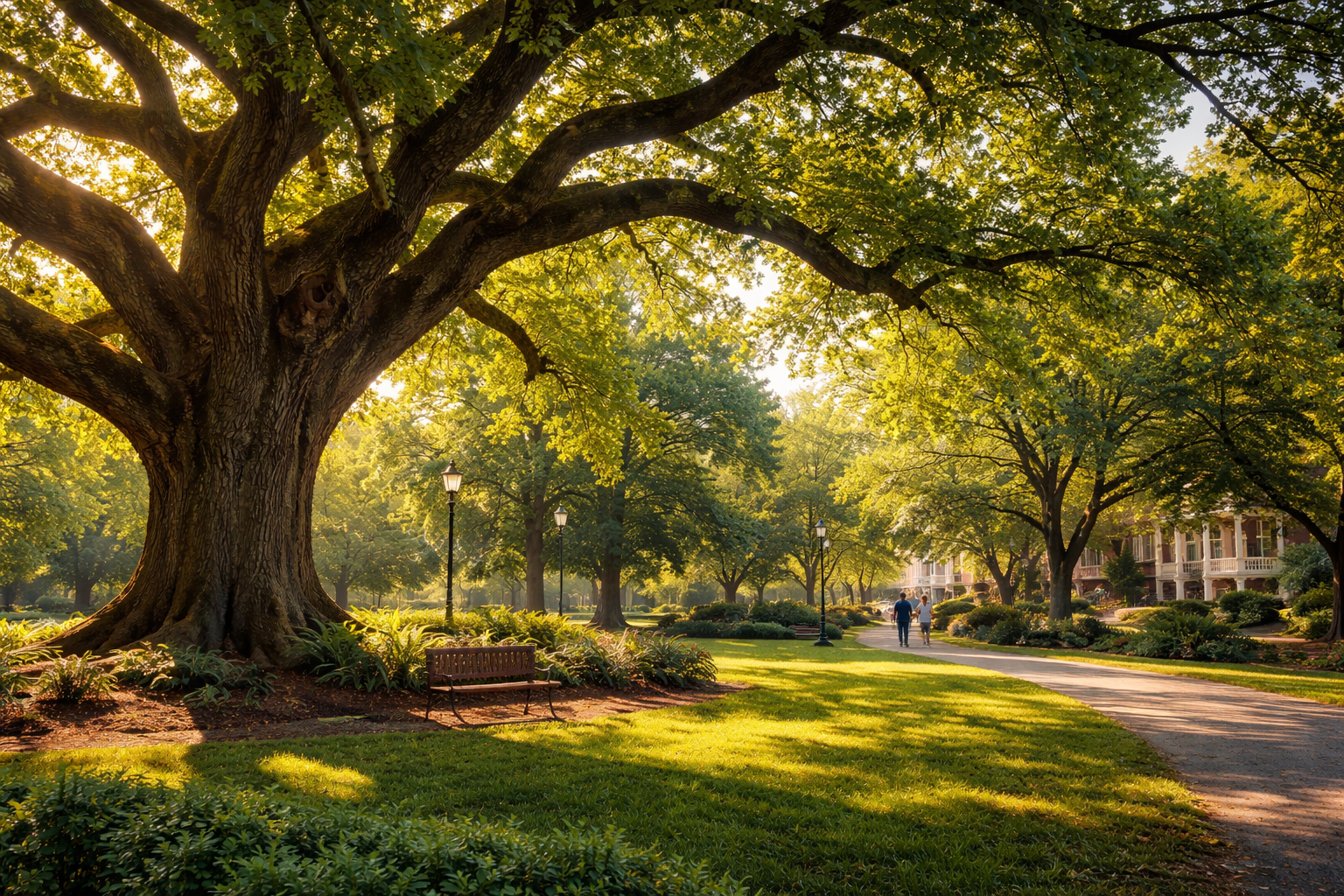
Understanding Richmond’s heritage trees is important for residents who want to protect the city’s natural character while making informed property decisions. These trees are deeply connected to Richmond’s history, environment, and community identity.
While many people only think about trees when services such as tree removal in Forest Hill, VA are required, heritage trees demand greater awareness due to their protected status and long term value.
The problem is that many property owners are unaware of what qualifies as a heritage tree or why these trees are treated differently. This lack of clarity can lead to accidental damage, legal issues, or conflict during development and landscaping projects.
Understanding Richmond’s heritage trees helps residents avoid these challenges and recognize the role these trees play in shaping the city.
This blog explains what heritage trees are, why they matter, how they are protected in Richmond, and how residents can support preservation efforts responsibly.
What Are Heritage Trees and Why They Matter in Richmond
Heritage trees are trees recognized for their age, size, species, or cultural significance. In Richmond, these trees are often older, well established, and deeply rooted in the city’s landscape.
They matter because they provide benefits that extend far beyond appearance, including:
- Long term environmental stability
- Wildlife habitat support
- Shade and temperature regulation
- Soil and water conservation
Many Richmond heritage trees are native trees in Richmond Virginia, which makes them especially valuable for maintaining healthy local ecosystems. Understanding Richmond’s heritage trees helps residents see them as community assets rather than obstacles.
The Historical Significance of Heritage Trees in Richmond, Virginia
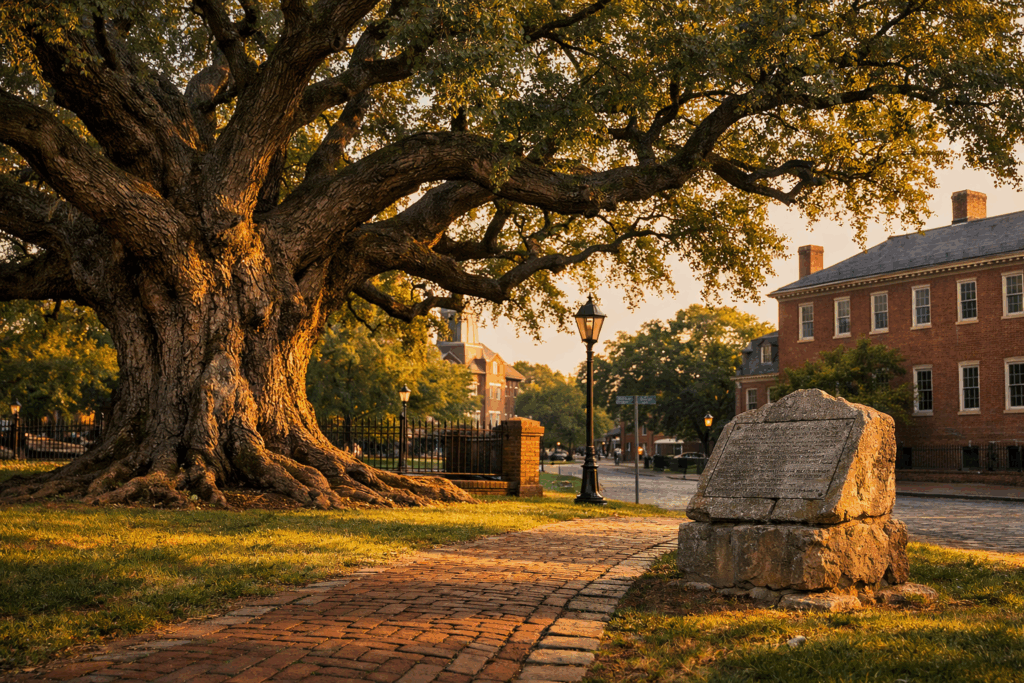
Historic trees in Richmond VA are living records of the city’s past. Some of these trees were present before major development occurred and have witnessed generations of growth and change.
These trees often:
- Appear in historical photographs and maps
- Mark early property boundaries or historic districts
- Reflect native species that shaped early landscapes
Old growth trees Richmond residents admire serve as natural landmarks that connect modern neighborhoods to their historical roots.
Understanding Richmond’s heritage trees from a historical perspective emphasizes why preservation is about more than environmental protection.
Notable Heritage Trees Found Across Richmond Neighborhoods
Heritage trees can be found across many Richmond neighborhoods, including residential streets, public parks, and institutional properties. Large oaks, elms, and other long lived species are common examples.
These trees contribute to:
- Neighborhood identity
- Increased property appeal
- Improved walkability through shade
- Urban forestry Richmond goals
Understanding Richmond’s heritage trees includes recognizing their presence throughout the city and the role they play in creating a balanced urban environment.
How Richmond Identifies and Protects Heritage Trees
The City of Richmond Urban Forestry program is responsible for identifying and managing protected trees Richmond depends on. Trees are evaluated using specific criteria to determine whether they qualify for heritage status.
Common evaluation factors include:
- Trunk diameter and estimated age
- Species rarity or native classification
- Environmental impact
- Cultural or historical relevance
Once designated, these trees fall under tree preservation Richmond guidelines. Restrictions may apply to removal, heavy pruning, or construction near the tree. Understanding Richmond’s heritage trees means understanding how these protections are applied and enforced.
Environmental and Cultural Benefits of Heritage Trees in Richmond
Heritage trees play a vital role in environmental conservation Richmond relies on. Their mature canopies help regulate temperature, improve air quality, and reduce stormwater runoff.
Culturally, heritage trees:
- Serve as community landmarks
- Strengthen neighborhood identity
- Support educational initiatives
- Promote environmental awareness
Understanding Richmond’s heritage trees highlights how environmental and cultural benefits are closely connected and why preservation efforts matter to the broader community.
Heritage Tree Preservation Laws and Regulations in Richmond
Protected trees Richmond regulations exist to ensure heritage trees are preserved whenever possible. These laws are designed to balance development needs with environmental responsibility.
Key points residents should know include:
- Permits may be required for removal or major work
- Arborist assessments may be necessary
- Replacement or mitigation plans can be required
- Unauthorized removal can result in penalties
Understanding Richmond’s heritage trees includes being aware of these regulations to avoid costly mistakes and compliance issues.
Community Efforts and Local Programs Supporting Heritage Trees
Community involvement plays an important role in protecting Richmond heritage trees. Local organizations, schools, and neighborhood groups support preservation through education and advocacy.
Community efforts often focus on:
- Public awareness programs
- Tree monitoring and reporting
- Partnerships with environmental groups
- Support for urban forestry initiatives
Understanding Richmond’s heritage trees becomes more meaningful when residents actively participate in these efforts.
How Richmond Residents Can Help Protect Heritage Trees
Residents can take practical steps to support heritage tree preservation without disrupting property use. Responsible actions help ensure these trees remain healthy and protected.
Ways residents can help include:
- Avoiding root damage during landscaping
- Reporting visible signs of disease or damage
- Seeking professional advice before trimming
- Following local preservation guidelines
When professional assistance is required, Timberbrute provides services that align with local regulations and responsible tree care practices. For questions or guidance, residents can reach out through the Contact Us page.
Understanding Richmond’s heritage trees starts with informed and thoughtful decision making.
Conclusion
Understanding Richmond’s heritage trees allows residents to appreciate the long term value these trees bring to the city. They protect the environment, preserve history, and strengthen community identity.
By learning how heritage trees are identified, protected, and supported, Richmond residents can help ensure these living landmarks remain part of the city’s future while balancing growth and sustainability.
Frequently Asked Questions
What qualifies a tree as a heritage tree in Richmond?
A tree may qualify based on age, size, species, historical significance, or environmental importance.
Are heritage trees legally protected in Richmond, Virginia?
Yes, many heritage trees are protected under local urban forestry and preservation regulations.
How old are the oldest heritage trees in Richmond?
Some heritage trees in Richmond are estimated to be more than 100 years old.
Can homeowners remove a heritage tree on private property?
Removal usually requires permits and approval depending on the tree’s classification and location.
How can residents nominate a tree as a heritage tree in Richmond?
Residents can contact local urban forestry programs to begin the nomination and evaluation process.