Timberbrute

Does Home Insurance Cover Tree Removal Richmond Storm? What You Need to Know
How to Handle Hazardous Trees Near Your Richmond Home

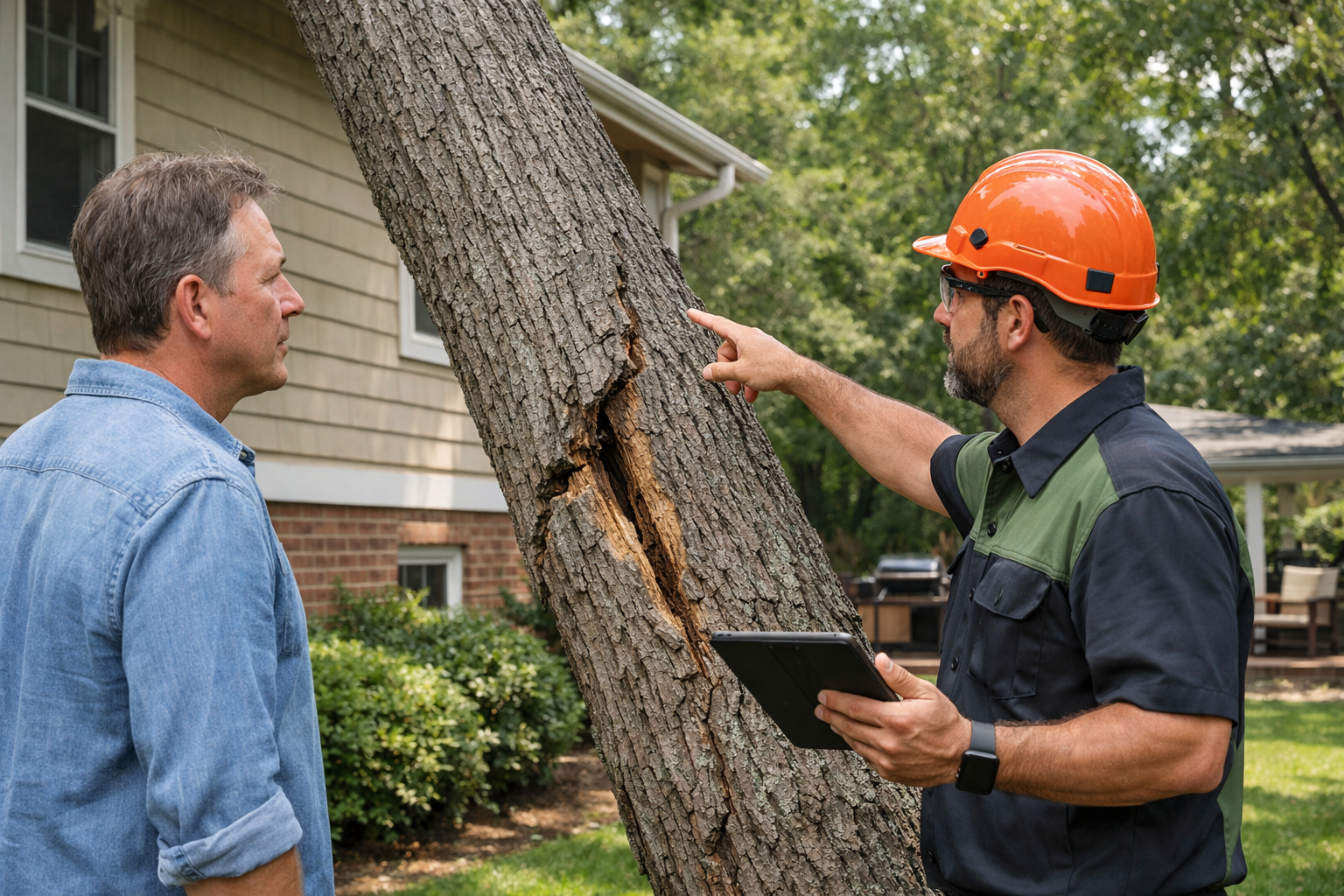
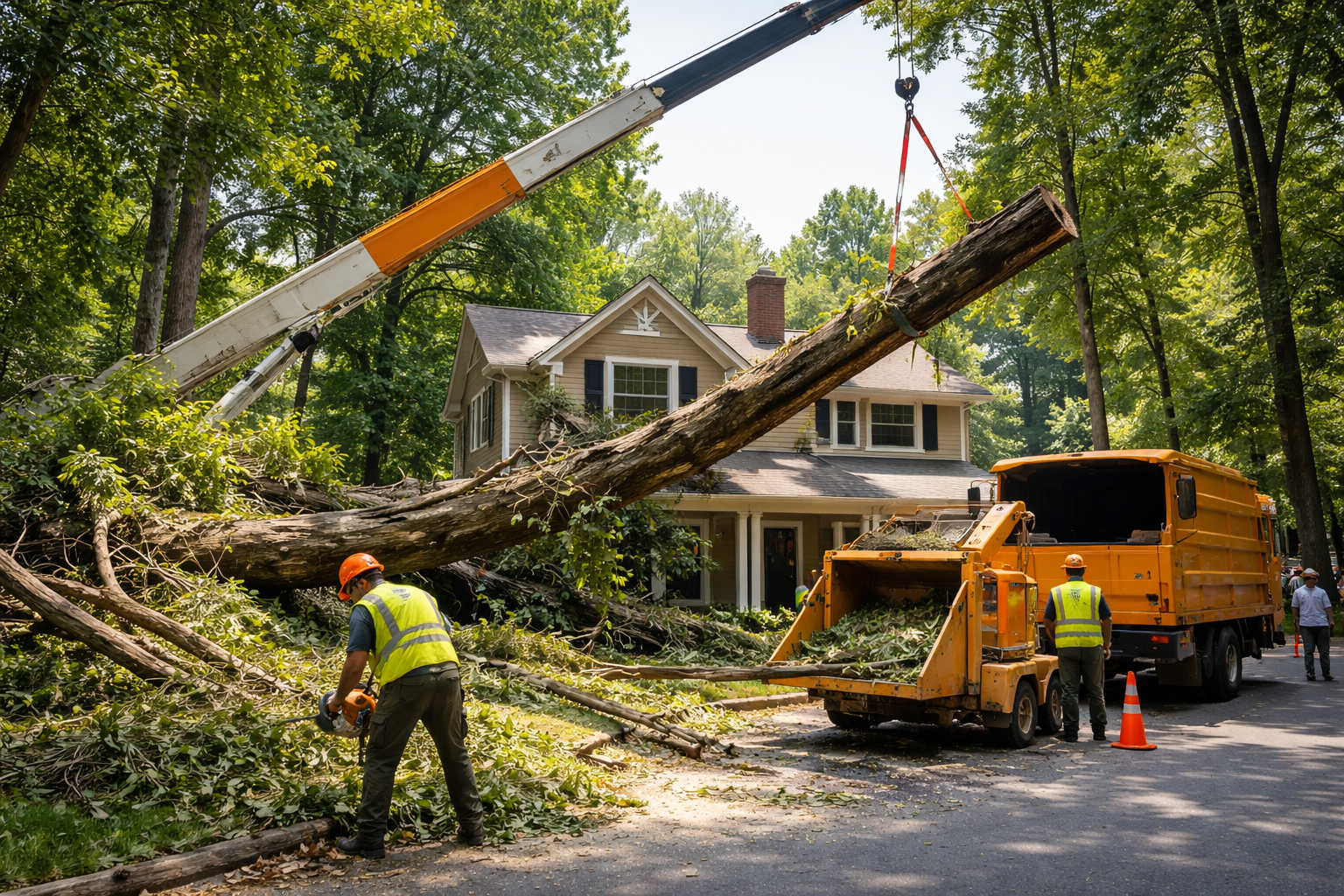
When a massive oak or loblolly pine crashes onto your property during a Richmond storm, the immediate shock is often followed by a much more stressful question: who is going to pay for this? Understanding whether home insurance covers tree removal is the key to navigating the aftermath of a disaster without draining your savings. Because professional tree work in Virginia is both high-risk and high-cost, knowing the specifics of your tree removal coverage is essential for every homeowner. Navigating your policy correctly can be the difference between a seamless, professional cleanup and a massive, unexpected out-of-pocket expense. In this guide, we’ll break down the fine print of homeowners insurance claims so you can protect your wallet and your property. Understanding Home Insurance Policies and Tree Removal When it comes to homeowners insurance tree removal, the rules aren’t always black and white. Generally, insurance is designed to cover “perils”—unexpected events like fire, lightning, or windstorms. Most standard policies include insurance coverage for fallen trees, but there is a catch: the tree usually has to hit a “covered structure.” This includes your house, your garage, or sometimes a fence. If a tree falls in the middle of your yard without hitting anything, your tree removal coverage might be limited or nonexistent. Insurance companies view a tree sitting in the grass as a maintenance issue rather than an emergency. When Does Home Insurance Cover Tree Removal? The most common scenario for a successful claim is storm damage tree removal. In Richmond, we deal with everything from summer thunderstorms to heavy ice sessions that can bring down even the sturdiest limbs. Storm Damage and Property Hits If a healthy tree falls due to wind or ice—referred to as storm damage insurance—and damages your roof, your policy will likely kick in. This covers: Tree Removal After Storm Insurance Most policies provide a specific sub-limit (often around $500 to $1,000) for tree removal after storm insurance cases. This helps clear the debris so the insurance adjuster services can safely inspect the site. What Situations Are Not Covered by Insurance for Tree Removal? Understanding covered vs. non-covered tree removal is vital to avoid a rejected claim. Insurance is for “sudden and accidental” damage, not long-term neglect. Common Insurance Exclusions Preventing claim rejection starts with regular maintenance and tree hazard assessments. How to File a Claim for Tree Removal with Home Insurance The tree removal claim process can feel overwhelming, but following these steps will help you stay organized: The Cost of Tree Removal and Insurance Coverage Explained Many homeowners worry about the financial hit of a falling tree. While,  what is the average cost of tree removal varies based on the size and location of the tree, insurance can significantly offset these costs. If the tree hits your home, the insurance company usually pays for the removal as part of the property damage repairs. However, you will still be responsible for your deductible. Professional tree removal services ensure the job is done safely, preventing further damage that could complicate your claim. We also recommend regular tree hazard assessments to identify “at-risk” trees before they become an expensive insurance headache. Expert Tips for Tree Removal and Insurance Claims To make sure you are fully protected in Richmond, keep these expert tips in mind: Frequent Ask Questions: Conclusion Navigating the world of insurance can be tricky, but knowing when your policy kicks in is the first step toward peace of mind. Whether you are dealing with a fallen oak after a Richmond storm or you’re worried about a potential hazard, being proactive is key. At Timberbrute, we provide professional, safe, and efficient tree removal services in Richmond, Virginia. We can help you assess the situation and provide the documentation you need for your claim. If you have questions about a tree on your property, don’t wait for the next big storm. Contact us today for an assessment and to find out if home insurance covers tree removal for your specific situation.
How to Plant Grass After Tree Removal: Step-by-Step Lawn Recovery Guide

Emergency Tree Removal in Westover Hills, Virginia

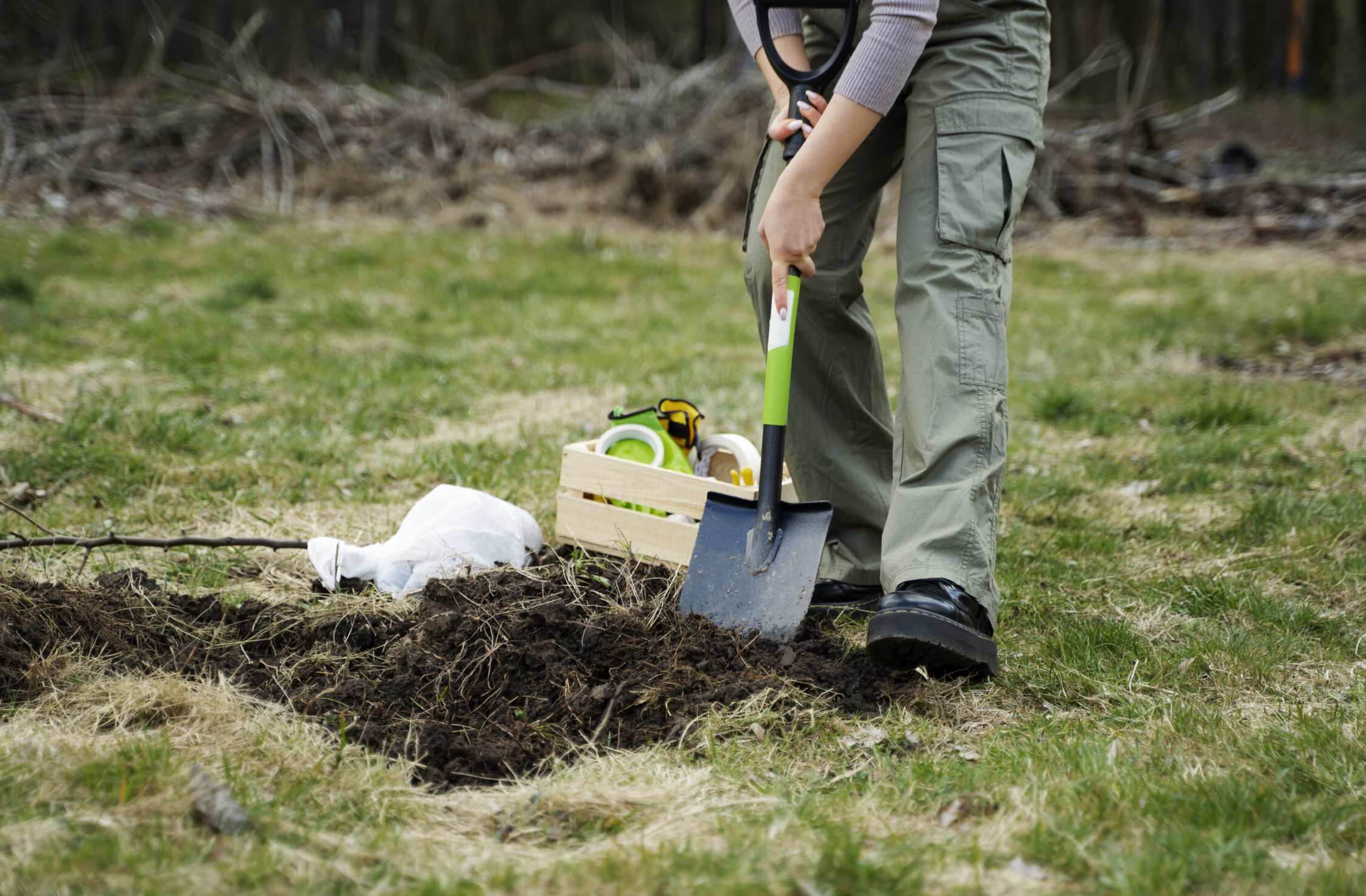
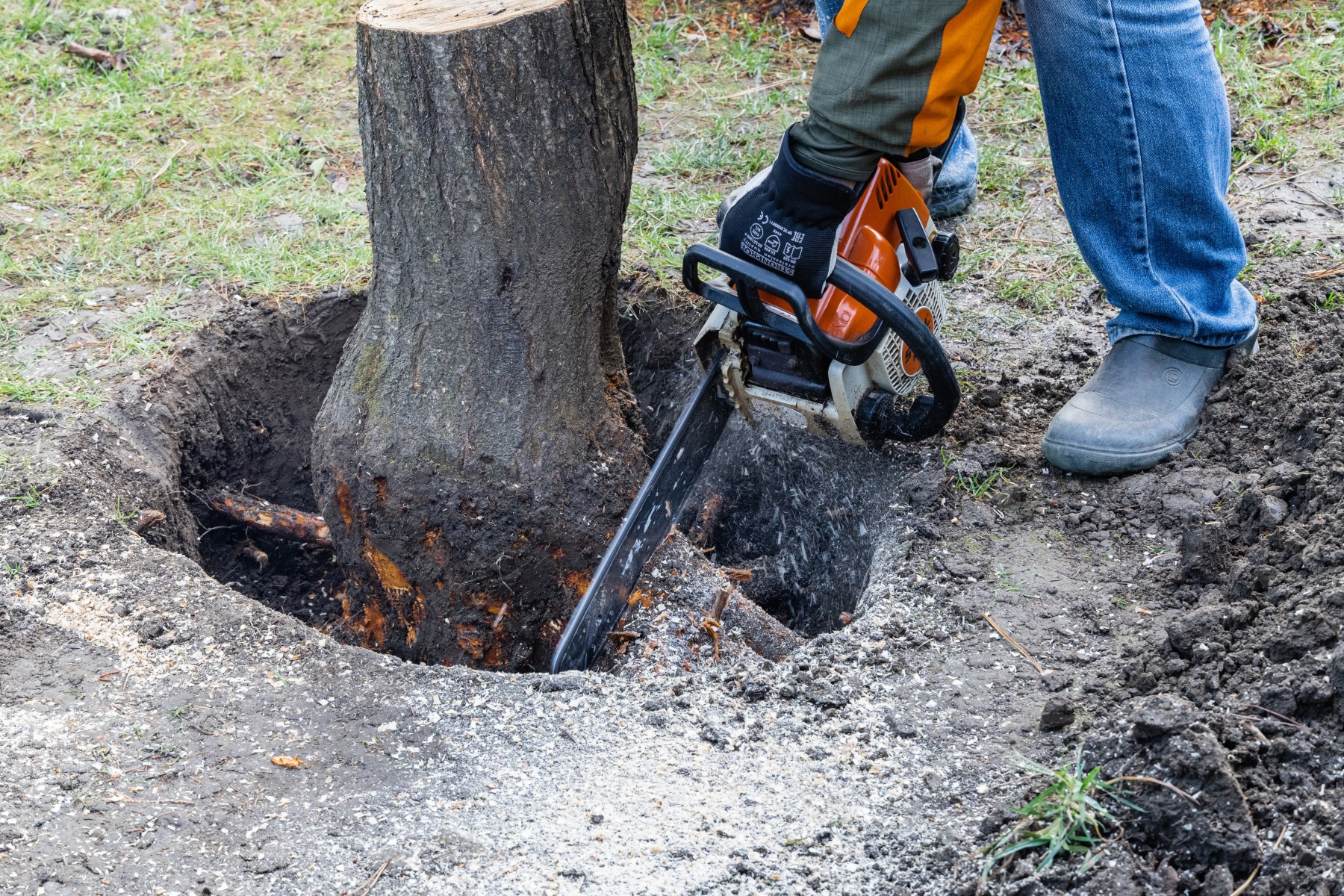
Learning how to plant grass after tree removal is essential for homeowners who want to restore the beauty of their landscape. When a large tree is taken down, it leaves behind more than just an empty space; it leaves a complex environment of acidic soil, leftover sawdust, and buried roots that can make new growth difficult. At Timberbrute, we understand that removing the tree is only the first half of the job. To get your yard back to its lush, green state, you need a strategic approach to soil restoration and seed selection. This guide provides a clear roadmap to help you successfully navigate the lawn restoration guide process specifically for theVirginia,d, Virginia climate. Why Grass Struggles After Tree Removal Freshly cleared ground is rarely ready for immediate seeding. One of the primary reasons new blades struggle is the presence of sawdust and wood chips. As these wood particles decompose, they consume vast amounts of nitrogen from the soil. Nitrogen is the exact nutrient grass needs to thrive, so its absence leads to yellow, stunted growth. Additionally, the soil underneath a long-standing tree is often compacted and depleted of nutrients. Years of shade have likely prevented any hearty growth, and the pH balance might be off due to the previous tree species. If you want to fix lawn after tree cutting, you must address these underlying soil issues before spreading a single seed. Preparing the Soil for Fresh Grass Growth The soil enrichment process is the foundation of your success. Start by testing the pH of the dirt in the affected area. Many trees, especially those common in Virginia, can leave the soil slightly acidic. Adding lime can help neutralize the acidity and create a more welcoming environment for new roots. You should also integrate a high-quality organic lawn fertilizer into the site. This helps replenish the nitrogen lost during the decomposition of any remaining organic matter. Once the nutrients are balanced, use yard leveling tools to ensure the area is even with the rest of your lawn. This prevents water from pooling in the “crater” where the tree once stood. Removing Debris, Roots, and Wood Chips Properly One of the most important grass seeding tips after tree removal is to be ruthless with debris. You might be tempted to leave small wood chips behind as mulch, but this is a mistake. Large quantities of wood chips create air pockets that dry out new roots and lead to “mushroom fairy rings” later. Clear the Surface Rake away all visible sawdust and wood fragments. If a stump was groundwouldn, you will likely have a large pile of “stump mulch.” Dig this out and replaa fresh with fresh top soil application to ensure your seeds have a nutrient-rich medium to grow in. Address the Subsurface Root debris removal is equally vital. Use a shovel or a pickaxe to remove any large, shallow roots that remain. These roots will eventually rot and cause the ground to sink, ruining your leveling efforts. Taking the time to prepare soil for grass planting now will save you from having to re-level the yard next season. Choosing the Right Grass Seed for Best Results Selecting the right grass seed varieties depends heavily on the new light conditions of your yard. Now that the tree is gone, an area that was once full shade might be in full sun. In Richmond, we typically recommend a Turf-Type Tall Fescue for its durability and heat resistance. If you are unsure of the best local options, researching what to plant after tree removal can provide deeper insights into both grass and alternative landscaping features. Choosing a high-quality seed ensures that your best way to seed grass leaf efforts lead to long-term success rather than a patchy yard. Step-by-Step Guide to Seeding Your Lawn Foster-by-step instructions for planting grass instructions to ensure a professional finish: If the damage to your yard is extensive, you may need to learn more about how to repair lawn after tree removal to address larger patches of dead grass or heavy equipment tracks. Watering, Care, and Maintenance for New Grass The first two weeks are the most critical for lawn reseeding techniques. You must keep the soil surface consistently moist but not soggy. This usually requires light watering twice a day. Once the grass reaches about two inches in height, you can transition to deeper, less frequent watering to encourage deep root growth. Avoid mowing the new patch until it is at least three inches tall. Ensure your mower blades are sharp so you don’t pull the young, tender plants out of the ground. Proper maintenance is the final step in growing grass after a tree removal journey. For more tips on managing your landscape post-project, check out our guide on what to do with lawn after tree removal. Frequently Asked Questions Conclusion  Restoring your yard doesn’t have to be a stressful DIY project. While the steps above provide a solid foundation, professional landscaping restoration services can ensure the job is done perfectly the first time. At Timberbrute, we specialize in helping Richmond homeowners transition from messy removal sites to pristine, green landscapes. Whether you need expert advice or hands-on help with lawn repair after stump removal, we are here to support your property goals. Contact us today to learn more about our services or explore our other blog guides for more pro tips. Our team is dedicated to making sure you know exactly how to grow grass after tree removal for a yard you can be proud of.

How Soon After Stump Grinding Can You Plant? Timing & Tips Explained

stump grinding

Wondering how soon after stump grinding can you plant is the top question we hear from Richmond homeowners. You’ve cleared that eyesore, and now you’re ready to fix your yard. But rushing can lead to weak growth or yellowing leaves. In Richmond, Virginia, local soil and weather affect how fast your yard heals. Whether you’re laying sod or a new tree, there’s a science to planting after stump grinding. This guide explains waiting times, the soil conditioning process, and how to help your new plants thrive. When Is the Right Time to Plant After Stump Grinding? The short answer is: it depends on what you are planting. If you are looking for the best time to replant after stump removal, you usually have two choices: immediate action with heavy soil modification or waiting 6 to 12 months for nature to take its course. What Happens to Soil After a Stump Is Ground Down? To understand when to plant after stump removal, you have to look beneath the surface. When a professional what is stump grinding service is completed, the machine leaves behind a mix of soil and wood chips. Nitrogen Depletion As tree root remnants and wood chips rot, bacteria consume nitrogen. This “nitrogen vacuum” starves new growth, making grass planting after stump grinding tricky without adding nutrients. Soil Imbalance The stump grinding residue changes the carbon-to-nitrogen ratio. If you plant immediately without treating the area, your new plants may turn yellow and struggle to grow because they are literally being starved of nutrients. Key Factors That Affect Planting Time Several variables influence how quickly you can get back to gardening in your Richmond yard: How to Prepare the Ground for New Planting Success starts with thorough soil preparation after stump grinding. You can’t just throw seeds on a pile of wood chips and expect results. Best Plants and Grass Options for Freshly Cleared Areas Deciding what to plant after tree removal is the fun part. Before you decide on your new landscape design, make sure you understand the difference between stump grinding vs. stump removal: which is better? as it greatly impacts your planting depth. Expert Tips to Boost Healthy Plant Growth To improve soil after stump grinding, follow these professional stump grinding planting tips: Professional Help: Utilize yard restoration services to ensure the ground is leveled and the pH is balanced properly. Frequent Ask Questions: Conclusion Restoring your landscape after a tree is gone takes a bit of strategy and patience. While you might be tempted to rush, following the proper landscaping soil preparation steps ensures that your new investment doesn’t wither away. By managing the nitrogen levels and clearing out the stump grinding residue, you can create a vibrant, healthy outdoor space once again. If you’re in the Richmond area and need a professional hand getting your yard ready, Timberbrute is here to help. From precision grinding to expert advice on restoration, we ensure your property is primed for its next chapter. Contact Timberbrute today for a free consultation and let us help you figure out how soon after stump grinding can you plant.

How to Kill Tree Roots After Stump Removal: Simple and Effective Methods?

stump removal in Brandermill

Knowing how to kill tree roots after stump removal is the final, essential step in reclaiming your yard and ensuring that a removed tree doesn’t “ghost” you with unwanted regrowth. Many homeowners in Richmond, Virginia, assume that once the main trunk is gone, the job is finished. However, a tree’s root system can extend far beyond the drip line, often remaining alive and active long after the visible stump has been ground down. If left untreated, these lingering roots can cause a variety of headaches, from sprouting “sucker” trees to damaging underground pipes. In this guide, we will walk you through the most effective ways to eliminate tree roots effectively so you can move forward with your landscaping projects. Why It’s Important to Kill Tree Roots After Stump Removal When you invest in what is tree stump removal, you’re usually looking for a clean slate. However, certain species (like maples or elms) are stubborn. Their roots contain energy reserves that allow them to send up new shoots even without a trunk. Here is why you shouldn’t skip this step: Understanding is tree stump removal necessary often comes down to these long-term root problems after stump removal. Natural Methods to Eliminate Tree Roots If you prefer to avoid harsh toxins in your Richmond garden, there are several natural root-killing methods that are safe for the environment and your pets. 1. Epsom Salt or Rock Salt Salt works by pulling moisture out of the wood, effectively dehydrating the root system. 2. Boiling Water and Light Deprivation For smaller, shallow roots, scalding them with boiling water can shock the system. Additionally, covering the area with a heavy black plastic tarp or thick mulch cuts off the “suckers” from sunlight, which is one of the best root removal techniques for those who have the luxury of time. Chemical Solutions for Killing Tree Roots Safely For faster results, chemical treatments for tree roots are often the go-to choice. These are designed to travel down into the vascular system of the plant to ensure the entire network dies off. Commercial Herbicides Products containing glyphosate or triclopyr are the most effective chemical root killers. How to Speed Up the Decay Process of Tree Roots If you don’t want to wait years for nature to take its course, you can implement fast tree root decay solutions by changing the environment underground. Common Mistakes to Avoid When Killing Tree Roots Even the best DIY efforts can fail if you make these common errors: Professional Tips for Complete Tree Root Removal Sometimes, the DIY route isn’t enough, especially for massive oaks or trees close to your home’s foundation. This is where tree care services and tree root removal professionals come in. Frequent Ask Questions: Conclusion Mastering how to kill tree roots after stump removal is the key to a healthy, beautiful Richmond landscape. Whether you choose the patience of natural salt treatments or the efficiency of chemical root killers, the goal is the same: preventing regrowth and protecting your property. Don’t let underground roots ruin your new patio or lawn. If the job feels too big or you want to ensure it’s done right the first time, Timberbrute is here to help. We offer expert tree care services and professional stump removal and root treatment across the Richmond area. Ready to clear your yard for good? Contact Timberbrute today for a free quote on professional stump and root removal! By following these steps, you’ll finally know exactly how to kill tree roots after stump removal.

How Much Does Stump Removal Cost? A Complete Pricing Guide

stump removal

When you are looking to clean up your yard in Richmond, Virginia, one of the first questions you likely have is, “How much does stump removal cost?” After you have determined what is the average cost of tree removal, dealing with the leftover stump is the next step to avoid eyesores or pests. The price for this service varies significantly based on the size of the stump, the location, and the method used. In this guide, we will break down exactly what you can expect to pay so you can budget effectively for your outdoor property care. What Is the Average Price for Removing a Tree Stump? For most homeowners, the average cost to remove a tree stump ranges between $150 and $450. However, prices can dip as low as $75 for very small projects or climb over $700 for complex, massive stumps that require heavy-duty equipment. In the Richmond area, tree care professionals usually offer two main ways to price a job. Some charge a flat fee for the first stump with a discounted rate for additional ones. Others use a price-per-inch model, which is common for residential yard maintenance services. On average, you might see rates around $3 per inch of the stump’s diameter. Key Factors That Influence Stump Removal Costs Several variables dictate the final stump removal price guide for your specific property. It is rarely a one-size-fits-all situation. Cost Breakdown: Small vs. Large Stumps Understanding the pricing for tree stump removal often comes down to scale. Here is how the size generally impacts your wallet: Small Stumps (Up to 12 inches) These are typically quick jobs. If you have a few small stumps from bushes or young trees, you can expect to pay between $75 and $150. Many landscaping contractors have a minimum service fee, so it is often cheaper to have several small stumps done at once. Medium to Large Stumps (12 to 36+ inches) For a standard mature tree stump, the cost to remove tree stump assets usually sits between $200 and $400. If you are dealing with a massive “legacy” tree that is over 4 feet wide, the price can exceed $500 because it requires specialized high-horsepower equipment and more time on-site. Stump Grinding vs. Full Removal Price Comparison It is important to know the difference between grinding and full removal, as the price gap is wide. You might be asking, is tree stump removal necessary? Often, grinding is the preferred middle ground. Method Average Cost Pros Cons Stump Grinding $150 – $450 Faster, cheaper, less yard damage. Leaves the deep roots underground. Full Removal $400 – $900+ Removes everything, including the root ball. Expensive, requires heavy digging, leaves a large hole. Average stump grinding cost is lower because it focuses on the visible part of the tree. Full removal involves a root removal service, which takes much longer and requires a more intensive soil restoration process work afterward. Hidden Costs You Should Know Before Hiring When looking for affordable stump removal options, be sure to ask about these potential “hidden” fees: Smart Ways to Save Money on Stump Removal You do not always have to search for cheap stump grinding services that might lack insurance or proper equipment. Here are professional ways to lower your bill: Frequent Ask Questions: Conclusion  Managing your landscape should not be a guessing game. At Timberbrute, we pride ourselves on providing transparent, honest, and high-quality service to homeowners throughout Richmond, Virginia. Whether you have one stubborn stump or a dozen, our team has the heavy-duty equipment needed to clear your land safely and efficiently. Leaving a stump behind can lead to regrowth, pests, and lawn mower damage. Investing in professional removal restores the beauty and safety of your yard. Contact Timberbrute today for a free estimate and let us help you find the best solution for your property.

Stump Grinding vs. Stump Removal: Which Is Better?

Stump Removal

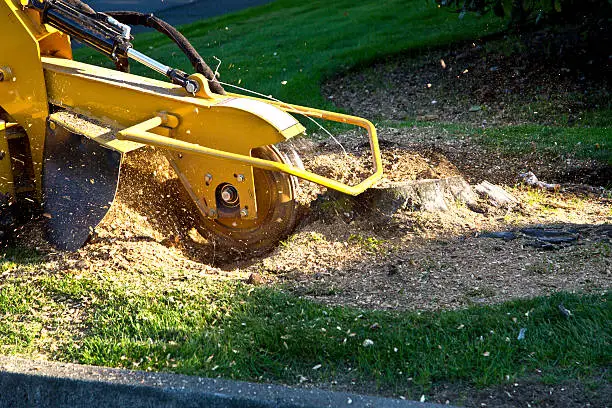
If you have recently had a tree cut down on your Virginia property, you are likely staring at a leftover eyesore and asking yourself, “Stump Grinding vs. Stump Removal: Which Is Better?” Leaving a stump behind isn’t just a matter of aesthetics; it can impact your lawn’s health, attract pests, and create a permanent tripping hazard. At Timberbrute, we understand that homeowners in Virginia want a clear, level yard without spending more than necessary. Deciding between these two methods depends on your future landscaping goals, your budget, and how much of an impact you want to make on your soil. In this guide, we will break down the difference between stump grinding and removal, the costs involved, and the long-term effects on your property so you can make the most informed choice for your home. Understanding the Key Differences Between Grinding and Removal The first step in choosing a path is understanding what tree stump removal is versus the more common grinding process. Removal is a comprehensive process where the entire stump, including the main root ball, is excavated from the earth. It is a “complete stump extraction guide” in action, often requiring heavy machinery like backhoes to pull the bulk of the tree out of the ground. On the other hand, stump grinding involves using specialized arborist equipment to chew the wood into small chips. The machine grinds the stump down to several inches below the soil line. This leaves the deep roots to decay naturally while providing a flat surface for landscape improvement. Understanding the pros and cons of stump grinding is essential, as it is often the best option for stump elimination for residential lawns where minimal soil disruption is preferred. Cost Comparison: Which Option Fits Your Budget? When comparing stump removal vs. grinding cost, grinding is almost always the winner for those seeking affordable stump solutions. Grinding requires less labor and smaller equipment, making it the go-to for standard yard safety solutions. In Virginia, grinding a single stump can range from $150 to $400 depending on its diameter. Full tree stump extraction is significantly more expensive. Because it involves digging a massive hole and hauling away a heavy, dirt-clogged root ball, the labor and disposal fees can easily double or triple the price of grinding. If you are trying to determine which stump method is better for your wallet, grinding offers the highest ROI by quickly restoring your curb appeal without the high price tag of excavation. Impact on Your Lawn and Landscaping Plans Your future plans for the yard should dictate whether you grind or remove tree stump remains. Grinding leaves the deep root system removal for nature to handle over several years. This means you can easily cover the area with topsoil and grass seed. However, you might encounter root problems after stump removal if you try to plant a new large tree in the exact same spot too soon. Full removal allows for an immediate lawn restoration process. Since the root ball is gone, you have a blank canvas. The downside is the “aftermath”—a large hole that must be filled and graded. In the clay-heavy soils found in many parts of Virginia, this can lead to settling over time, requiring additional soil to keep the area level. Time, Equipment, and Labor Explained The time, equipment, and labor required for these tasks vary greatly. A stump grinding service typically uses a compact, high-speed machine that can fit through most backyard gates. A single stump can often be ground down in 30 to 60 minutes. It is a clean, efficient process that produces mulch you can actually use in your garden beds. In contrast, tree care professionals performing a full extraction often need a mini-excavator. This increases the risk of lawn ruts and requires more space for maneuvering. The labor involves not just the extraction but also the significant task of backfilling the hole and compacting the soil. For most Virginia residential neighborhoods, the efficiency of grinding makes it the preferred landscape improvement choice. When Full Extraction Makes More Sense While grinding is popular, there are specific scenarios where full tree stump extraction is the superior choice. If you are planning to put in a new foundation, a swimming pool, or an underground utility line, those old roots cannot stay in the ground. Complete extraction is also recommended if the tree was heavily infested with termites or a specific fungal disease that could spread to other plants through the soil. By choosing full removal, you ensure that the entire “host” for these pests is gone. It is a more aggressive yard safety solution, but it is sometimes the only way to ensure a truly “clean” site for major construction. How to Decide the Right Solution for Your Property To decide between stump grinding vs. stump removal, ask yourself these three questions: In Virginia, most homeowners find that grinding provides the best balance of price and results. Timberbrute can help you evaluate the diameter, tree species, and soil conditions to provide an accurate estimate. Our tree care professionals are equipped to handle either path, ensuring your property is left safe and beautiful. Frequent Ask Questions Conclusion Choosing between stump grinding vs. stump removal: Which is better ultimately comes down to your property’s future. For the vast majority of Virginia homeowners, grinding is the most efficient, cost-effective, and least intrusive way to reclaim their yard. It eliminates the eyesore and the hazard while allowing your grass to thrive once again. At Timberbrute, we specialize in providing high-quality, professional stump services tailored to the unique needs of our local communities. Whether you need a quick grind to tidy up your lawn or a full extraction for a new project, our team of experts is here to help. Ready to get rid of that stump for good? Contact Timberbrute today for a free quote, and let us show you why we are Virginia’s top choice for stump grinding vs. stump Removal: Which Is Better for Your Property!

Does Clearing Land Increase Property Value?

Clearing Land

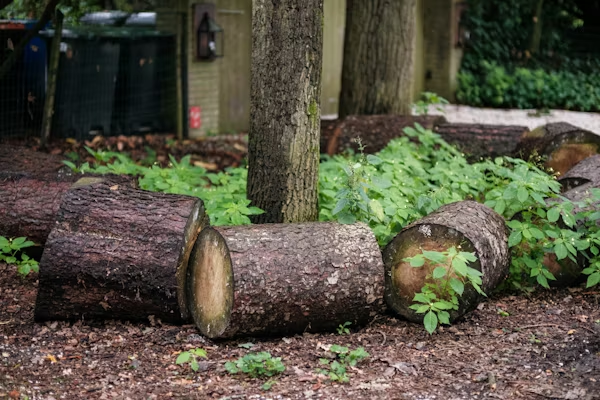
If you’re sitting on a piece of acreage in Virginia that’s currently a wall of tangled vines and scrub brush, you’ve likely wondered: does clearing land increase property value? It’s a common question for homeowners from the suburbs of Richmond to the rural stretches of the Shenandoah Valley. At Timberbrute, we’ve seen firsthand how strategic land management can transform a neglected lot into a premium listing. Investing in a property enhancement service isn’t just about aesthetics; it’s about revealing the “bones” of the land so a buyer can actually see themselves building a life there. In this guide, we’ll explore the financial benefits of clearing a lot, the psychology of Virginia buyers, and how to ensure your land clearing investment value is as high as possible. How Land Clearing Impacts Property Worth When a parcel of land is overgrown, it feels smaller and more intimidating than it actually is. By utilizing a professional vegetation removal service, you essentially “expand” the usable footprint of the property in the eyes of an appraiser or buyer. This shift in perception is a major reason why clearing land raises property price benchmarks across the state. Beyond just the look of the land, the lot clearing process serves as a vital step in site development preparation. It removes the “guesswork” for a developer or a family looking to build. When the brush is gone, they can easily identify building sites, drainage patterns, and potential driveway paths. This transparency reduces the buyer’s perceived risk, which almost always translates to a higher offer. Situations Where Clearing Land Adds the Most Value Not every acre needs to be stripped bare to see a return. However, there are specific scenarios where clearing is the single best way to increase land value before selling: If you’re prepping a home site, it’s also important to know how to prepare your Richmond property for professional tree removal to avoid damaging the land during the clearing process. When Keeping Trees Might Be the Better Choice While clearing brush is great, “clear-cutting” every living thing can sometimes backfire. Mature hardwoods—oaks, maples, and walnuts—are high-value assets in the Virginia real estate market. Total deforestation can actually strip away the character that buyers are looking for in a land usability upgrade. Smart clearing focuses on removing “understory” growth, invasive species, and diseased timber while leaving the majestic canopy intact. This creates a “park-like” setting that is highly coveted. If you’re unsure which trees to save, it helps to understand how tree removal affects property value in Richmond neighborhoods so you don’t accidentally remove an asset that was actually adding to your bottom line. Buyer Psychology and First Impressions of Land Real estate is an emotional game. When a buyer pulls up to a property that is choked with briars, their first thought is usually, “This looks like a lot of work and hidden costs.” They worry about hidden stumps, sinkholes, or expensive outdoor property improvement bills. By investing in boosting land appeal for buyers through professional clearing, you change the narrative from “problem property” to “opportunity.” Cost vs. Value: Is Clearing Really Worth It? Is lot clearing worth it when you look at the raw numbers? Generally, the ROI (Return on Investment) for land clearing is quite high. While a professional clearing job might cost a few thousand dollars, the increase in the final sale price often exceeds that cost by 2x or 3x. Property Type Clearing Cost (Est.) Value Increase (Est.) Small Residential Lot $1,500–$4,000 5%–10% 5+ Acre Parcel $3,000–$10,000 10%–20% View-Blocked Lot $2,000–$5,000 15%–25% In Virginia, where land use and zoning can be complex, having a clean site also helps during the appraisal process. An appraiser can more accurately assess the property value after brush removal because they can see the topography and soil quality clearly. Smart Strategies to Maximize Property Appeal To get the most out of your clearing project, you need a surgical approach. Frequent Ask Questions Conclusion Determining if and how to clear your lot is a major decision in your land value improvement journey. While the initial investment might seem daunting, the benefits of clearing a lot, from faster sales to higher offers, usually make it a no-brainer for Virginia landowners. By focusing on site usability and buyer psychology, you can turn a tangled mess into a highly desirable piece of real estate. At Timberbrute, we are proud to be Virginia’s trusted partner for all things tree and land management. We understand the local market and know how to balance clearing with conservation to get you the best results. Whether you’re prepping a lot in Richmond or clearing acreage in the countryside, we’re here to help you maximize your investment. Ready to see how much more your land could be worth? Contact Timberbrute today for a consultation, and let’s discuss how clearing land increases property value for your specific lot.

What Is the Cheapest Method of Clearing Land?

Clearing Land

Budget is often the first concern when buying a new lot or expanding a backyard, and the question becomes, what is the cheapest method of clearing land? For Virginia property owners, costs vary depending on the approach. At Timberbrute, we’ve seen homeowners save thousands with the right strategy, while others lose just as much with common “rookie” mistakes. Whether prepping a site in the Blue Ridge foothills or clearing a residential lot in Richmond, balancing DIY labor with professional property preparation services is key. This guide explains affordable lot clearing options, compares manual work to machinery, and shows how to get the job done in Virginia without draining your savings. Low-Cost Land Clearing Options That Actually Work If you are looking for the cheapest way to clear property, the answer almost always starts with “sweat equity.” Hand-clearing is, by far, the most economical land cleanup method if you have the time and physical stamina. This involves using manual tools to remove brush, small saplings, and debris. While it costs very little in terms of cash, it is the most time-consuming site preparation process. Another low-cost land clearing method is “forestry mulching.” While it involves hiring a professional with a specialized machine, it is often cheaper than traditional clearing because it combines cutting, grinding, and debris disposal into a single step. Instead of hauling away trees, the machine turns them into mulch that stays on-site to prevent erosion. This is a popular lot clearing solution for Virginia landowners who want a clean look without the high cost of debris transport. Manual vs. Machinery: Which Saves More Money? Deciding between manual labor and heavy machinery is a classic “time vs. money” debate. Clearing land without heavy equipment is technically the cheapest route, but it’s only feasible for smaller lots (under half an acre) or areas with light vegetation. If you’re facing a wall of invasive privet or dense Virginia pine, doing it by hand could take months. The Cost of DIY Manual Clearing The Cost of Machinery Using vegetation clearing equipment like a skid steer or a brush hog is faster, but the rental fees and fuel can add up. However, if you can clear in one day what would take a month by hand, the machinery pays for itself in “opportunity cost.” For many, the most low-cost site preparation involves a hybrid approach: you do the light handwork and hire Timberbrute for the heavy lifting. Smart Ways to Cut Costs Without Cutting Corners To achieve an inexpensive brush removal project, you have to be strategic about timing and resources. One of the best budget land clearing tips is to schedule your work during the “off-season.” We’ve previously discussed what is the cheapest time of year for tree removal, and the same logic applies to land clearing. Late fall and winter are often the best times to find lower rates and better availability. Use What You Have Instead of paying to haul away timber, consider selling the wood or using it. Large hardwoods can sometimes be sold to local Virginia mills, while smaller branches can be chipped into free mulch for your garden. This reduces the brush removal techniques expenses significantly. You might wonder, what happens when you remove a tree? Usually, you’re left with a lot of organic material that, if managed correctly, can be turned into a resource rather than a waste product. Tools and Equipment That Won’t Break Your Budget If you’re committed to the DIY route, you don’t need a fleet of bulldozers. The right ground clearing tools can make a massive difference. For affordable lot clearing options, focus on these essentials: By focusing on high-impact vegetation clearing equipment rentals for short bursts of time, you keep your overhead low while maintaining high productivity. Hidden Expenses Most Landowners Forget The “sticker price” of land clearing isn’t always the final price. In Virginia, there are several hidden factors that can derail a budget. Pro Tips to Clear Property Fast and Affordably As a trusted Virginia land clearing expert, Timberbrute recommends a “bottom-up” approach. Start by clearing the underbrush first. Once you can see the “skeleton” of the land, you can identify which large trees actually need to come down and which can stay. Keeping mature trees not only saves on removal costs but also increases your property value and curb appeal. Always check local Virginia burning ordinances before lighting a brush pile. In many areas, “burn seasons” are strictly enforced to prevent wildfires. If burning is legal and safe in your area, it is arguably the cheapest method of clearing land debris, but it requires constant supervision and a water source on standby. Frequent Ask Questions Conclusion Clearing your property doesn’t have to be a financial nightmare. By combining DIY manual labor with strategic professional help for the heavy tasks, you can find a path that fits your budget. Remember that the cheapest method of clearing land is the one that avoids expensive mistakes like damaging a neighbor’s property or violating local Virginia environmental codes. At Timberbrute, we specialize in helping Virginia landowners maximize their property’s potential without breaking the bank. Whether you need a full site preparation or just some expert advice on the best lot clearing solutions, we’re here to help. Ready to start your project? Contact Timberbrute today for a free quote on our affordable land clearing services!

What to Do With Lawn After Tree Removal

Lawn After Tree Removal

Most people focus so much on getting the tree down that they don’t stop to think about what comes next. But for Virginia homeowners, that moment when the crew packs up and pulls out of the driveway is really when the work starts. You’re left staring at a torn-up patch of yard, dealing with the stump grinding aftermath, compacted soil, and a scattering of wood chips that seem to go on forever. Knowing what to do with the lawn after tree removal is honestly what separates a yard that bounces back quickly from one that looks rough for the next two seasons. At Timberbrute, we know tree removal is only the beginning. Whether it’s a storm-damaged maple or a dying oak, recovery takes strategy. We guide Virginia homeowners through the full restoration process, ensuring a clean cut leads to a beautiful yard. From handling leftover wood chips to tackling the clay-heavy soil common across the state, our approach helps transform a construction zone into a thriving green space. With Timberbrute, you don’t just lose a tree; you gain a plan for a healthier, more vibrant yard. First Steps to Take Right After a Tree Comes Down The moments immediately following a major extraction are critical. Once the heavy lifting is done, your primary goal is to clean the yard after tree service to prevent long-term damage to the surrounding grass. Heavy machinery, even when used carefully by professionals, can stress the turf. If the crew didn’t use ground protection mats, you might see “bruised” grass or shallow ruts. At Timberbrute, we pride ourselves on transparency regarding how we complete your tree removal. The first step for any homeowner should be a thorough walkthrough. Look for: Addressing these minor issues within the first 48 hours prevents them from becoming permanent scars on your lawn. If you’re already thinking about the next phase of your yard’s life, you might also be curious about what to plant after tree removal to fill that new gap in your canopy. Removing Wood Chips, Roots & Leftover Debris One of the biggest mistakes homeowners make is trying to fix a lawn after stump removal by simply throwing soil over a pile of wood chips. Wood chips are high in carbon; as they decompose, they “steal” nitrogen from the soil, leaving very little for your new grass. To repair the yard after tree cutting effectively, you must remove the bulk of the mulch produced during stump grinding. Cleaning the site thoroughly ensures that your post-tree removal cleanup leads to a successful replanting phase. Clean the yard after tree service. Fixing Soil Compaction and Nutrient Loss Virginia soil is notorious for its high clay content, which compacts easily under the weight of trucks and falling logs. When soil is compacted, oxygen and water can’t reach the roots of your grass. To improve soil after tree removal, you need to break up that hard-packed earth. Use a garden fork or a core aerator to loosen the soil in a 10-foot radius around the former tree site. This is also the time for a soil conditioning treatment. Because trees spend decades pulling nutrients from the earth, the area is likely depleted of nitrogen and phosphorus. Adding a layer of high-quality compost or a balanced starter fertilizer will help restore grass after excavation by giving the new seeds the fuel they need to thrive in our local climate. How to Level the Ground for a Smooth Finish A common sight in Virginia residential neighborhoods is the “sunken circle”—the spot where a tree used to be that has now turned into a muddy bowl. To level ground after tree work, you have to account for settling. When you fill the hole left by the stump, don’t just fill it to the brim; mound the soil slightly higher than the surrounding grade. Over the next few weeks, gravity and rain will cause the loose dirt to pack down. By mounding the area (about 2-3 inches above the lawn line), you ensure that once it settles, it remains perfectly flush. For the best results, use a mix of 70% topsoil and 30% organic compost. This creates a stable yard leveling service result that won’t require a second application a year later. Seeding, Sodding, or Landscaping—What’s Best? Once the ground is level, you have to decide on your turf repair solutions. Most Virginians opt for grass reseeding methods, using fescue or Kentucky bluegrass. However, timing is everything. If you are wondering what the cheapest time of year for tree removal is, you might find that winter removals lead perfectly into a spring seeding window. Long-Term Lawn Care Tips for Healthy Regrowth The landscape renovation doesn’t end once seeds are in the ground. New grass is delicate, especially in the transition zone of Virginia with humid heat and freezing winters. For the first month, water lightly twice a day; never let soil dry out completely. Keep foot traffic and pets away for six weeks. If “mushroom” growth appears where the tree was, don’t panic; it’s leftover underground roots decomposing. Kick them over or mow them down. Consistency is the hallmark of a professional lawn restoration process. Frequent Ask Questions Conclusion Mastering what to do with the lawn after tree removal takes a bit of patience and some “sweat equity,” but the results are worth it. By focusing on soil health, proper leveling, and the right seeding schedule, you can erase the evidence of a tree removal and enjoy a seamless, healthy yard. At Timberbrute, we understand that our job isn’t done just because the tree is on the ground. We are committed to helping Virginia homeowners maintain beautiful, safe, and functional properties. If you’re planning a removal or need advice on a landscape renovation, our team of experts is here to guide you through every step of the process. Ready to reclaim your yard? Contact Timber brute today for a consultation on your next project and let us help you figure out exactly what to … Read more

How Much Is Tree Removal Per Hour? A Complete Cost Breakdown

Tree Removal

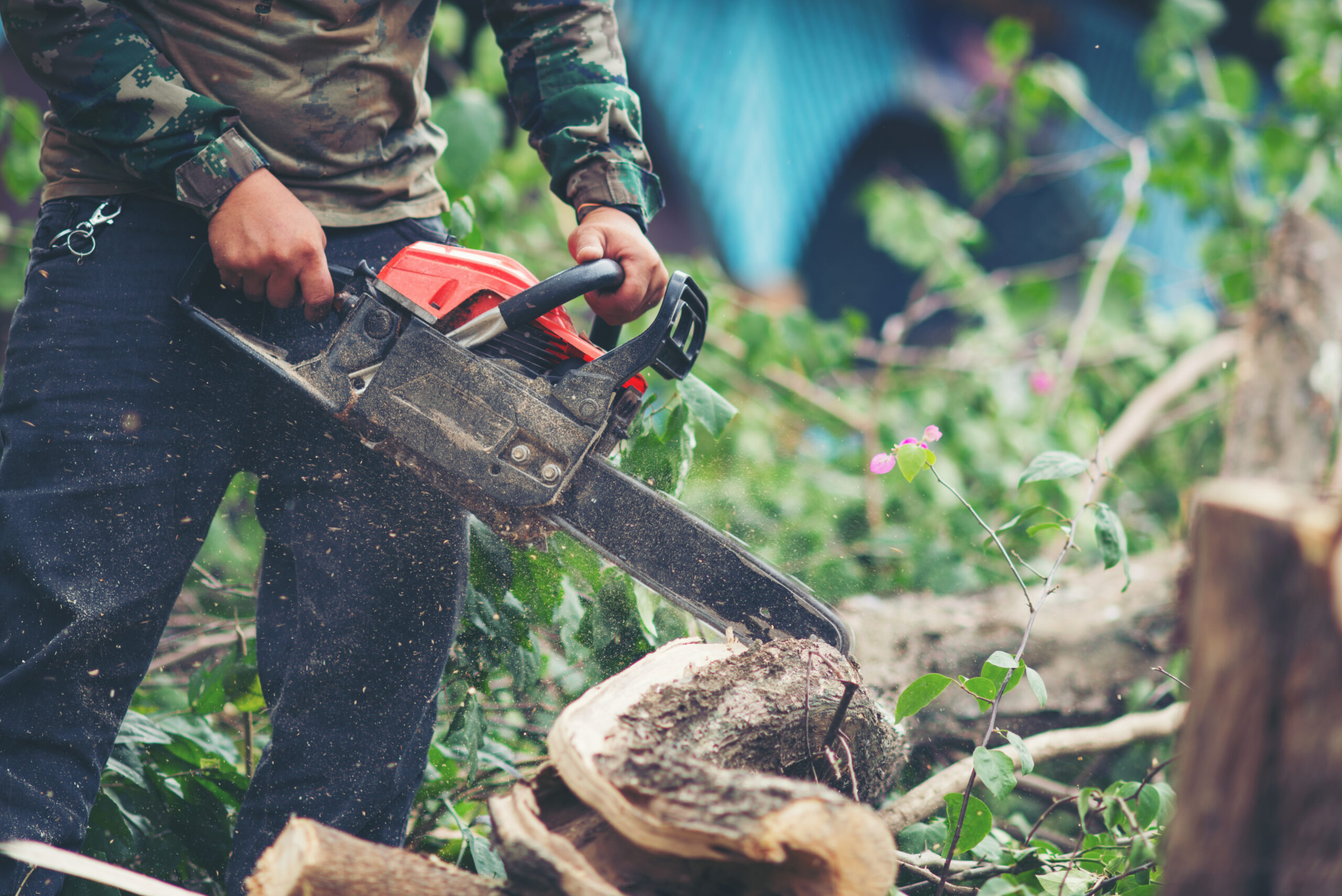
Most Virginia homeowners start asking how much is tree removal per hour the moment they pick up the phone and realize no two quotes look the same. Maybe you have a dead oak sitting in the backyard, or some branches are creeping too close to the roofline. Either way, trying to budget for tree care while comparing local quotes can feel like a guessing game. At Timberbrute, a fully insured removal company, we think you deserve straight answers before any work begins, not after the crew has already packed up and left. Tree care in Virginia covers a lot of ground. Whether you are cleaning up after a coastal storm or just maintaining a residential lot in Richmond or Northern Virginia, the per-hour question tends to come up early in the conversation. Here is something worth knowing, though: even when a company gives you a flat fee, the labor and expertise behind that number is almost always calculated on an hourly basis behind the scenes. Understanding that changes how you read a quote and puts you in a much stronger position when comparing your options. Average Hourly Rates for Professional Tree Removal When looking at the tree removal hourly rate, prices can fluctuate based on the size of the crew and the specialized nature of the work. On average, a professional crew in Virginia will cost anywhere from $200 to $500 per hour. This isn’t just one person with a chainsaw; it’s a team of tree removal professionals utilizing heavy machinery to ensure your home remains undamaged. Arborist hourly charges usually reflect the level of certification and insurance the company carries. A “guy with a truck” might charge less, but a licensed tree service cost includes the peace of mind that comes with workers’ compensation and general liability insurance. Crew Type Estimated Hourly Range Common Services 2-Man Ground Crew $150-$250 Basic pruning, brush clearing 3-Man Crew + Chipper $250-$400 Standard tree take-downs Full Crew + Crane/Bucket $400-$600+ Complex removals, large trees What Impacts the Final Price of the Job? The average cost to cut down a tree isn’t a “one size fits all” figure. Several tree removal estimate factors come into play before a single cut is made. For instance, if a tree is located in a tight spot between two houses, the labor hours will climb because the crew has to move slower to protect your siding and windows. Another factor is what happens after the tree is on the ground. Are you keeping the wood for your fireplace, or do you need it hauled away? If you want the yard to look like we were never there, you’ll need to factor in the stump grinding cost, which often adds a separate flat fee or an additional hour of labor to the total bill. Tree Size, Location, and Risk: Why They Matter In Virginia, our lush landscape features everything from massive white oaks to ornamental dogwoods. The taller and wider the tree, the higher the risk. Tree-cutting specialists have to account for “rigging”—the process of using ropes and pulleys to lower heavy limbs safely. This is a time-consuming process that directly impacts how much tree removal costs per hour. Location is equally vital. If our trucks can’t get close to the tree, we have to carry debris by hand or use smaller loaders. This increases the manual labor hours significantly. When you are looking for how to estimate tree removal, always consider the “drag distance” from the tree to the street. Equipment and Crew Costs Explained A residential tree service involves more than just physical labor; it involves high-tech, expensive machinery. When you hire licensed tree contractors, you are paying for the maintenance and operation of bucket trucks, wood chippers, and sometimes even cranes. The residential tree cutting prices you see on a quote cover: When Hourly Pricing Makes More Sense Than Flat Rates Most homeowners prefer a flat-rate quote so there are no surprises. However, there are times when how much tree removal per hour is actually the fairer way to go. This is common in “technical pruning” or “storm cleanup,” where the scope of work might change as the crew progresses. For example, if you have several smaller trees and a lot of brush to clear, an hourly rate for a “day rate” might be cheaper than individual quotes for every single shrub. Additionally, the cheapest time of year for tree removal usually falls in the winter months (the “dormant season”). During this time, crews are often more flexible with their pricing structures. Ways to Save Money on Safe Tree Removal You don’t have to break the bank to maintain a beautiful yard. While you should never compromise on safety by hiring an uninsured amateur, there are ways to lower your tree removal hourly rate impact: By hiring a company that utilizes certified arborist services, you ensure the job is done right the first time, preventing costly damage to your lawn or home. Frequent Ask Questions Conclusion Understanding the logistics of tree care helps you see past the “sticker shock” and realize the value of professional service. While you might wonder how much tree removal is per hour, the real value lies in the safety, efficiency, and property protection provided by an insured removal company. From the Tree Care Industry Association standards we follow to the local Virginia expertise we bring to every job, Timberbrute is dedicated to keeping your landscape beautiful and safe. Don’t wait until the next storm season to address that leaning tree. Whether you need a simple trim or a complex removal, our team is ready to provide a transparent, fair, and professional tree removal estimate.Ready to clear your property safely? Contact Timberbrute today for a free quote and find out exactly how much tree removal costs per hour for your specific project!