Timberbrute

Does Home Insurance Cover Tree Removal Richmond Storm? What You Need to Know
How to Handle Hazardous Trees Near Your Richmond Home

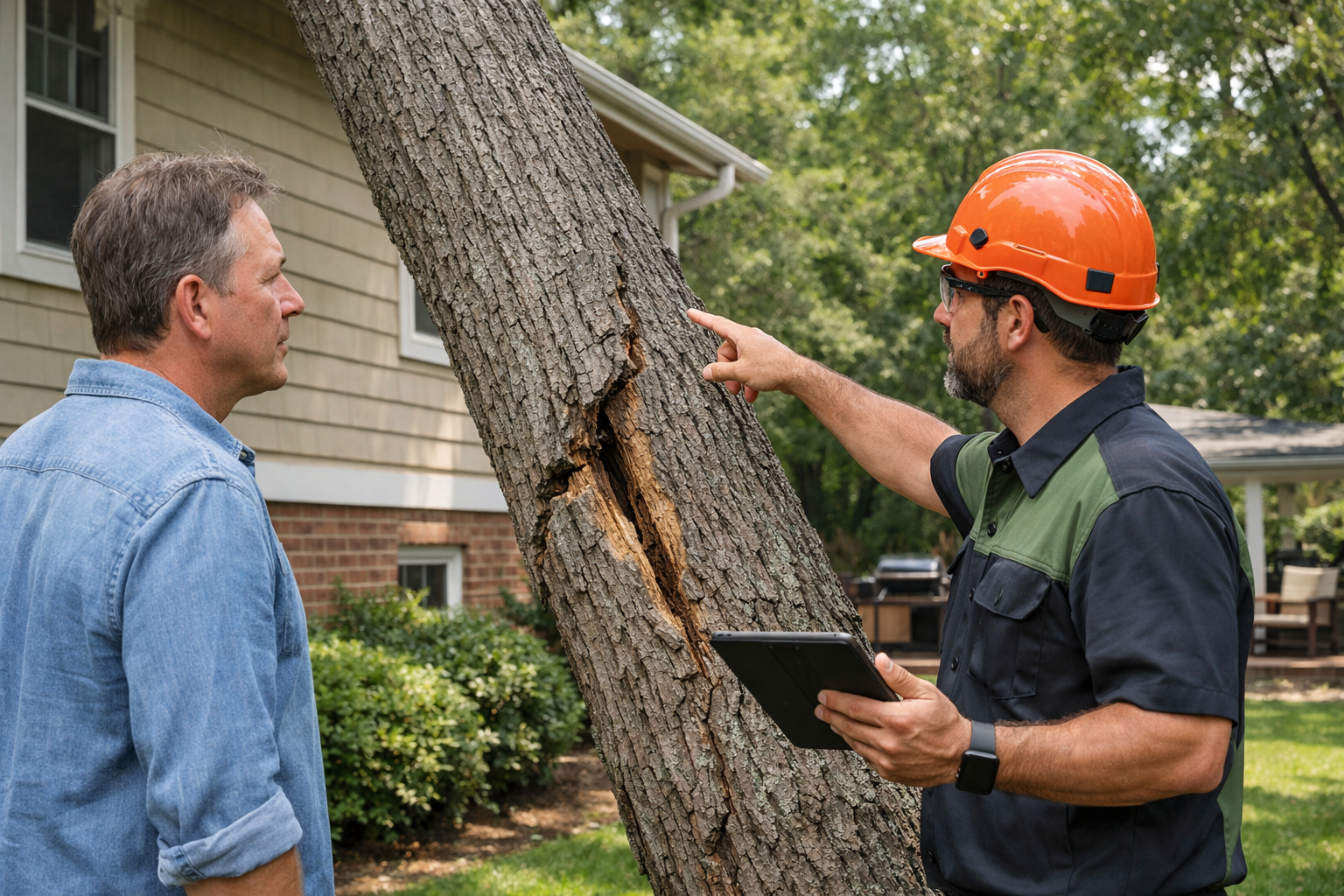
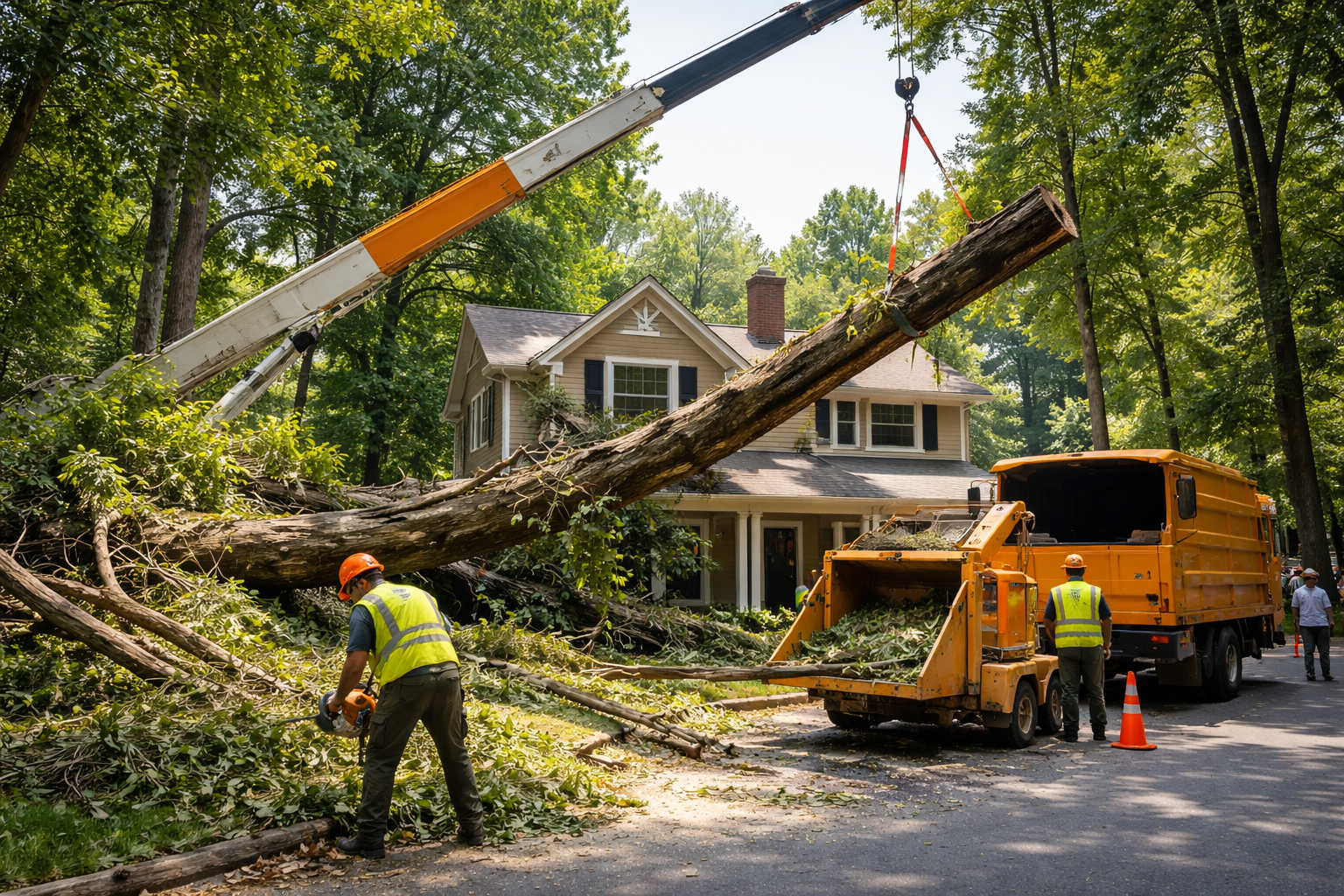
When a massive oak or loblolly pine crashes onto your property during a Richmond storm, the immediate shock is often followed by a much more stressful question: who is going to pay for this? Understanding whether home insurance covers tree removal is the key to navigating the aftermath of a disaster without draining your savings. Because professional tree work in Virginia is both high-risk and high-cost, knowing the specifics of your tree removal coverage is essential for every homeowner. Navigating your policy correctly can be the difference between a seamless, professional cleanup and a massive, unexpected out-of-pocket expense. In this guide, we’ll break down the fine print of homeowners insurance claims so you can protect your wallet and your property. Understanding Home Insurance Policies and Tree Removal When it comes to homeowners insurance tree removal, the rules aren’t always black and white. Generally, insurance is designed to cover “perils”—unexpected events like fire, lightning, or windstorms. Most standard policies include insurance coverage for fallen trees, but there is a catch: the tree usually has to hit a “covered structure.” This includes your house, your garage, or sometimes a fence. If a tree falls in the middle of your yard without hitting anything, your tree removal coverage might be limited or nonexistent. Insurance companies view a tree sitting in the grass as a maintenance issue rather than an emergency. When Does Home Insurance Cover Tree Removal? The most common scenario for a successful claim is storm damage tree removal. In Richmond, we deal with everything from summer thunderstorms to heavy ice sessions that can bring down even the sturdiest limbs. Storm Damage and Property Hits If a healthy tree falls due to wind or ice—referred to as storm damage insurance—and damages your roof, your policy will likely kick in. This covers: Tree Removal After Storm Insurance Most policies provide a specific sub-limit (often around $500 to $1,000) for tree removal after storm insurance cases. This helps clear the debris so the insurance adjuster services can safely inspect the site. What Situations Are Not Covered by Insurance for Tree Removal? Understanding covered vs. non-covered tree removal is vital to avoid a rejected claim. Insurance is for “sudden and accidental” damage, not long-term neglect. Common Insurance Exclusions Preventing claim rejection starts with regular maintenance and tree hazard assessments. How to File a Claim for Tree Removal with Home Insurance The tree removal claim process can feel overwhelming, but following these steps will help you stay organized: The Cost of Tree Removal and Insurance Coverage Explained Many homeowners worry about the financial hit of a falling tree. While,  what is the average cost of tree removal varies based on the size and location of the tree, insurance can significantly offset these costs. If the tree hits your home, the insurance company usually pays for the removal as part of the property damage repairs. However, you will still be responsible for your deductible. Professional tree removal services ensure the job is done safely, preventing further damage that could complicate your claim. We also recommend regular tree hazard assessments to identify “at-risk” trees before they become an expensive insurance headache. Expert Tips for Tree Removal and Insurance Claims To make sure you are fully protected in Richmond, keep these expert tips in mind: Frequent Ask Questions: Conclusion Navigating the world of insurance can be tricky, but knowing when your policy kicks in is the first step toward peace of mind. Whether you are dealing with a fallen oak after a Richmond storm or you’re worried about a potential hazard, being proactive is key. At Timberbrute, we provide professional, safe, and efficient tree removal services in Richmond, Virginia. We can help you assess the situation and provide the documentation you need for your claim. If you have questions about a tree on your property, don’t wait for the next big storm. Contact us today for an assessment and to find out if home insurance covers tree removal for your specific situation.
How to Plant Grass After Tree Removal: Step-by-Step Lawn Recovery Guide

Emergency Tree Removal in Westover Hills, Virginia

Learning how to plant grass after tree removal is essential for homeowners who want to restore the beauty of their landscape. When a large tree is taken down, it leaves behind more than just an empty space; it leaves a complex environment of acidic soil, leftover sawdust, and buried roots that can make new growth difficult. At Timberbrute, we understand that removing the tree is only the first half of the job. To get your yard back to its lush, green state, you need a strategic approach to soil restoration and seed selection. This guide provides a clear roadmap to help you successfully navigate the lawn restoration guide process specifically for theVirginia,d, Virginia climate. Why Grass Struggles After Tree Removal Freshly cleared ground is rarely ready for immediate seeding. One of the primary reasons new blades struggle is the presence of sawdust and wood chips. As these wood particles decompose, they consume vast amounts of nitrogen from the soil. Nitrogen is the exact nutrient grass needs to thrive, so its absence leads to yellow, stunted growth. Additionally, the soil underneath a long-standing tree is often compacted and depleted of nutrients. Years of shade have likely prevented any hearty growth, and the pH balance might be off due to the previous tree species. If you want to fix lawn after tree cutting, you must address these underlying soil issues before spreading a single seed. Preparing the Soil for Fresh Grass Growth The soil enrichment process is the foundation of your success. Start by testing the pH of the dirt in the affected area. Many trees, especially those common in Virginia, can leave the soil slightly acidic. Adding lime can help neutralize the acidity and create a more welcoming environment for new roots. You should also integrate a high-quality organic lawn fertilizer into the site. This helps replenish the nitrogen lost during the decomposition of any remaining organic matter. Once the nutrients are balanced, use yard leveling tools to ensure the area is even with the rest of your lawn. This prevents water from pooling in the “crater” where the tree once stood. Removing Debris, Roots, and Wood Chips Properly One of the most important grass seeding tips after tree removal is to be ruthless with debris. You might be tempted to leave small wood chips behind as mulch, but this is a mistake. Large quantities of wood chips create air pockets that dry out new roots and lead to “mushroom fairy rings” later. Clear the Surface Rake away all visible sawdust and wood fragments. If a stump was groundwouldn, you will likely have a large pile of “stump mulch.” Dig this out and replaa fresh with fresh top soil application to ensure your seeds have a nutrient-rich medium to grow in. Address the Subsurface Root debris removal is equally vital. Use a shovel or a pickaxe to remove any large, shallow roots that remain. These roots will eventually rot and cause the ground to sink, ruining your leveling efforts. Taking the time to prepare soil for grass planting now will save you from having to re-level the yard next season. Choosing the Right Grass Seed for Best Results Selecting the right grass seed varieties depends heavily on the new light conditions of your yard. Now that the tree is gone, an area that was once full shade might be in full sun. In Richmond, we typically recommend a Turf-Type Tall Fescue for its durability and heat resistance. If you are unsure of the best local options, researching what to plant after tree removal can provide deeper insights into both grass and alternative landscaping features. Choosing a high-quality seed ensures that your best way to seed grass leaf efforts lead to long-term success rather than a patchy yard. Step-by-Step Guide to Seeding Your Lawn Foster-by-step instructions for planting grass instructions to ensure a professional finish: If the damage to your yard is extensive, you may need to learn more about how to repair lawn after tree removal to address larger patches of dead grass or heavy equipment tracks. Watering, Care, and Maintenance for New Grass The first two weeks are the most critical for lawn reseeding techniques. You must keep the soil surface consistently moist but not soggy. This usually requires light watering twice a day. Once the grass reaches about two inches in height, you can transition to deeper, less frequent watering to encourage deep root growth. Avoid mowing the new patch until it is at least three inches tall. Ensure your mower blades are sharp so you don’t pull the young, tender plants out of the ground. Proper maintenance is the final step in growing grass after a tree removal journey. For more tips on managing your landscape post-project, check out our guide on what to do with lawn after tree removal. Frequently Asked Questions Conclusion  Restoring your yard doesn’t have to be a stressful DIY project. While the steps above provide a solid foundation, professional landscaping restoration services can ensure the job is done perfectly the first time. At Timberbrute, we specialize in helping Richmond homeowners transition from messy removal sites to pristine, green landscapes. Whether you need expert advice or hands-on help with lawn repair after stump removal, we are here to support your property goals. Contact us today to learn more about our services or explore our other blog guides for more pro tips. Our team is dedicated to making sure you know exactly how to grow grass after tree removal for a yard you can be proud of.

How Soon After Stump Grinding Can You Plant? Timing & Tips Explained

stump grinding

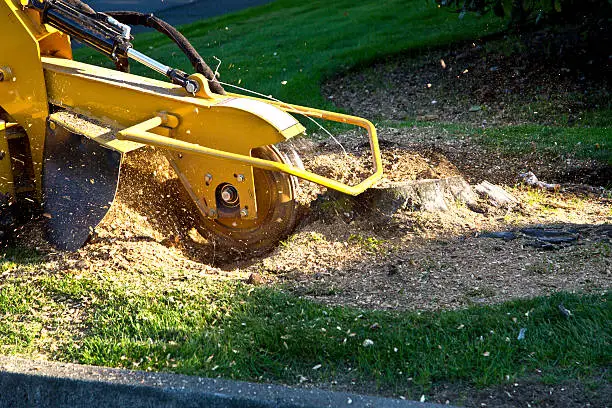
Wondering how soon after stump grinding can you plant is the top question we hear from Richmond homeowners. You’ve cleared that eyesore, and now you’re ready to fix your yard. But rushing can lead to weak growth or yellowing leaves. In Richmond, Virginia, local soil and weather affect how fast your yard heals. Whether you’re laying sod or a new tree, there’s a science to planting after stump grinding. This guide explains waiting times, the soil conditioning process, and how to help your new plants thrive. When Is the Right Time to Plant After Stump Grinding? The short answer is: it depends on what you are planting. If you are looking for the best time to replant after stump removal, you usually have two choices: immediate action with heavy soil modification or waiting 6 to 12 months for nature to take its course. What Happens to Soil After a Stump Is Ground Down? To understand when to plant after stump removal, you have to look beneath the surface. When a professional what is stump grinding service is completed, the machine leaves behind a mix of soil and wood chips. Nitrogen Depletion As tree root remnants and wood chips rot, bacteria consume nitrogen. This “nitrogen vacuum” starves new growth, making grass planting after stump grinding tricky without adding nutrients. Soil Imbalance The stump grinding residue changes the carbon-to-nitrogen ratio. If you plant immediately without treating the area, your new plants may turn yellow and struggle to grow because they are literally being starved of nutrients. Key Factors That Affect Planting Time Several variables influence how quickly you can get back to gardening in your Richmond yard: How to Prepare the Ground for New Planting Success starts with thorough soil preparation after stump grinding. You can’t just throw seeds on a pile of wood chips and expect results. Best Plants and Grass Options for Freshly Cleared Areas Deciding what to plant after tree removal is the fun part. Before you decide on your new landscape design, make sure you understand the difference between stump grinding vs. stump removal: which is better? as it greatly impacts your planting depth. Expert Tips to Boost Healthy Plant Growth To improve soil after stump grinding, follow these professional stump grinding planting tips: Professional Help: Utilize yard restoration services to ensure the ground is leveled and the pH is balanced properly. Frequent Ask Questions: Conclusion Restoring your landscape after a tree is gone takes a bit of strategy and patience. While you might be tempted to rush, following the proper landscaping soil preparation steps ensures that your new investment doesn’t wither away. By managing the nitrogen levels and clearing out the stump grinding residue, you can create a vibrant, healthy outdoor space once again. If you’re in the Richmond area and need a professional hand getting your yard ready, Timberbrute is here to help. From precision grinding to expert advice on restoration, we ensure your property is primed for its next chapter. Contact Timberbrute today for a free consultation and let us help you figure out how soon after stump grinding can you plant.

How to Kill Tree Roots After Stump Removal: Simple and Effective Methods?

stump removal in Brandermill

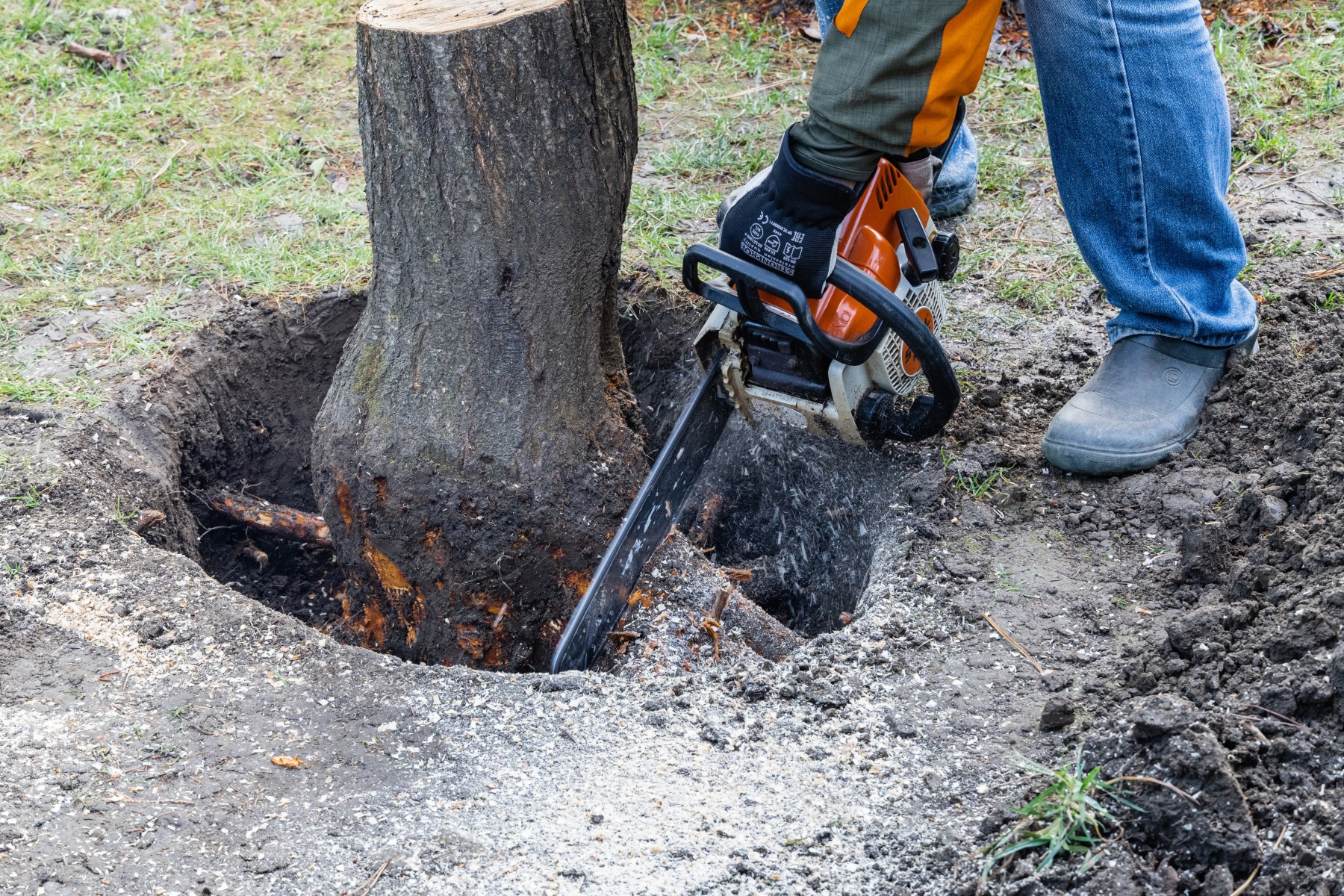
Knowing how to kill tree roots after stump removal is the final, essential step in reclaiming your yard and ensuring that a removed tree doesn’t “ghost” you with unwanted regrowth. Many homeowners in Richmond, Virginia, assume that once the main trunk is gone, the job is finished. However, a tree’s root system can extend far beyond the drip line, often remaining alive and active long after the visible stump has been ground down. If left untreated, these lingering roots can cause a variety of headaches, from sprouting “sucker” trees to damaging underground pipes. In this guide, we will walk you through the most effective ways to eliminate tree roots effectively so you can move forward with your landscaping projects. Why It’s Important to Kill Tree Roots After Stump Removal When you invest in what is tree stump removal, you’re usually looking for a clean slate. However, certain species (like maples or elms) are stubborn. Their roots contain energy reserves that allow them to send up new shoots even without a trunk. Here is why you shouldn’t skip this step: Understanding is tree stump removal necessary often comes down to these long-term root problems after stump removal. Natural Methods to Eliminate Tree Roots If you prefer to avoid harsh toxins in your Richmond garden, there are several natural root-killing methods that are safe for the environment and your pets. 1. Epsom Salt or Rock Salt Salt works by pulling moisture out of the wood, effectively dehydrating the root system. 2. Boiling Water and Light Deprivation For smaller, shallow roots, scalding them with boiling water can shock the system. Additionally, covering the area with a heavy black plastic tarp or thick mulch cuts off the “suckers” from sunlight, which is one of the best root removal techniques for those who have the luxury of time. Chemical Solutions for Killing Tree Roots Safely For faster results, chemical treatments for tree roots are often the go-to choice. These are designed to travel down into the vascular system of the plant to ensure the entire network dies off. Commercial Herbicides Products containing glyphosate or triclopyr are the most effective chemical root killers. How to Speed Up the Decay Process of Tree Roots If you don’t want to wait years for nature to take its course, you can implement fast tree root decay solutions by changing the environment underground. Common Mistakes to Avoid When Killing Tree Roots Even the best DIY efforts can fail if you make these common errors: Professional Tips for Complete Tree Root Removal Sometimes, the DIY route isn’t enough, especially for massive oaks or trees close to your home’s foundation. This is where tree care services and tree root removal professionals come in. Frequent Ask Questions: Conclusion Mastering how to kill tree roots after stump removal is the key to a healthy, beautiful Richmond landscape. Whether you choose the patience of natural salt treatments or the efficiency of chemical root killers, the goal is the same: preventing regrowth and protecting your property. Don’t let underground roots ruin your new patio or lawn. If the job feels too big or you want to ensure it’s done right the first time, Timberbrute is here to help. We offer expert tree care services and professional stump removal and root treatment across the Richmond area. Ready to clear your yard for good? Contact Timberbrute today for a free quote on professional stump and root removal! By following these steps, you’ll finally know exactly how to kill tree roots after stump removal.