
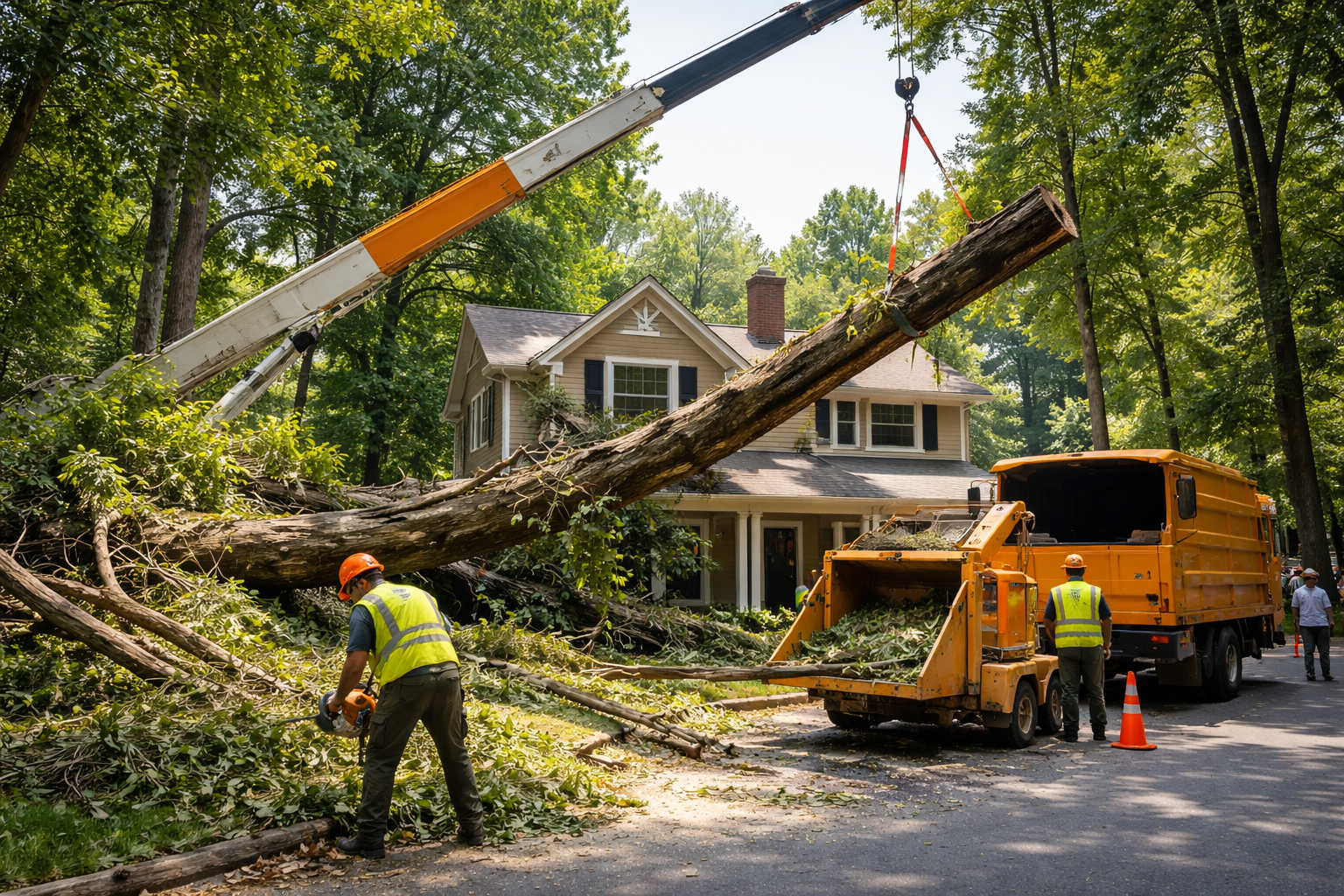
Learning how to plant grass after tree removal is essential for homeowners who want to restore the beauty of their landscape. When a large tree is taken down, it leaves behind more than just an empty space; it leaves a complex environment of acidic soil, leftover sawdust, and buried roots that can make new growth difficult.
At Timberbrute, we understand that removing the tree is only the first half of the job. To get your yard back to its lush, green state, you need a strategic approach to soil restoration and seed selection. This guide provides a clear roadmap to help you successfully navigate the lawn restoration guide process specifically for theVirginia,d, Virginia climate.
Why Grass Struggles After Tree Removal
Freshly cleared ground is rarely ready for immediate seeding. One of the primary reasons new blades struggle is the presence of sawdust and wood chips. As these wood particles decompose, they consume vast amounts of nitrogen from the soil. Nitrogen is the exact nutrient grass needs to thrive, so its absence leads to yellow, stunted growth.
Additionally, the soil underneath a long-standing tree is often compacted and depleted of nutrients. Years of shade have likely prevented any hearty growth, and the pH balance might be off due to the previous tree species. If you want to fix lawn after tree cutting, you must address these underlying soil issues before spreading a single seed.
Preparing the Soil for Fresh Grass Growth
The soil enrichment process is the foundation of your success. Start by testing the pH of the dirt in the affected area. Many trees, especially those common in Virginia, can leave the soil slightly acidic. Adding lime can help neutralize the acidity and create a more welcoming environment for new roots.
You should also integrate a high-quality organic lawn fertilizer into the site. This helps replenish the nitrogen lost during the decomposition of any remaining organic matter. Once the nutrients are balanced, use yard leveling tools to ensure the area is even with the rest of your lawn. This prevents water from pooling in the “crater” where the tree once stood.
Removing Debris, Roots, and Wood Chips Properly
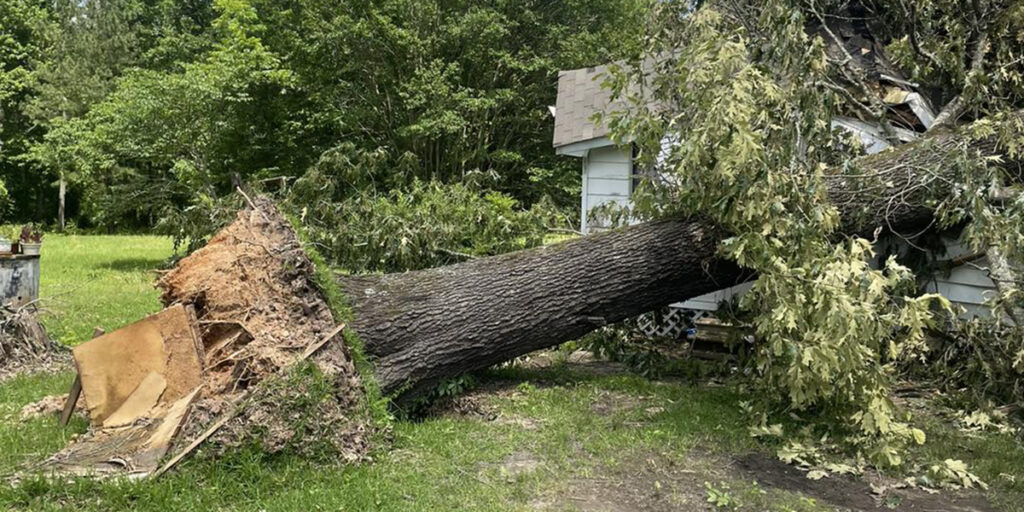
One of the most important grass seeding tips after tree removal is to be ruthless with debris. You might be tempted to leave small wood chips behind as mulch, but this is a mistake. Large quantities of wood chips create air pockets that dry out new roots and lead to “mushroom fairy rings” later.
Clear the Surface
Rake away all visible sawdust and wood fragments. If a stump was groundwouldn, you will likely have a large pile of “stump mulch.” Dig this out and replaa fresh with fresh top soil application to ensure your seeds have a nutrient-rich medium to grow in.
Address the Subsurface
Root debris removal is equally vital. Use a shovel or a pickaxe to remove any large, shallow roots that remain. These roots will eventually rot and cause the ground to sink, ruining your leveling efforts. Taking the time to prepare soil for grass planting now will save you from having to re-level the yard next season.
Choosing the Right Grass Seed for Best Results
Selecting the right grass seed varieties depends heavily on the new light conditions of your yard. Now that the tree is gone, an area that was once full shade might be in full sun. In Richmond, we typically recommend a Turf-Type Tall Fescue for its durability and heat resistance.
If you are unsure of the best local options, researching what to plant after tree removal can provide deeper insights into both grass and alternative landscaping features. Choosing a high-quality seed ensures that your best way to seed grass leaf efforts lead to long-term success rather than a patchy yard.
Step-by-Step Guide to Seeding Your Lawn
Foster-by-step instructions for planting grass instructions to ensure a professional finish:
- Level the Area: Fill the hole with a mixture of 80% topsoil and 20% compost.
- Firm the Soil: Lightly tread on the area or use a lawn roller to prevent future settling.
- Spread the Seed: Use a hand spreader to apply the seed evenly at the rate recommended on the packaging.
- Rake Lightly: Gently rake the seeds into the top quarter-inch of soil. Seed-to-soil contact is the most important factor for germination.
- Protect the Site: Lightly cover the area with weed-free straw to keep moisture in and birds out.
If the damage to your yard is extensive, you may need to learn more about how to repair lawn after tree removal to address larger patches of dead grass or heavy equipment tracks.
Watering, Care, and Maintenance for New Grass
The first two weeks are the most critical for lawn reseeding techniques. You must keep the soil surface consistently moist but not soggy. This usually requires light watering twice a day. Once the grass reaches about two inches in height, you can transition to deeper, less frequent watering to encourage deep root growth.
Avoid mowing the new patch until it is at least three inches tall. Ensure your mower blades are sharp so you don’t pull the young, tender plants out of the ground. Proper maintenance is the final step in growing grass after a tree removal journey. For more tips on managing your landscape post-project, check out our guide on what to do with lawn after tree removal.
Frequently Asked Questions
1. Can I plant grass immediately after tree removal?
It is possible but not recommended. It is better to wait at least a few weeks to allow the soil to settle and to ensure you have properly balanced the nitrogen levels after removing wood debris.
2. Do I need to remove all wood chips before planting grass?
Yes, you should remove as many as possible. Wood chips rob the soil of nitrogen as they decay and can create unstable ground that leads to sinkholes in your lawn.
3. What type of grass grows best after tree removal?
In the Richmond area, Tall Fescue is generally the most successful. However, if the area still receives some shade from nearby structures, a fescue mix designed for sun and shade is a great choice.
4. How long does it take for grass to grow after seeding?
You should see sprouts within 7 to 21 days depending on the grass variety and weather conditions. It typically takes a full growing season for the patch to fully blend with the rest of the lawn.
5. Should I add fertilizer after planting grass?
Yes, use a “starter fertilizer” that is high in phosphorus to support root development. Avoid standard high-nitrogen fertilizers until the grass has been mowed at least twice.
Conclusion
Restoring your yard doesn’t have to be a stressful DIY project. While the steps above provide a solid foundation, professional landscaping restoration services can ensure the job is done perfectly the first time. At Timberbrute, we specialize in helping Richmond homeowners transition from messy removal sites to pristine, green landscapes.
Whether you need expert advice or hands-on help with lawn repair after stump removal, we are here to support your property goals. Contact us today to learn more about our services or explore our other blog guides for more pro tips. Our team is dedicated to making sure you know exactly how to grow grass after tree removal for a yard you can be proud of.