
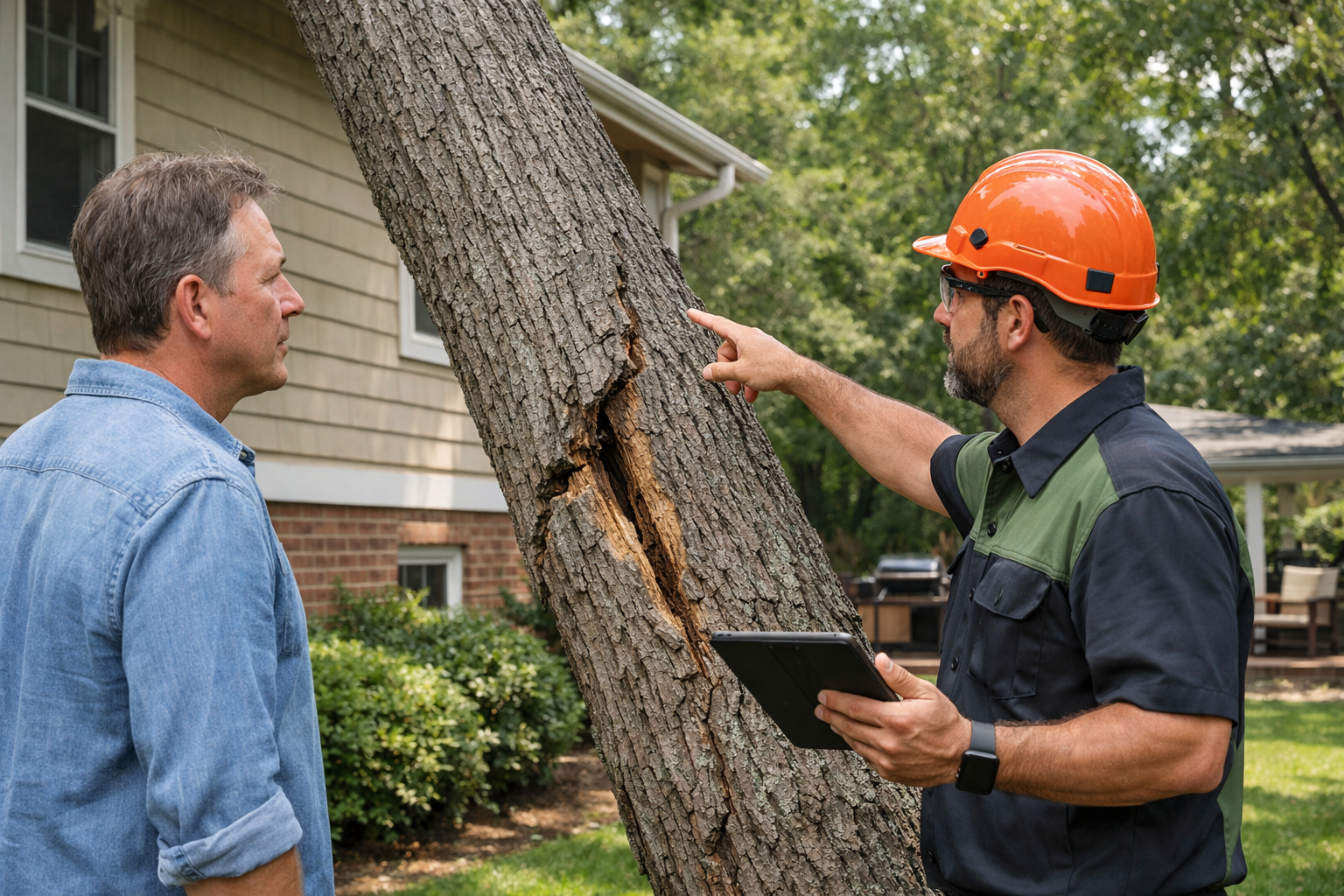
When a massive oak or loblolly pine crashes onto your property during a Richmond storm, the immediate shock is often followed by a much more stressful question: who is going to pay for this? Understanding whether home insurance covers tree removal is the key to navigating the aftermath of a disaster without draining your savings.
Because professional tree work in Virginia is both high-risk and high-cost, knowing the specifics of your tree removal coverage is essential for every homeowner. Navigating your policy correctly can be the difference between a seamless, professional cleanup and a massive, unexpected out-of-pocket expense.
In this guide, we’ll break down the fine print of homeowners insurance claims so you can protect your wallet and your property.
Understanding Home Insurance Policies and Tree Removal
When it comes to homeowners insurance tree removal, the rules aren’t always black and white. Generally, insurance is designed to cover “perils”—unexpected events like fire, lightning, or windstorms.
Most standard policies include insurance coverage for fallen trees, but there is a catch: the tree usually has to hit a “covered structure.” This includes your house, your garage, or sometimes a fence.
If a tree falls in the middle of your yard without hitting anything, your tree removal coverage might be limited or nonexistent. Insurance companies view a tree sitting in the grass as a maintenance issue rather than an emergency.
When Does Home Insurance Cover Tree Removal?
The most common scenario for a successful claim is storm damage tree removal. In Richmond, we deal with everything from summer thunderstorms to heavy ice sessions that can bring down even the sturdiest limbs.
Storm Damage and Property Hits
If a healthy tree falls due to wind or ice—referred to as storm damage insurance—and damages your roof, your policy will likely kick in. This covers:
- Property damage tree removal: Taking the tree off the house so repairs can begin.
- Property damage repairs: Fixing the actual structural damage to the home.
Tree Removal After Storm Insurance
Most policies provide a specific sub-limit (often around $500 to $1,000) for tree removal after storm insurance cases. This helps clear the debris so the insurance adjuster services can safely inspect the site.
What Situations Are Not Covered by Insurance for Tree Removal?
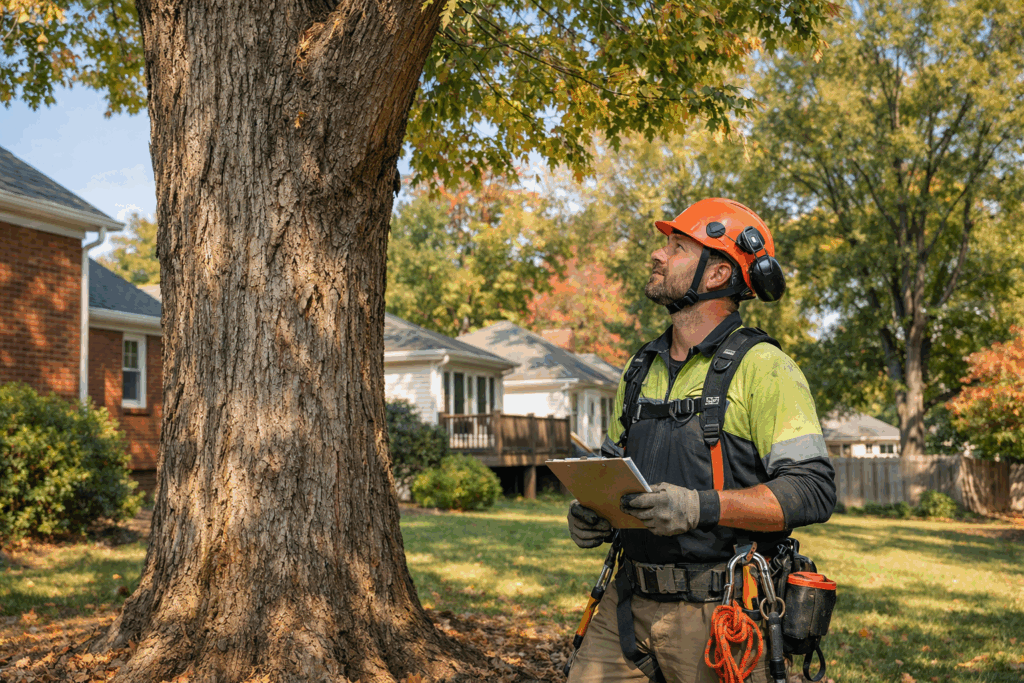
Understanding covered vs. non-covered tree removal is vital to avoid a rejected claim. Insurance is for “sudden and accidental” damage, not long-term neglect.
Common Insurance Exclusions
- Maintenance Issues: If a tree was dead or rotting for years and finally fell, the insurance company may cite “owner negligence.”
- Leaning Trees: Most policies do not cover leaning trees that haven’t fallen yet. Even if it looks scary, it’s considered preventative maintenance.
- No Structural Damage: If a tree falls in an open field on your property, it rarely qualifies for a claim.
Preventing claim rejection starts with regular maintenance and tree hazard assessments.
How to File a Claim for Tree Removal with Home Insurance
The tree removal claim process can feel overwhelming, but following these steps will help you stay organized:
- Document Everything: Take high-quality photos of the tree, the damage it caused, and any surrounding areas.
- Prevent Further Damage: If there is a hole in your roof, cover it with a tarp, but do not attempt to move the tree yourself.
- Contact Your Provider: Start filing a claim for tree removal immediately to get an adjuster assigned to your case.
- Work with Professionals: Hire a reputable company like Timberbrute that understands how to work with insurance adjuster services to provide accurate estimates.
The Cost of Tree Removal and Insurance Coverage Explained
Many homeowners worry about the financial hit of a falling tree. While, what is the average cost of tree removal varies based on the size and location of the tree, insurance can significantly offset these costs.
If the tree hits your home, the insurance company usually pays for the removal as part of the property damage repairs. However, you will still be responsible for your deductible.
Professional tree removal services ensure the job is done safely, preventing further damage that could complicate your claim. We also recommend regular tree hazard assessments to identify “at-risk” trees before they become an expensive insurance headache.
Expert Tips for Tree Removal and Insurance Claims
To make sure you are fully protected in Richmond, keep these expert tips in mind:
- Keep Records: Save receipts for any pruning or health checks you’ve had done. This proves you weren’t negligent.
- Check Your Fence: Ask your agent, “does house insurance cover tree removal?” specifically for your fence, as some policies treat “other structures” differently.
- Timing Matters: If a tree looks unstable but hasn’t fallen, don’t wait for a storm. Knowing what is the cheapest time of year for tree removal can help you save money on preventative care.
- Richmond Climate: Our local humidity can lead to root rot. If you notice mushrooms at the base of your tree, call a pro immediately.
Frequent Ask Questions:
1. Does homeowners insurance cover tree removal after a storm?
Yes, usually. If a storm causes a tree to fall on a covered structure (like your home), insurance typically covers the cost of removal and repairs, minus your deductible.
2. Does insurance cover tree removal if the tree is just leaning?
Generally, no. A leaning tree is considered a maintenance issue. Insurance is intended to cover damage that has already happened, not to prevent potential future damage.
3. What if a tree falls on my fence?
Most policies cover trees that fall on fences, but the payout might be limited. Check your “Other Structures” coverage in your policy for specific details.
4. Can I remove a tree myself and file an insurance claim later?
It is not recommended. Insurance companies prefer that you use professional tree removal services to ensure the job is done safely and documented correctly for the insurance adjuster services.
5. Are there any exclusions for tree removal under homeowners insurance?
Yes. Insurance exclusions typically include trees that fall due to neglect (rot or disease) or trees that fall in open areas of your yard without damaging any buildings.
Conclusion
Navigating the world of insurance can be tricky, but knowing when your policy kicks in is the first step toward peace of mind. Whether you are dealing with a fallen oak after a Richmond storm or you’re worried about a potential hazard, being proactive is key. At Timberbrute, we provide professional, safe, and efficient tree removal services in Richmond, Virginia. We can help you assess the situation and provide the documentation you need for your claim. If you have questions about a tree on your property, don’t wait for the next big storm. Contact us today for an assessment and to find out if home insurance covers tree removal for your specific situation.