Timberbrute

Does Tree Removal Increase Property Value?
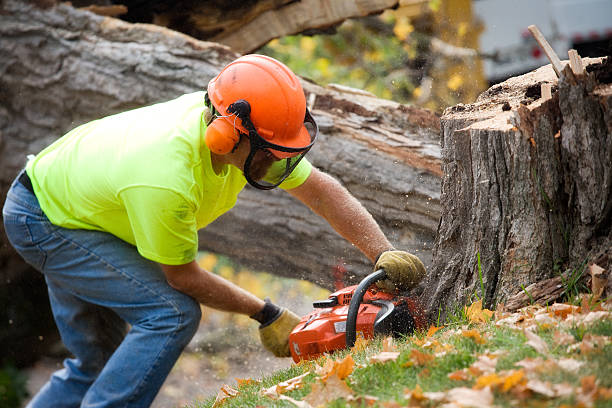
Tree Removal

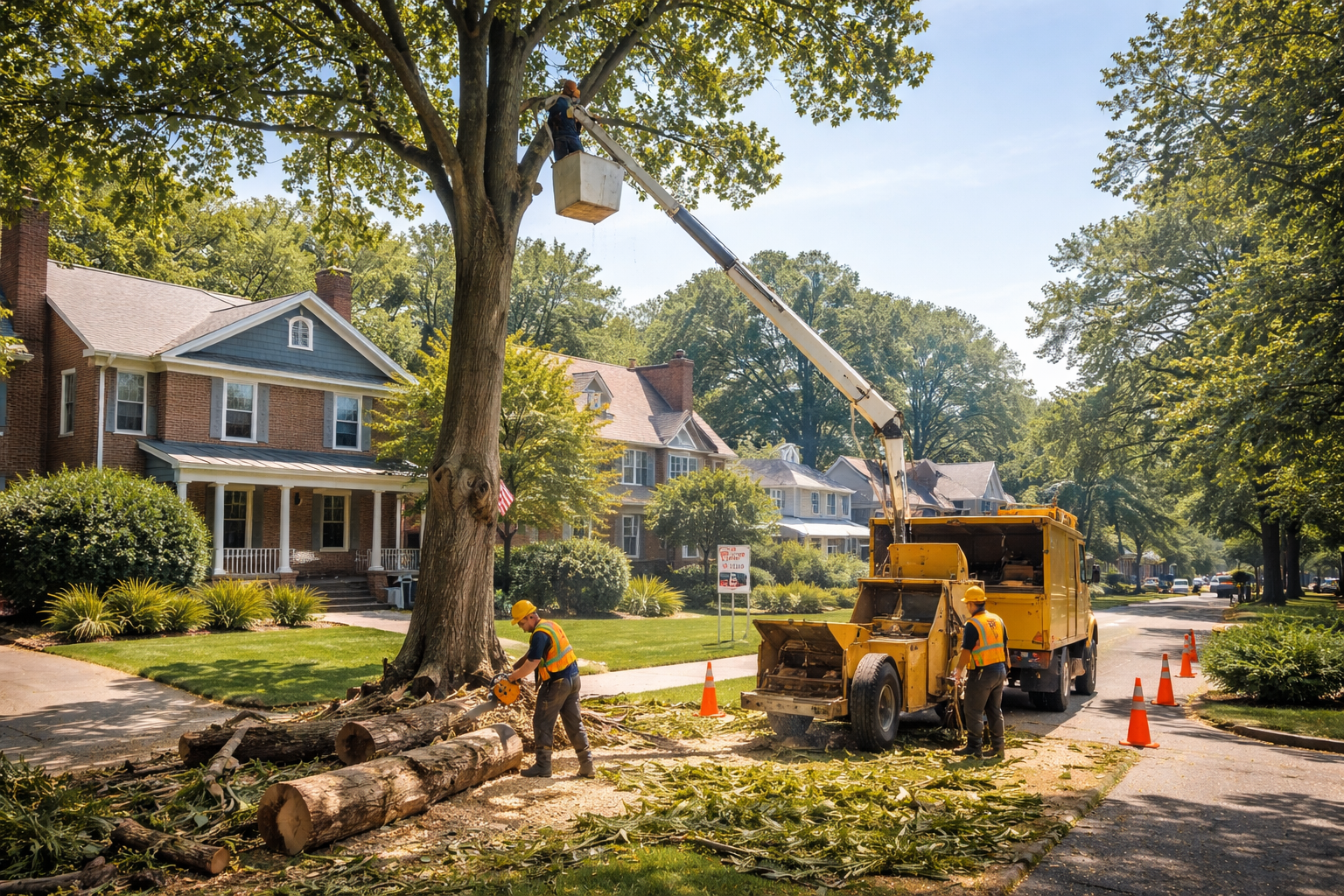
If you’re prepping a historic home in the Fan or a mid-century ranch in Northside, chances are the question has crossed your mind at some point: does tree removal increase property value? We tend to think of trees as automatic assets, and in many cases they are. But a decaying or poorly placed oak can quietly work against you when it comes time to sign a contract. Richmond, Virginia, takes a lot of pride in its lush canopy, and rightfully so, but understanding the impact of tree removal on home price really does come down to strategy. At Timberbrute, we work with homeowners to look at their landscape through two lenses at once, safety and marketability, so that every decision they make about their outdoor property upgrades translates into the strongest possible return. When Removing a Tree Actually Boosts Home Value There are several scenarios where removing trees before listing a house can lead to a higher appraisal and faster sale. If a tree is diseased, leaning precariously over a roof, or blocking a stunning view of the James River, its removal is an immediate property value improvement. Buyers in Richmond look for “turnkey” properties; they don’t want to inherit a $3,000 problem the moment they close. By clearing out trees that crowd the home, you improve real estate curb appeal. This allows natural light to flood the interior, making rooms feel larger and more inviting. Strategic yard work to improve home value often involves thinning out dense growth to highlight the architecture of the house. When a buyer pulls up to the curb, they should see a well-maintained home, not a forest hiding a building. Situations Where Trees Can Hurt Property Appeal Not all greenery is good greenery. In fact, certain landscape value factors can actively drive down interest in your Richmond property. Trees with invasive root systems can buckle sidewalks, crack foundations, or interfere with underground sewer lines—issues that will inevitably trigger red flags during a home inspection. Furthermore, trees that drop excessive debris, like gumballs or heavy sap, can make a yard feel high-maintenance. For a busy family looking at homes in Midlothian or Glen Allen, a “messy” tree represents a weekend of chores they’d rather avoid. In these cases, real estate benefits of tree removal include presenting a clean, manageable outdoor space that appeals to a wider demographic of buyers who prioritize convenience. The Balance Between Landscaping and Resale Price Finding the balance between landscaping and resale price is an art. While a completely bare lot can feel sterile and hot in the Virginia summer, an overcrowded one feels claustrophobic. The goal is to keep high-value, healthy specimens while removing the “filler” growth that adds no aesthetic or functional value. If you are wondering, “Should I cut down a tree before selling?” consider the overall symmetry of your lot. Healthy, mature trees can add up to 20% to a home’s value, but only if they are positioned correctly. Landscaping changes that raise value often involve removing smaller, scrubby trees to give the majestic white oaks or maples room to breathe. This creates a curated, intentional look that signals the property has been professionally cared for. Safety Risks Buyers Notice Immediately In Richmond, we are no strangers to intense storm seasons. Buyers are increasingly savvy about the risks posed by large, aging trees during high winds. A dead or dying tree is a glaring “safety risk” that can halt a sale in its tracks. A professional yard safety assessment can identify hollow trunks or fungal growth that the untrained eye might miss. Removing a hazardous tree is often a prerequisite for obtaining favorable homeowners insurance rates. The tree removal impact on your policy premiums can be significant, especially when insurers flag high-risk trees during annual reviews. If a buyer’s inspector notes a “danger tree” hanging over the power lines or the master bedroom, they will likely demand a price credit or insist on removal before closing. By taking care of it now, you maintain control over the process and the cost, ensuring a smoother transaction. You can learn more about how tree removal affects property value in Richmond neighborhoods to see how local trends impact your specific area. How Yard Improvements Influence Market Perception The way a yard is presented speaks volumes about the interior of the home. Improve home value. Yard work isn’t just about the trees themselves; it’s about the “vibe” of the property. A yard that feels open and sunny suggests a home that is bright and well-ventilated. When you invest in outdoor property upgrades, you are selling a lifestyle. A cleared backyard creates space for a fire pit, a patio, or a play area for kids. In the competitive Richmond real estate market, these functional spaces are often more valuable than the trees they replaced. If you are dealing with trees near a fence or boundary, it is also vital to understand who is responsible for tree removal on your property line to avoid legal headaches during the sale. Expert Tips to Maximize Property Worth After Removal To truly have removing trees add value, you must follow through with the “after” care. Simply cutting down a tree and leaving a stump is a job half-done. For maximum property value improvement, you should: Before the crew arrives, make sure you know how to prepare your Richmond property for professional tree removal to ensure the process goes smoothly without damaging your lawn or existing landscaping. Frequent Ask Questions: Conclusion Determining whether a tree stays or goes is a critical part of home resale preparation. While trees provide beauty and shade, the real estate benefits of removing hazardous or unsightly growth cannot be ignored. By focusing on safety, light, and usability, you can significantly enhance the impact of tree removal on home price. At Timberbrute, we are proud to be Richmond’s local authority on tree care. We don’t just cut trees; we help you curate a landscape that adds lasting value to your property. If … Read more
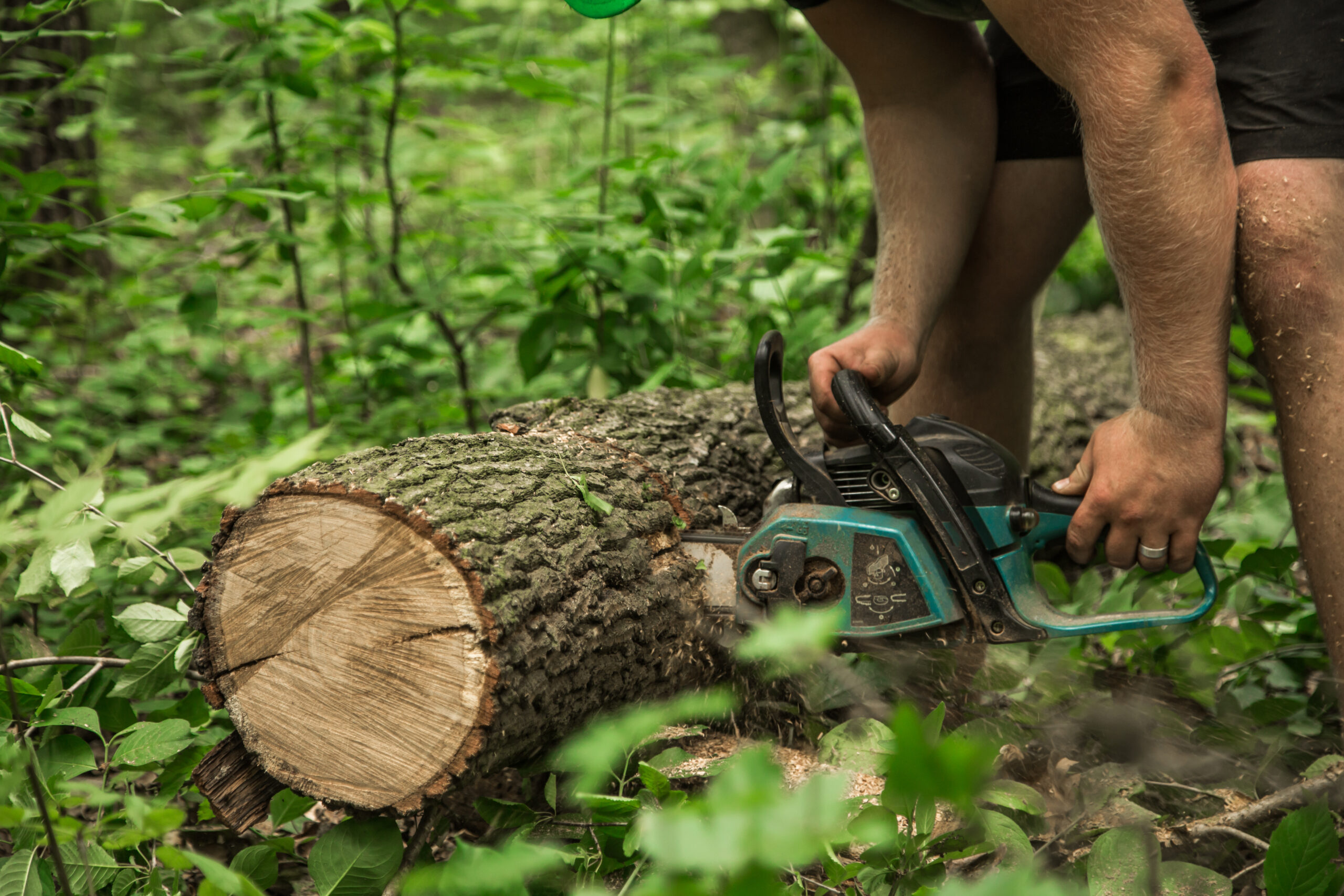
What Is the Average Cost of Tree Removal?

Tree Removal

Knowing what the average cost of tree removal is gives any Richmond, Virginia, homeowner a real head start when it comes to keeping their property safe and looking its best. Whether you’re dealing with a dead oak in Midlothian or a storm-damaged maple in The Fan, price is usually what determines how quickly you move forward. At Timberbrute, we’ve always believed that being upfront about residential tree service pricing helps our neighbors make smarter decisions, ones that protect both their homes and their budgets. Here in Richmond, tree removal is rarely a “one size fits all” expense. Local factors play a bigger role than most people realize. Our humid subtropical climate pushes trees to grow fast, and the specific species native to Virginia each come with their own challenges on the job. All of that ends up reflected in the final invoice. Once you understand the variables that drive tree cutting service charges, the numbers start to make a lot more sense, and you’re far less likely to be caught off guard when you receive a tree removal price estimate. Average Tree Removal Prices Explained Simply When researching how much tree removal costs, most homeowners find that national averages only tell half the story. In Richmond, the average price to cut a tree typically ranges from $200 to $2,000 or more. This broad spectrum exists because every job carries a unique level of risk and labor. Small trees or shrubs that can be handled from the ground are on the lower end of the scale. However, when you require a cost to remove large tree specimens—such as the massive white oaks common in older Richmond neighborhoods—the price increases significantly. These projects require specialized rigging, heavy machinery, and more man-hours to complete safely. Key Factors That Affect Removal Costs Several critical removal cost factors influence the final quote you receive from a reputable tree service provider. Understanding these helps you see why two neighbors might pay vastly different prices for what looks like the same service. Price Breakdown by Tree Size and Height Size is the most consistent indicator of professional removal fees. Most companies categorize trees into small, medium, and large brackets. To help you plan your budget, here is a general tree-size cost chart specifically for the Richmond, Virginia, market. Estimated Tree Removal Pricing Guide Tree Size Height Range Estimated Price Range Small Under 30 feet $200–$500 Medium 30-60 feet $500 –$1,200 Large 60-100 feet $1,200- $2,000+ Extra Large Over 100 feet $2,000-$5,000+ Note: These are estimates. For an exact figure, you should always know how to estimate tree removal. by requesting an on-site consultation. Hidden Fees Homeowners Often Overlook When you receive a tree removal price estimate, it is vital to check what is included in the “fine print.” Many homeowners are surprised by additional yard maintenance costs that weren’t part of the initial verbal quote. Common “add-ons” include stump grinding, wood splitting, and debris hauling. Some companies will cut the tree down but leave the heavy logs in your yard unless you pay an extra fee for disposal. Before you sign a contract, you should know how to hire a tree removal service that provides a comprehensive, all-in estimate. At Timberbrute, we clear up these details upfront so there are no surprises when the job is done. Ways to Save Money on Tree Removal While professional tree work is an investment, there are strategic ways to reduce your total spend. One of the best methods is timing. Many people don’t realize that there is a time of year that is cheapest for tree removal. Generally, “dormant season” (late autumn and winter) is the most affordable time because leaves are gone, making the wood lighter and easier to handle. Other ways to save include: When Paying More Actually Saves You Money It can be tempting to go with the lowest bidder—often a “guy with a chainsaw and a truck”—but in the tree industry, the cheapest price is often the most expensive mistake. Professional removal fees cover more than just labor; they cover insurance and expertise. If an uninsured worker gets injured on your property or drops a limb on your neighbor’s roof, you as the homeowner could be held liable. Paying for a licensed, insured, and highly rated company like Timberbrute ensures that you are protected from these massive financial risks. In the long run, the peace of mind that comes from a safe, professional job is worth every penny. Frequently Asked Questions Conclusion Navigating the costs of property maintenance in Richmond, Virginia, requires a balance of budget and safety. While the height, species, and location of your tree will ultimately dictate the price, being informed about removal cost factors ensures you aren’t overcharged. Timberbrute is dedicated to providing the Richmond community with honest, expert service that prioritizes property safety above all else. Don’t leave your property to chance or guess at the numbers. Contact Timberbrute today for a professional, accurate tree removal price estimate in Richmond, Virginia. Our team is ready to help you understand exactly how much it costs for tree removal on your specific property. For a complete breakdown, learn more about how much does stump removal cost and what factors influence pricing.

6 Tips on How to Find a Good Tree Removal Service

Tree Removal Service

Learning how to find a good tree removal service is essential for homeowners in Richmond, Virginia, especially given our region’s susceptibility to sudden summer storms and heavy winter ice. When a massive oak or maple leans precariously over your roof, the pressure to hire the first person with a chainsaw is high. However, rushing this decision can lead to property damage, legal liabilities, or skyrocketing costs. In this guide, we will walk you through the essential steps to choose a reliable tree company that prioritizes safety and professionalism. From verifying credentials to understanding local permits, these tips ensure your property remains a safe haven. Warning Signs of an Unreliable Tree Service Not every person with a truck and a ladder is a qualified professional. In the tree care industry, “door-knockers” often appear after a major storm in Richmond, offering suspiciously low rates for immediate work. This is a major red flag. Be wary of companies that demand payment in full upfront or those who lack a physical business address. A reputable tree service provider will always provide a written contract and won’t pressure you into a snap decision. Furthermore, if a crew lacks basic safety gear—like helmets, eye protection, and specialized rigging—they are putting your home and their lives at risk. An amateur mistake on a high-climb removal can result in a tree limb crashing through your ceiling, often leaving you to foot the bill if they aren’t properly covered. Credentials Every Professional Company Should Have When you begin your search for the best tree service near you, credentials are non-negotiable. You aren’t just hiring labor; you are hiring tree removal professionals who manage high-risk machinery and heavy weights. By focusing on these standards, you ensure you hire qualified tree specialists who understand the structural integrity of Virginia’s native species. Questions Smart Homeowners Always Ask First Before any equipment starts up, you need to have a clear dialogue with the contractor. Knowing what to ask when hiring a tree removal service will help you weed out the amateurs from the experts. Ask about their specific equipment. Will they use a crane, or will a climber take the tree down in sections? How will they protect your lawn from heavy tire ruts? A safe tree cutting company will have a clear plan for debris removal and property protection. Additionally, ask about their experience with how to hire a tree removal service regarding local bureaucracy. For example, does your specific project align with Richmond tree removal permit requirements? A local expert will know if you need city approval before the first cut is made. Comparing Quotes Without Getting Overcharged It is standard practice to compare tree removal quotes from at least three different companies. However, the lowest bid isn’t always the best deal. When reviewing estimates, look for a detailed breakdown of costs. Does the quote include stump grinding, or just the tree removal? Is wood hauling included, or will you be left with a giant pile of logs in your driveway? A professional tree care estimate should be transparent. If one quote is significantly lower than the others, they may be cutting corners on insurance or safety equipment. At Timberbrute, we believe in fair, transparent pricing that reflects the high level of safety and expertise we bring to every Richmond job site. Why Experience Matters More Than Low Prices Tree removal is a “get what you pay for” industry. Hiring tree-cutting specialists with years of experience in the Richmond area is vital because our local landscape presents unique challenges. From tight urban lots in The Fan to expansive wooded estates in Chesterfield, experience dictates how a crew handles obstacles like power lines, fences, and underground utilities. An insured removal company with a long-standing reputation offers peace of mind. They provide a property safety service that protects your most valuable asset. Choosing trusted tree removal experts ensures that even the most complex removals are handled with precision, preventing the “accidents” that often plague low-cost, inexperienced crews. Final Checklist Before You Hire Any Tree Crew Before you sign on the dotted line, run through this final checklist to ensure you have found the right residential tree service: Following these steps will help you find professional arborists who value your time and  Frequently Asked Questions Conclusion Finding the right help for your landscape doesn’t have to be a stressful process. By focusing on credentials, asking the right questions, and prioritizing experience over the lowest price, you can protect your home and family. Timberbrute is proud to be a leader in Richmond tree care, offering the expertise and equipment necessary to handle any job safely. If you have a tree that looks unstable or simply needs a professional evaluation, we are here to help. Contact Timberbrute today for a consultation and see why we are the preferred choice for those who want to know how to find a quality tree removal service.

How to Repair a Lawn After Tree Removal in the United States—Step-by-Step Guide

Lawn After Tree Removal

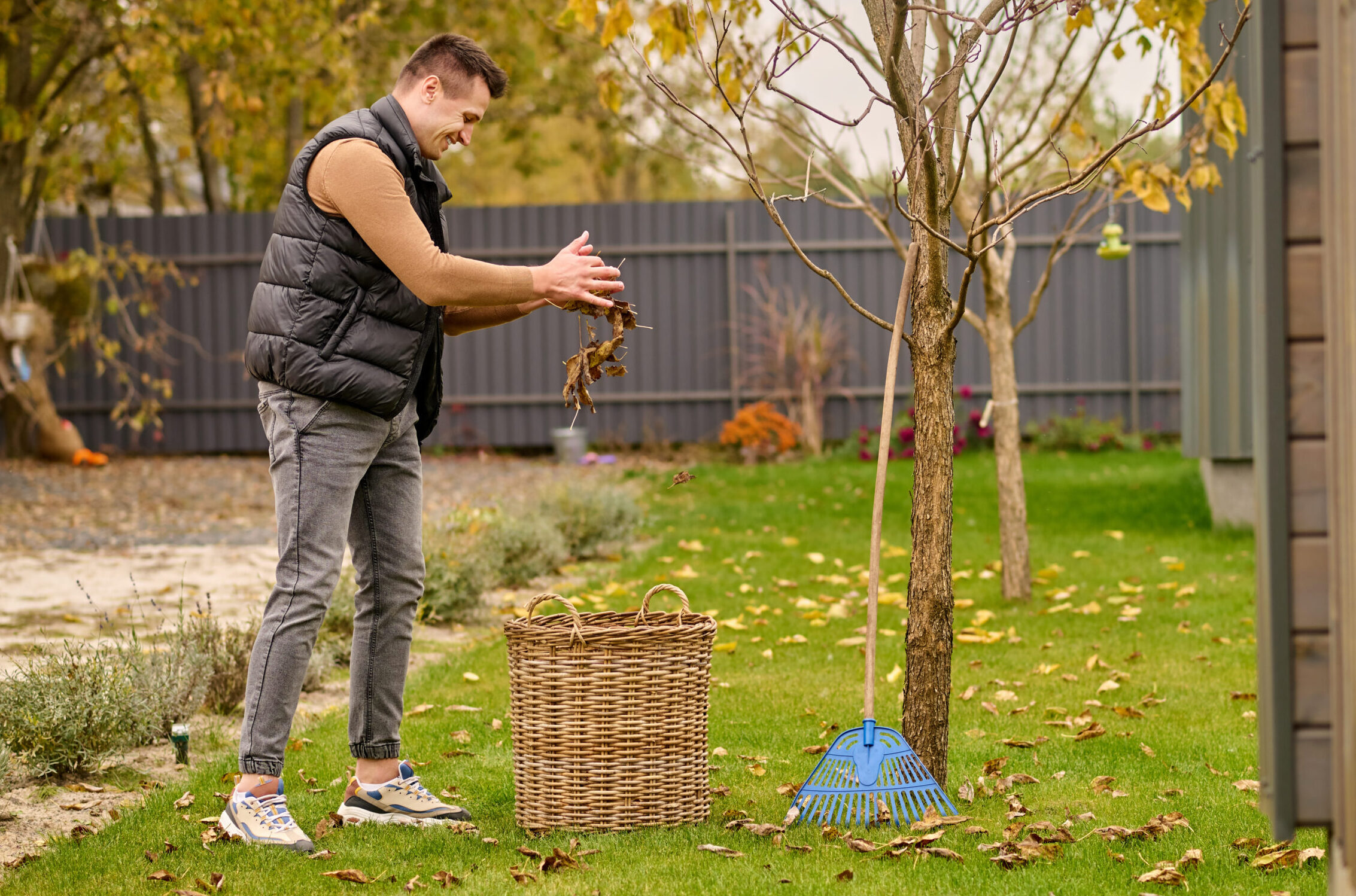
Learning how to repair a lawn after tree removal is essential for any Virginia homeowner who wants to maintain a pristine landscape after a major tree project. When a large oak or maple is taken down in a yard from Richmond to Virginia Beach, the aftermath often includes compacted soil, deep ruts from heavy machinery, and a literal hole in your landscape. Simply throwing some seed on the ground is not enough; you need a strategic lawn restoration process to ensure your turf returns to its former glory. In this guide, we will walk you through the professional steps required to restore yard soil quality and fix the damage left behind by saws, stumps, and wood chips. What Happens to Your Yard After a Tree Is Removed The impact of tree work goes far beyond the missing canopy. Many homeowners wonder, does tree removal include stump grinding? If the stump remains, the surrounding grass will struggle to compete with the decaying wood for nitrogen. Even if the stump is gone, the heavy equipment used during the process often leads to significant soil compaction, which prevents water and oxygen from reaching the roots of your remaining grass. Common Post-Removal Issues: Clearing Debris and Preparing the Ground Properly The first step to fix a lawn after tree cutting is a thorough cleanup. You cannot grow healthy turf on a bed of sawdust. Wood chips are high in carbon and low in nitrogen; as microorganisms break them down, they rob the soil of the nutrients your new grass needs to survive. Steps for Debris Management: Fixing Soil Damage and Filling Deep Holes Once the area is clear, you must fill the hole from tree removal sites correctly to prevent future sinking. You cannot simply use fill dirt, which often lacks the nutrients found in high-quality topsoil. Using proper soil repair methods ensures that your ground surface repair lasts for years without turning into a muddy pit during the next Virginia rainstorm. How to Fill the Hole: Leveling the Surface for a Smooth Lawn Finish After the hole is filled, you need to smooth uneven lawn ground caused by the heavy equipment used during the landscape recovery steps. In Virginia, our red clay can become extremely uneven when wet. Yard leveling techniques are vital here to ensure you do not scalp your grass with the lawnmower later. Professional Leveling Tips: Choosing the Best Grass for Fast Recovery To regrow grass quickly, you must select a variety that matches your existing lawn and the new sunlight conditions. Since the tree is gone, the area likely receives more sun than before. If you are unsure of what to put back, check our guide on what to plant after tree removal. Grass Selection for Virginia: Following a proper grass reseeding guide involves keeping the area moist. You should water lightly twice a day until the new blades are at least two inches tall. Expert Tips to Restore a Healthy, Green Yard True post-tree removal care involves more than just seed. You are looking for long-term turf regrowth solutions. If the area is large, you might consider replanting after tree removal in Richmond with smaller ornamental trees or shrubs instead of just grass. Pro-Level Maintenance: Frequently Asked Questions Conclusion Successfully executing a how-to-repair-lawn-after-tree-removal project requires patience and the right materials. By focusing on removing debris, fixing soil compaction, and choosing the right seed, you can turn a scarred patch of dirt back into a beautiful, functional part of your landscape. At Timberbrute, we are dedicated to helping Virginia property owners navigate the entire lifecycle of tree care, from initial removal to the final blade of grass. If the damage to your yard feels overwhelming, or you need professional excavation to clear a site properly, our team is here to help.

What Size Excavator for Stump Removal in Virginia? Complete Equipment Guide

excavator for stump removal

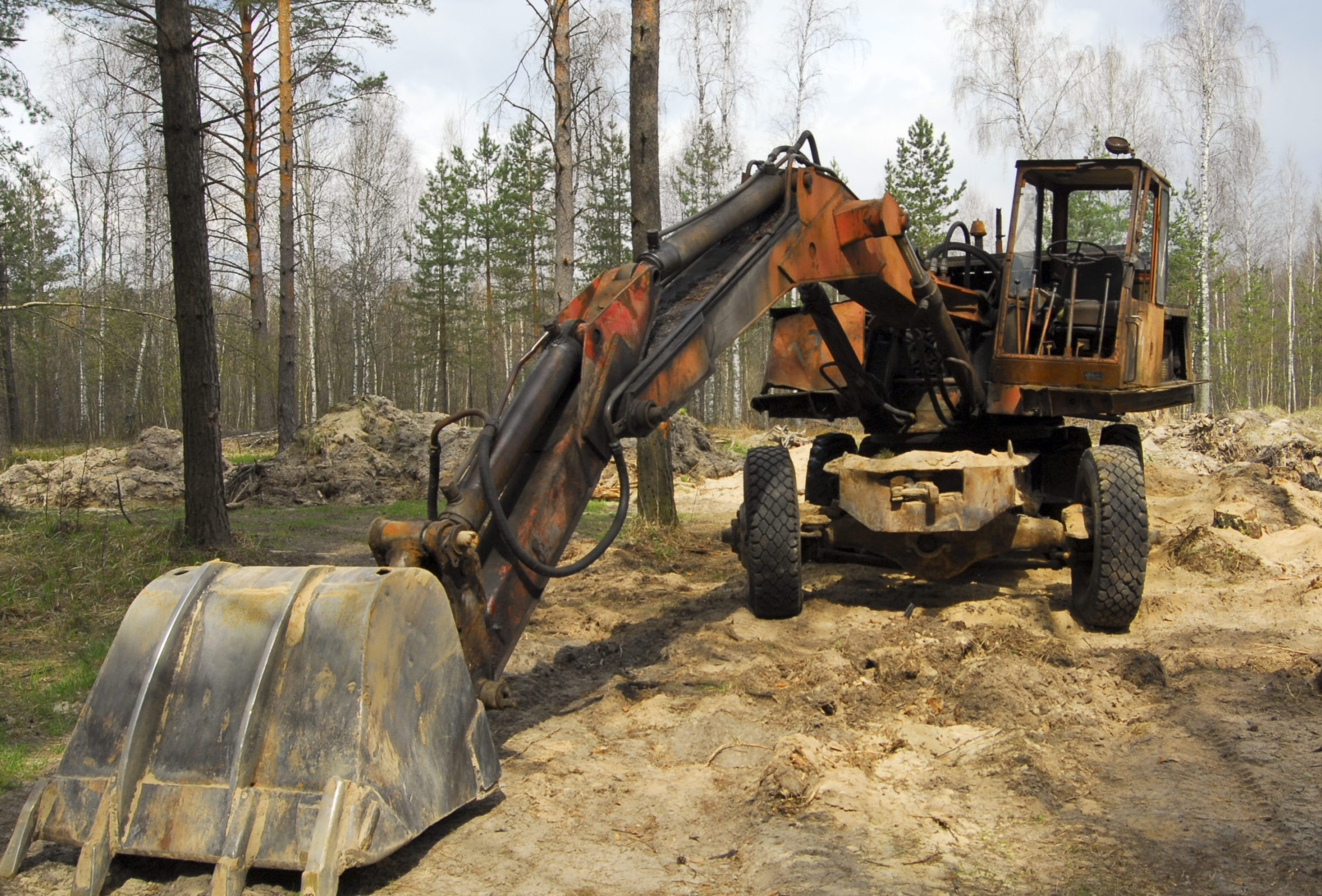
When tackling land clearing projects in Virginia, determining what size excavator for stump removal you need is the difference between a quick afternoon task and a multi-day mechanical nightmare. Whether you are a property owner in Fairfax or a contractor clearing acreage in Roanoke, matching your machine to the stump diameter and species is critical for efficiency. Consulting a comprehensive excavator size guide can help you navigate the complexities of hydraulic force, while utilizing professional stump removal tools ensures that even the most stubborn root systems are handled with precision. Using the wrong ground excavation equipment can lead to property damage, wasted fuel, and unnecessary strain on the machine hydraulics. In this guide, we break down exactly how to choose an excavator for tree base removal so you can finish the job right the first time. Choosing the Right Excavator Size for Stump Jobs Selecting the right excavator weight class is primarily determined by the diameter of the tree stump and the complexity of the root system. Excavators are generally categorized by their metric tonnage, and each class offers a different level of breakout force. The Weight Class Breakdown Small vs. Large Machines: Which Performs Better? While it is tempting to think bigger is always better, the best excavator for stump digging is often the one that balances power with site accessibility. Small machines excel in established neighborhoods. They have a lower ground pressure, meaning they won’t destroy a manicured lawn or crack a driveway while traveling to the backyard. However, they lack the vertical leverage needed to pull deep taproots. Large machines provide massive hydraulic breakout force. If you are dealing with a 40-inch-wide white oak stump, a small machine will simply bounce off it. A larger hydraulic digging machine can use its weight as a counter-lever to snap lateral roots that a mini excavator would not even budge. Factors That Determine the Ideal Equipment Size To find the ideal equipment for stump pulling, you must look beyond the visible wood. Several local and biological factors come into play: 1. Tree Species and Root Structure Virginia is home to diverse flora. Pine trees often have shallow, spreading roots, whereas hickories and oaks may have deep taproots. The deeper the root, the more tonnage you need to reach and sever them. 2. Soil Conditions in Virginia Our Virginia Red Clay is notorious for being dense and heavy. When wet, clay acts like suction, holding the stump in place. This requires more heavy equipment selection to focus on hydraulic flow and bucket breakout force than you might need in sandy coastal soils. 3. Presence of Obstacles If the stump is near a utility line or a foundation, you may be forced to use a smaller machine and take more time digging precisely. Understanding what tree stump removal in these sensitive areas is vital for safety. Mini Excavators: Are They Strong Enough for Roots? Many property owners wonder if mini excavator equipment can handle professional-grade work. The answer is yes if you use the right root extraction tools. A 3.5-ton mini excavator is surprisingly capable of tree stump removal necessary for most 12- to 18-inch stumps. To maximize a smaller machine size for root removal, you should utilize: Common Mistakes When Selecting Excavators Even experienced operators can make errors in construction machinery specs when planning a job. Avoiding these pitfalls will save you time and money: Pro Tips for Faster, Cleaner Stump Extraction To optimize your stump digging machine guide into a practical workflow, follow these industry secrets: Frequently Asked Questions Conclusion Choosing the right excavator weight class is the most important decision you will make before you start digging. In the dense clay soils of Virginia, leaning toward a slightly larger machine like a 5-ton or 8-ton model often pays for itself in the hours of labor saved. At Timberbrute, we understand the nuances of land clearing and the heavy-duty demands of the local landscape. Whether you are a contractor looking for professional insights or a homeowner planning a major backyard overhaul, having the right knowledge is key to a successful project. If you are still unsure of your equipment needs or require professional assistance, contact Timberbrute today for expert consultation and top-tier stump removal services. We can help you determine exactly what size excavator for stump removal is required for your specific property. For long-term effectiveness, learn how to kill tree roots properly after the stump has been cleared.

Are Your Trees Too Close to Your Richmond Home?

Are Your Trees Too Close to Your Richmond Home?

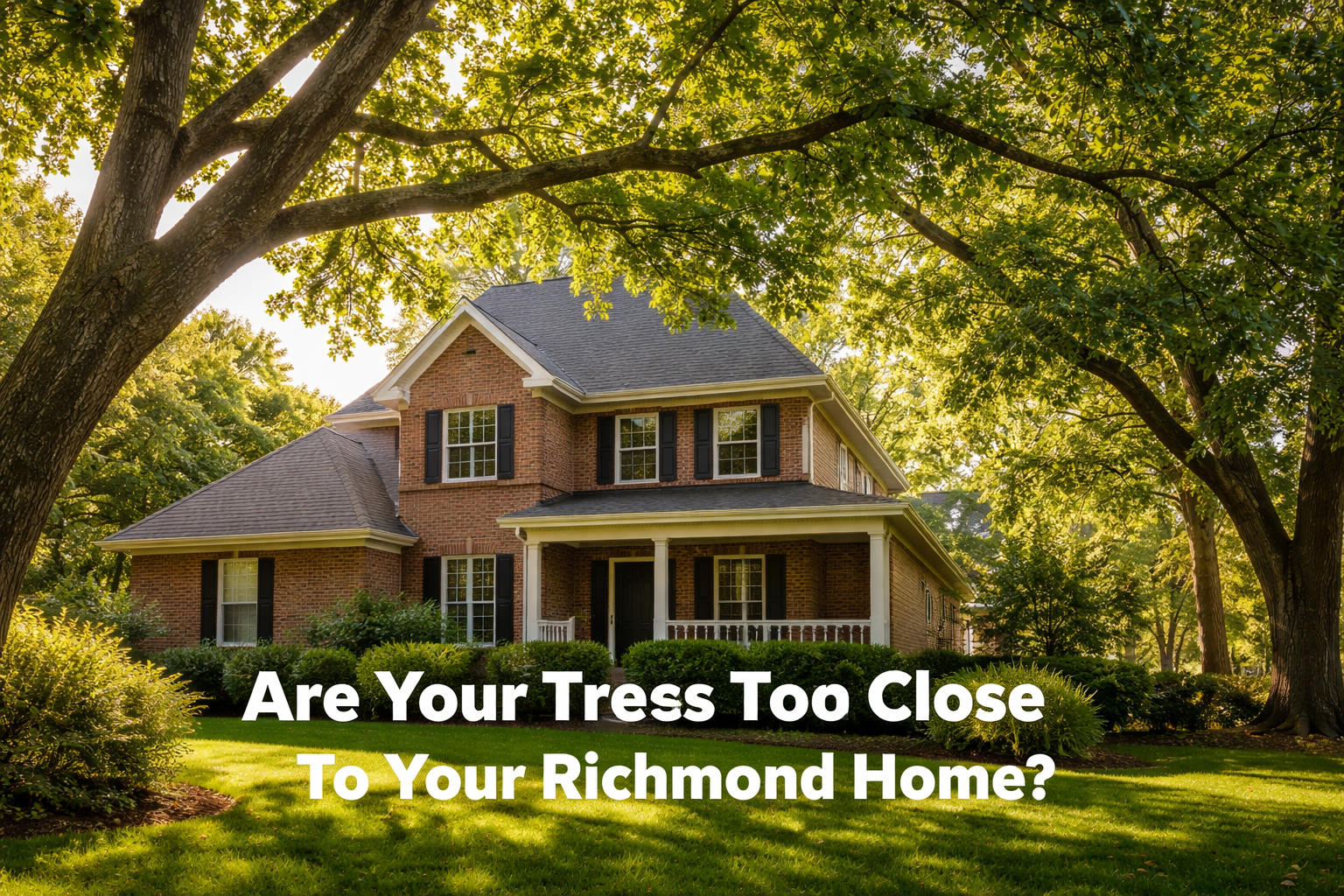
Are your trees too close to your Richmond home? It is a question many homeowners start asking after noticing cracks in walkways, clogged gutters, or branches brushing against the roof.  In some cases, concerns arise while planning services such as Stump Removal in Midlothian, VA, which brings attention to how nearby trees may already be affecting the property. The problem is that trees planted too close to a house can quietly cause damage over time. Roots grow outward in search of water, branches expand toward sunlight, and seasonal storms increase the risk of falling limbs.  Without understanding safe spacing and warning signs, homeowners may overlook issues until repairs become costly. Knowing whether your trees are too close to your Richmond home helps protect your structure, landscaping, and long term property value. This guide explains why tree placement matters, how close is too close, and when trimming or removal becomes the safer option. Why Tree Placement Matters for Homes in Richmond, VA Tree placement plays a major role in residential safety and maintenance. While trees offer shade, curb appeal, and environmental benefits, improper placement can create ongoing issues. In Richmond neighborhoods, tree placement matters because: Trees planted too close to homes can interfere with foundations, roofing systems, and underground utilities, which is why understanding proper placement from the start is so important especially when dealing with heritage trees in Richmond, where preservation and safety need to be carefully balanced to help homeowners avoid future risks. How Close Is Too Close? Safe Tree Distance Guidelines for Richmond Homes There is no single distance that works for every tree, but general guidelines help reduce risk. Safe distance between trees and home structures depends on tree size and root spread. Common spacing recommendations include: Planting too close increases the chance of tree root damage to foundation systems. If existing trees fall within these distances, monitoring or professional evaluation is recommended. Common Tree-Related Foundation Problems in Richmond Neighborhoods Foundation damage from trees is one of the most serious risks homeowners face. Roots naturally seek moisture and can exert pressure on foundations over time. Common foundation related issues include: Older Richmond homes are especially vulnerable due to shallow foundations and aging materials. Trees too close to house foundations can worsen these problems if left unmanaged. Roof, Siding, and Gutter Damage Caused by Overgrown Trees in Richmond Overgrown trees near house structures often cause visible damage above ground. Branches rubbing against siding or roofing can wear down materials quickly. Typical issues include: These problems can shorten the lifespan of exterior materials. Overgrown trees near house structures should be trimmed or evaluated to prevent ongoing damage. Local Richmond Weather and Its Impact on Trees Near Your House Richmond weather patterns increase the risks associated with poorly placed trees. Heavy rain, high winds, and occasional storms put stress on trees that are already too close to structures. Weather related risks include: Residential tree hazards often increase after storms. Trees planted too close to homes are more likely to cause damage during severe weather events. Tree Root Damage to Driveways, Sidewalks, and Utilities in Richmond, VA Tree root damage is not limited to foundations. Roots can spread far beyond the canopy and affect hardscapes and underground systems. Common problems include: Tree removal Richmond VA services are often requested after these issues appear. Addressing trees too close to house infrastructure early can prevent extensive repairs. When to Trim vs. Remove Trees Near Your Richmond Property Not every tree near a home needs to be removed. In many cases, trimming helps manage growth and reduce risk. Trimming may be appropriate when: Removal may be necessary when: Evaluating whether trimming or removal is best helps homeowners protect their property without unnecessary loss of healthy trees. Professional Tree Services in Richmond, VA: When to Call an Expert Professional evaluation is often the safest option when dealing with trees too close to house structures. Tree trimming services Richmond professionals provide assessments based on local conditions. You should call an expert when: Working with Timberbrute ensures Richmond homeowners receive guidance aligned with local soil, climate, and safety standards. For personalized advice or scheduling, homeowners can reach out through the Contact Us page. Conclusion Are your trees too close to your Richmond home is not just a landscaping question, but a safety and maintenance concern. Trees that grow too near structures can affect foundations, roofs, and utilities over time. By understanding safe distances, monitoring warning signs, and seeking professional support when needed, homeowners can protect their property and maintain healthy outdoor spaces.  Thoughtful tree management helps preserve both safety and curb appeal in Richmond neighborhoods. Frequently Asked Questions

How to Know If Your Richmond Tree Is Dead or Dangerous

How to Know If Your Richmond Tree Is Dead or Dangerous

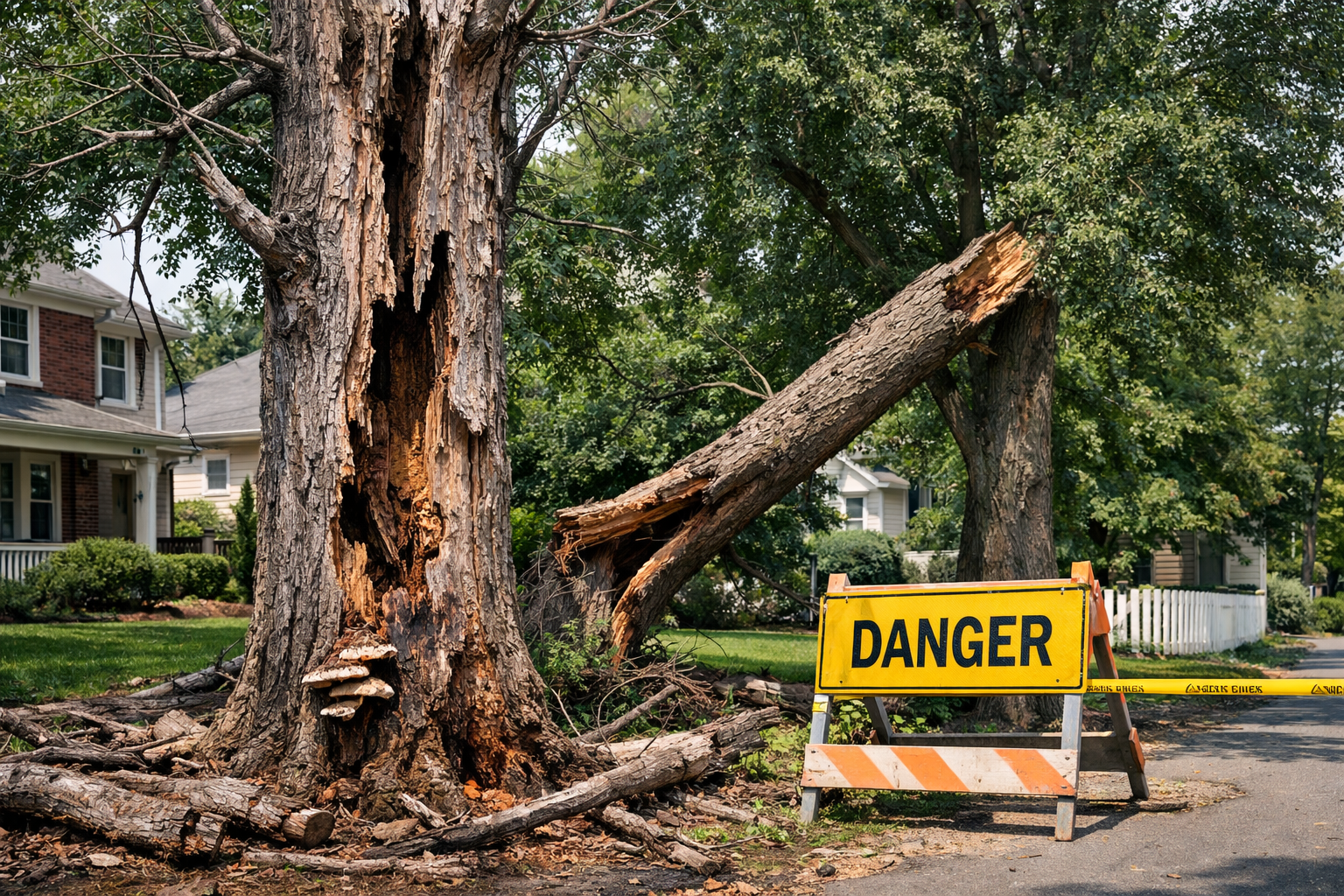
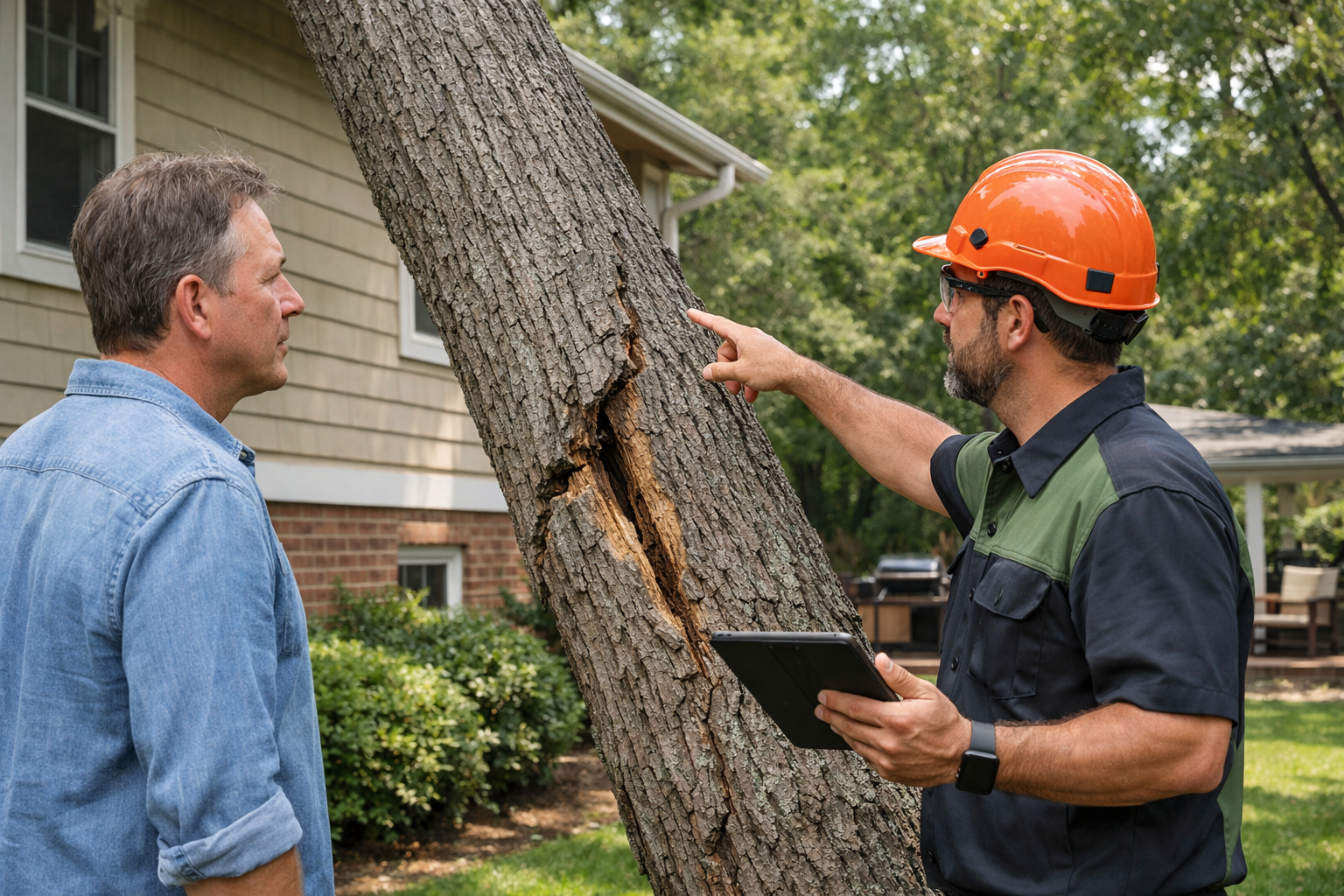
How to know if your Richmond tree is dead or dangerous is a question many homeowners face when trees begin to look unhealthy or unstable. Trees can decline slowly, and the signs are not always obvious at first.  Homeowners often notice a problem only after branches fall, leaves fail to grow, or nearby structures are put at risk. Situations like these sometimes lead residents to explore services such as Stump Removal in Mechanicsville, VA after a tree becomes unsafe. The problem is that delaying action can increase safety risks and property damage. A dead or dangerous tree near a home can fall without warning, especially during storms or high winds.  Learning how to know if your Richmond tree is dead or dangerous allows you to act early, protect your property, and avoid emergency situations. This guide explains the most common warning signs, local climate factors, diseases, and regulations that Richmond homeowners should understand when evaluating tree safety. Common Signs Your Tree May Be Dead or Dying in Richmond Dead tree signs often appear gradually, which makes them easy to overlook. Some symptoms are visible year round, while others show up during specific seasons. Common indicators include: Dying tree identification requires looking at the overall condition of the tree, not just one symptom. A single dead branch does not always mean the tree is dead, but multiple signs together can indicate serious decline. Understanding these signs helps homeowners determine how to know if your Richmond tree is dead or dangerous before the situation worsens and can also point to the best time to plan affordable tree services before minor issues turn into costly problems. How Richmond’s Climate and Weather Impact Tree Health Richmond’s climate plays a major role in tree health. Hot summers, heavy rainfall, and seasonal storms create stress that weakens trees over time. Climate related factors include: Virginia tree health is closely tied to these environmental conditions. Trees that appear healthy during mild weather may become dangerous after storms.  Richmond tree safety depends on monitoring how trees respond to changing weather patterns. Understanding local climate impacts helps homeowners recognize when trees are under stress, and it also guides smart follow up decisions like knowing how to remove remaining roots safely after a damaged or dying tree is taken down.  Visible Structural Damage That Makes a Tree Dangerous Some of the most serious warning signs involve structural damage. These issues often indicate that a tree poses an immediate safety risk. Structural red flags include: A dangerous tree near house structures should never be ignored. Structural damage weakens the tree’s ability to support its own weight, increasing the likelihood of failure. Knowing how to spot these issues is a key part of how to know if your Richmond tree is dead or dangerous. Seasonal Warning Signs to Watch for in Central Virginia Trees Trees behave differently throughout the year, and some warning signs are seasonal. In Central Virginia, certain patterns are especially important to watch. Seasonal indicators include: Dormant trees can sometimes be mistaken for dead ones, especially in winter. However, repeated seasonal issues often indicate deeper problems. Tracking changes over time helps distinguish temporary stress from long term decline. Local Tree Diseases and Pests Common in Richmond, VA Tree disease symptoms are a common cause of decline in Richmond. Certain diseases and pests are more prevalent due to local climate and tree species. Common issues include: Richmond tree safety can be compromised when diseases spread unnoticed. Once a tree’s internal systems are damaged, recovery becomes difficult or impossible. Early identification increases the chance of treatment or safe removal. When a Tree Becomes a Safety Risk for Richmond Homes A tree becomes a safety risk when its failure could harm people, buildings, or utilities. Even living trees can be dangerous if structural integrity is compromised. Safety risks increase when: Hazardous tree removal is often recommended once a tree reaches this stage. Understanding when a tree crosses from unhealthy to unsafe is critical for homeowner responsibility. Learning how to know if your Richmond tree is dead or dangerous helps prevent accidents before they occur. Richmond Tree Inspection: When to Call a Local Tree Expert Professional inspection is often the safest way to assess tree health. Tree inspection Richmond VA services evaluate both visible and hidden issues. You should call a local expert when: Local professionals understand Richmond soil, climate, and common tree issues. A proper inspection helps determine whether treatment, monitoring, or removal is necessary. Tree Removal and Safety Regulations in Richmond, Virginia Local regulations may affect how dead or dangerous trees are handled. Some removals require permits depending on tree size and location. Homeowners should be aware that: Following regulations protects homeowners from fines or disputes. Understanding these rules is part of responsible Richmond tree safety planning. Conclusion How to know if your Richmond tree is dead or dangerous starts with awareness and regular observation. Trees often show warning signs long before they fail, but those signs can be easy to miss without guidance.  By understanding local climate impacts, disease symptoms, and structural risks, homeowners can act early and protect their property.  When uncertainty remains, working with Timberbrute for a professional inspection can provide clarity, and reaching out through the Contact Us page helps ensure timely action that prevents emergencies and supports long term safety. Frequently Asked Questions

How to Handle Hazardous Trees Near Your Richmond Home

How to Handle Hazardous Trees Near Your Richmond Home

How to handle hazardous trees near your Richmond home is a concern many homeowners face after storms, seasonal changes, or years of natural tree growth.  Trees that once seemed stable can slowly become a safety risk, especially in older neighborhoods or areas exposed to strong winds and heavy rain.  Homeowners often first notice the issue when scheduling services like Stump Removal in Ashland, VA or when nearby trees show visible damage. The problem is that hazardous trees are not always obvious. A tree can appear healthy while hiding structural weaknesses that increase the risk of falling.  Ignoring these warning signs can lead to property damage, personal injury, or disputes with neighbors. Understanding how to handle hazardous trees near your Richmond home allows you to take action before a situation becomes an emergency. This guide explains what makes a tree hazardous, how to identify risks, local regulations to follow, and how professional services handle dangerous tree removal safely. What Is Considered a Hazardous Tree on Residential Properties? A hazardous tree is one that poses a threat to people, structures, or utilities. Residential tree safety assessments focus on both visible damage and hidden structural issues. Trees are commonly considered hazardous when they show: A dangerous tree near house structures does not always need to be dead to be risky. Even living trees can become unstable over time.  Understanding these conditions helps homeowners decide how to handle hazardous trees near your Richmond home responsibly. Common Signs of Dangerous Trees Around Richmond Homes Early detection is key when dealing with hazardous trees. Many warning signs develop gradually and are easy to miss without regular inspection. Common signs include: Storm-damaged trees are especially common in Richmond after high winds or heavy rain. These trees may look intact but suffer internal damage that increases falling tree risk. Recognizing these signs helps homeowners act before damage occurs. Why Hazardous Trees Are a Serious Risk in Richmond’s Climate Richmond’s climate creates unique challenges for tree stability. Seasonal storms, heavy rainfall, and occasional high winds increase the likelihood of tree failure. Environmental factors that increase risk include: Hazardous tree removal becomes more urgent during storm season when weakened trees are more likely to fail.  Understanding how Richmond’s climate affects trees is essential when learning how to handle hazardous trees near your Richmond home. Local Tree Removal Laws and Permits in Richmond, Virginia Local regulations play an important role in hazardous tree removal. While emergency situations may allow expedited action, permits are often required for standard removals. Homeowners should be aware that: Local tree removal laws exist to balance safety with environmental protection. Following regulations helps avoid fines or delays while addressing hazardous conditions. How Professional Arborists Handle Hazardous Tree Removal Safely Professional arborists use specialized techniques to manage hazardous tree removal without causing additional damage. Safety planning is a critical first step. Professional removal typically includes: Residential tree safety depends on proper planning and execution. Attempting removal without professional help increases the risk of injury or property damage. Understanding how professionals work helps homeowners feel confident when addressing dangerous trees. Emergency Tree Removal Services Available in Richmond, VA Emergency tree service options are available when immediate action is required. Situations that often require emergency removal include: Emergency tree removal Richmond VA services prioritize safety and rapid response. In these cases, removal may proceed before full permitting, followed by documentation if required. Knowing when to call emergency services is a key part of how to handle hazardous trees near your Richmond home. Cost of Hazardous Tree Removal Near Your Richmond Home The cost of hazardous tree removal varies based on several factors. Emergency services typically cost more due to urgency and increased risk. Cost factors include: While costs can be higher, delaying removal often leads to greater expenses from property damage. Addressing hazards early helps manage long term costs. Choosing a Trusted Tree Service Company in Richmond, US Selecting reliable local tree removal experts ensures hazardous trees are handled correctly. Experience, safety practices, and local knowledge are essential. Homeowners should look for: Timberbrute provides professional solutions for hazardous tree removal that prioritize safety and compliance. Homeowners seeking assistance can connect through the Contact Us page for expert guidance. Conclusion How to handle hazardous trees near your Richmond home requires awareness, timely action, and professional support. Hazardous trees can develop slowly, but the risks they pose increase rapidly once structural damage begins. By recognizing warning signs, understanding local regulations, and working with experienced professionals, homeowners can protect their property and family. Addressing hazardous trees early ensures safety, peace of mind, and long term property protection. Frequently Asked Questions

How Tree Removal Affects Property Value in Richmond Neighborhoods

How Tree Removal Affects Property Value in Richmond Neighborhoods

How tree removal affects property value in Richmond neighborhoods is a question many homeowners ask when planning landscaping changes or preparing to sell.  Trees are a defining feature in many Richmond communities, but not every tree adds value in the same way. While some removals are necessary for safety or structural reasons, others can influence buyer perception and home appraisals. The challenge for homeowners is understanding when tree removal helps and when it hurts. Decisions are often made quickly, especially after storm damage or during renovation projects.  Services such as Stump Removal in Glen Allen, VA are commonly part of these plans, but the long term impact on property value is not always considered. This blog explains how tree removal affects property value in Richmond neighborhoods, how buyers and appraisers view landscaping, and how homeowners can make informed decisions that protect their investment. Understanding How Tree Removal Impacts Property Value How tree removal affects property value depends on several factors, including the type of tree, its condition, and its placement on the property. Mature trees often add shade, privacy, and character, which can positively influence home value. However, not all trees are beneficial. Poorly placed or unhealthy trees can create risks that reduce a home’s appeal, which is why considerations like Richmond’s tree protection bylaws often factor into responsible property decisions. Ultimately, the impact of tree removal on home value depends more on balance and thoughtful planning than on simply having more or fewer trees. Homeowners should view tree removal as a strategic decision rather than a purely aesthetic one. Many homeowners also wonder does tree removal increase property value, especially when large or unhealthy trees impact curb appeal and safety. Why Mature Trees Matter in Residential Real Estate Mature trees real estate professionals often reference are associated with established neighborhoods and long term stability. In Richmond, many buyers are drawn to tree lined streets and shaded yards. Mature trees contribute to: Removing healthy, mature trees without a clear reason can reduce perceived value. How tree removal affects property value in Richmond neighborhoods often comes down to whether the removal improves or disrupts these benefits. Tree Removal Trends in Richmond Neighborhoods Tree removal trends in Richmond neighborhoods vary by location, housing age, and development activity. Older neighborhoods often prioritize preservation, while newer developments may focus on open layouts. Common reasons for tree removal include: Residential tree removal decisions are increasingly influenced by property value considerations.  Homeowners are becoming more cautious about removals that could negatively affect neighborhood property value. How Tree Removal Affects Home Appraisals in Richmond, VA Home appraisal Richmond VA professionals consider landscaping as part of overall property condition. Trees can enhance or detract from appraised value depending on their condition and placement. Factors appraisers may consider include: Dead or diseased trees can lower appraised value by signaling neglect or potential repair costs. In these cases, how tree removal affects property value can be positive when removal addresses visible problems. Buyer Perception: Curb Appeal and Landscaping in Richmond Homes Buyer perception plays a major role in Richmond property value. First impressions often determine whether a buyer schedules a showing or makes an offer. Trees influence buyer perception by: However, overgrown or hazardous trees can have the opposite effect. Buyers may view them as future expenses.  How tree removal affects property value in Richmond neighborhoods often depends on whether the removal improves visual balance and safety. Local Regulations for Tree Removal in Richmond, Virginia Local tree ordinances in Richmond influence when and how trees can be removed. Certain trees may be protected based on size, location, or historical value. Homeowners should be aware that: Understanding local regulations is essential before removing trees. Improper removal can delay sales or raise concerns during inspections.  How tree removal affects property value is closely tied to compliance with Richmond regulations. When Tree Removal Can Increase Property Value Tree removal does not always reduce property value. In some situations, it can increase it. Examples where removal may add value include: Removing problematic trees can make a property safer and more appealing. How tree removal affects property value in Richmond neighborhoods can be positive when removal solves visible or structural issues. Many homeowners also ask does clearing land increase property value, especially when overgrown areas limit visibility and usable yard space. Choosing Professional Tree Removal Services in Richmond, US Professional services ensure tree removal is done safely, legally, and with property value in mind. Local tree removal contractors understand Richmond neighborhoods, regulations, and buyer expectations. Professional services help with: Timberbrute provides professional tree removal services that support long term property value. Homeowners seeking expert guidance can connect through the Contact Us page to discuss their specific needs. Conclusion How tree removal affects property value in Richmond neighborhoods depends on thoughtful decision making rather than quick action. Trees can be valuable assets, but only when they are healthy, well placed, and properly maintained. By understanding buyer perception, appraisal considerations, and local regulations, homeowners can make tree removal decisions that protect and even enhance property value. With professional guidance, tree removal can be a strategic improvement rather than a risk. Frequently Asked Questions

Root Problems After Stump Removal

Root Problems After Stump Removal

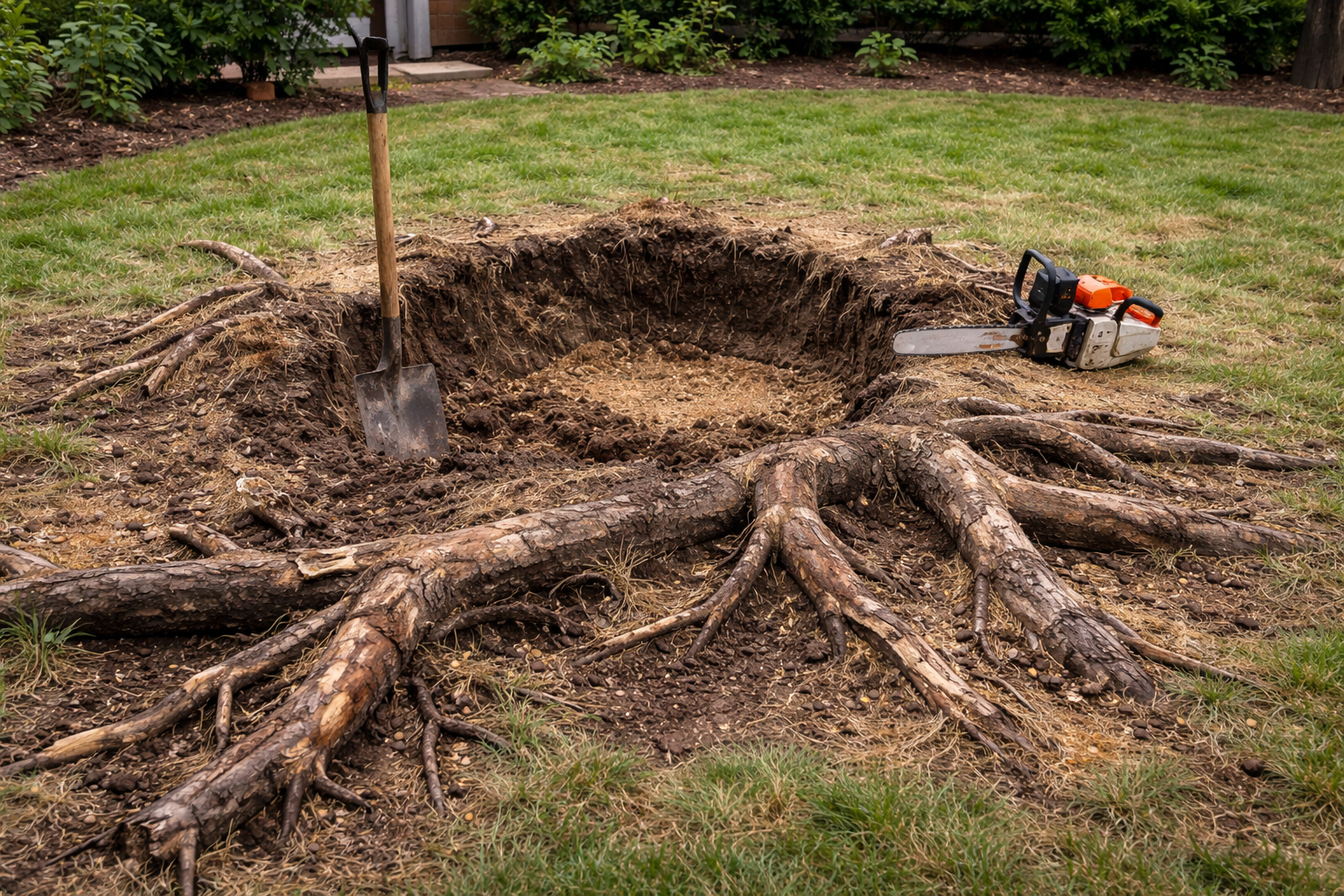
Root problems after stump removal are a common concern for property owners who believe the issue is resolved once the stump is gone. While services such as Stump Removal in Short Pump, VA eliminate the visible portion of a tree, underground tree roots often remain active long after stump grinding is complete.  These hidden roots can continue to affect lawns, foundations, and soil stability. The problem is that many homeowners are not warned about what happens below the surface. Without proper follow up, root problems after stump removal can lead to uneven ground, damaged landscaping, or structural concerns.  Understanding how roots behave after removal helps property owners take the right steps early instead of dealing with expensive repairs later. This blog explains why root problems happen, how to identify them, and what Richmond property owners can do to protect their land after stump removal. Understanding Root Problems After Stump Removal Root problems after stump removal occur because stump grinding removes only the visible stump and part of the root crown. Large portions of the underground tree roots are usually left behind. These remaining roots can: Tree root problems are often invisible at first, which is why they are frequently overlooked. Over time, post stump removal problems can become more noticeable and costly. Understanding how underground tree roots behave helps property owners make informed decisions after stump removal. Proper stump removal in Sandston, VA can help prevent root-related problems and reduce the chance of regrowth. Why Tree Roots Continue Growing After Stump Grinding Many homeowners are surprised to learn that roots may continue to grow after stump grinding. This happens because some tree species store energy in their root systems. In certain cases: Root decay after stump grinding does not happen all at once. Instead, roots break down gradually, which can cause instability in the soil. Root problems after stump removal are more common when large trees are removed or when grinding depth is limited. If you’re dealing with root issues after cutting a tree, our stump removal in Rockville VA service can help eliminate the remaining stump and prevent further problems. Common Types of Root Damage to Lawns and Foundations Underground tree roots can cause a variety of issues on residential and commercial properties. Common problems include: Foundation damage from roots is a serious concern, especially in older Richmond properties with shallow footings. Root problems after stump removal can worsen if ignored. Recognizing early signs helps prevent long term structural issues. How Long Do Tree Roots Take to Decompose Naturally? Tree root decomposition timelines vary based on tree size, species, and soil conditions. In Richmond, Virginia, roots can take several years to fully decompose. Factors that affect decomposition include: Larger roots may take five to ten years to break down completely. During this time, soil settling and voids may form, leading to post stump removal problems. Root problems after stump removal often appear gradually as roots decay unevenly. Signs You Still Have Underground Root Problems Identifying root problems early can save property owners from costly repairs. Some signs indicate that underground roots are still causing issues. Warning signs include: If these symptoms appear months after stump removal, underground tree roots may be the cause. Root problems after stump removal should not be ignored, especially when soil stability is affected. Professional Solutions for Root Problems After Stump Removal Professional intervention is often the safest and most effective solution. Root removal services are designed to address underground issues without causing further damage. Professional solutions may include: Post stump removal problems require careful handling to avoid damaging utilities or structures. Professionals use specialized equipment and techniques to remove roots safely. Addressing root problems after stump removal early reduces long term risks. To prevent ongoing root problems, professional tree stump removal in Lakeside VA can help completely eliminate the remaining stump and root system. Root Problems After Stump Removal in Richmond, VA Root problems after stump removal in Richmond, VA are influenced by local soil composition and climate. Clay heavy soils common in parts of Richmond can slow root decay and increase soil movement. Additionally: These factors make Richmond properties more vulnerable to post stump removal problems if roots are not properly managed. Understanding local conditions helps property owners choose the right solution. Hiring a Local Tree Root Removal Expert in Richmond, US Hiring experienced local professionals ensures root problems are handled correctly. Local tree root removal experts understand Richmond soil conditions, regulations, and property layouts. When choosing a provider, look for: Timberbrute provides reliable solutions for root problems after stump removal, helping Richmond property owners protect their lawns and structures. For professional assistance or evaluations, property owners can reach out through the Contact Us page. Conclusion Root problems after stump removal are a hidden issue that can impact lawns, foundations, and soil stability if left unaddressed. While stump grinding removes the visible stump, underground roots often remain active for years. By understanding how roots behave, recognizing warning signs, and working with professionals, Richmond property owners can prevent long term damage. Addressing root problems after stump removal early protects both property value and safety. To prevent future root issues and restore your yard, consider our expert stump removal in Innsbrook VA services. Addressing issues early by killing tree roots after stump removal can save time and future repair costs. Frequently Asked Questions