Timberbrute

How to Hire a Tree Removal Service
How to Hire a Tree Removal Service

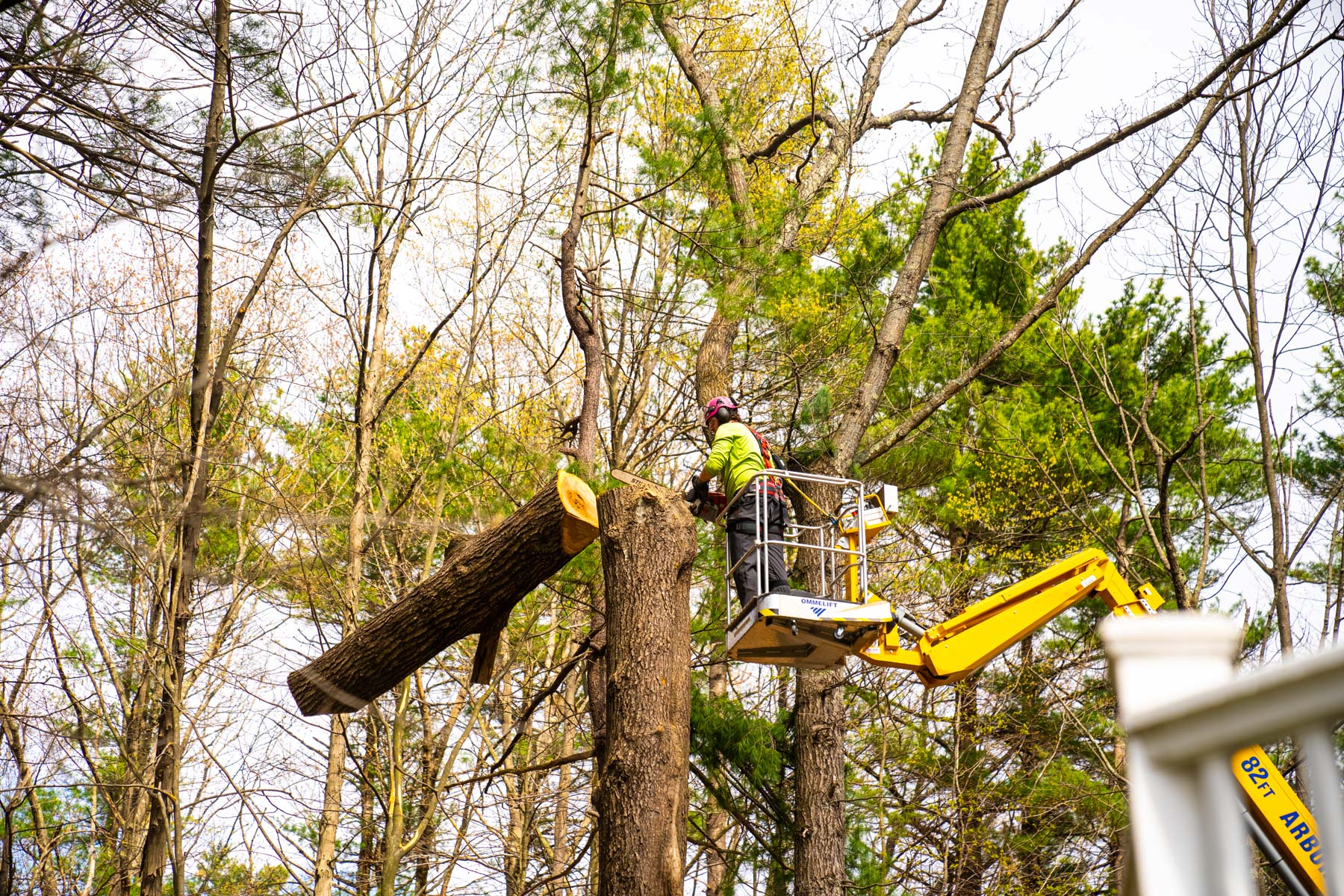
A dying oak or storm-damaged pine can turn from backyard beauty to safety hazard fast. You want it gone, but not at the expense of your lawn, your wallet, or your neighbor’s fence. That’s where hiring the right tree removal service comes in. This guide breaks down exactly how to find a trusted, affordable crew in Richmond, from first quote to final cleanup. Before making a final hiring decision, reviewing some tips for finding a reliable tree removal service can help homeowners choose the right professionals. Key Takeaways What Does a Tree Removal Service Actually Do? A professional tree removal service does more than just cut down trees. They handle the entire process, trimming limbs, dismantling trunks, grinding stumps, hauling debris, and cleaning up. Unlike a general tree service, which focuses on maintenance or pruning, removal specialists handle the big, risky jobs that require expertise and heavy equipment.  Choosing the right company means safer work, cleaner results, and no post-storm surprises. Why Richmond-Specific Considerations Matter Richmond’s mix of towering oaks, pines, and maples brings unique challenges. Humidity, strong storms, and clay soil can cause trees to lean or rot faster than expected. The city also has its own permitting rules for protected species and removal near sidewalks. Before hiring anyone, confirm they understand local codes and HOA regulations. Working with a Richmond-based company like Timber Brute ensures your project stays compliant, efficient, and neighbor-approved. Step-by-Step: How to Hire a Tree Removal Company 1. Start with Referrals and Online Reviews Ask your neighbors or HOA who they’ve used. Local word-of-mouth is worth gold. Then check Google Reviews, Yelp, or even the r/RVA Reddit community for unfiltered feedback. Look for before-and-after photos and consistent praise for professionalism, punctuality, and cleanup. If multiple homeowners mention the same name — that’s your cue. 2. Verify Credentials: License, Insurance, Certification Never hire someone who can’t show proof of insurance.A legitimate tree removal service in Virginia should have liability and workers’ comp coverage. Ask about: These documents protect you from lawsuits if something goes wrong and prove that the company takes safety seriously. 3. Get Several Detailed Estimates Don’t stop at one quote. Collect at least three estimates and make sure each includes labor, disposal, equipment, and stump removal if needed. Be cautious of bids that seem too cheap. Lowball prices often hide shortcuts like skipping insurance or leaving the stump behind.  Compare scope and detail, not just numbers. 5. Understand the Contract and Schedule Read the contract line by line before signing. It should outline the total cost, work description, payment schedule, and cancellation policy. Ask when they can start — off-season jobs (late fall or winter) often come with lower rates. Avoid paying in full upfront; a small deposit is fine, but the rest should be due after the job is complete. What Can Go Wrong — Red Flags & Risks Tree removal is dangerous, and bad hires make it worse.Watch out for: If your gut says something’s off, trust it. After the Removal: What to Expect A full-service tree removal includes stump grinding, debris cleanup, and wood disposal. You should end up with a clear, level area, ready for replanting or lawn repair. Ask for before-and-after photos and a receipt showing the work completed. If the company damages your lawn or driveway, professional outfits like Timber Brute not only repair it immediately but can also help you plant after tree removal to restore your yard’s appearance. Real-World Example: Richmond Homeowner Success When a homeowner in the West End noticed a leaning oak after a storm, they called Timber Brute for an inspection.  Our team assessed the risk, handled the permit, and safely dismantled the 70-foot tree using a crane to protect nearby power lines. Within hours, the yard was spotless, and the homeowner said it looked like nothing ever happened. That’s the difference a reputable local crew makes. Frequently Asked Questions 1. How long does tree removal take? Most jobs take half a day to a full day, depending on size and equipment. 2. Do I need a permit in Richmond? Yes, in some cases — especially for trees near sidewalks or city easements. 3. Can I remove a tree myself? You can, but it’s risky and often illegal without the right permits or safety gear. 4. Does removing a tree affect my insurance? It can lower risk and sometimes reduce premiums, especially for hazard removals. 5. What season is best for removal? Winter and early spring are ideal — trees are dormant and prices are lower. 6. Should I keep the wood? You can ask the crew to leave cut logs for firewood or have them haul them away. Conclusion Hiring the right tree removal service in Richmond isn’t complicated; it just takes a little research. Start with reviews, check insurance, ask smart questions, and compare written quotes. For homeowners who want the job done safely and professionally, Timber Brute offers expert tree removal backed by full insurance and local know-how. Get your free estimate today and reclaim your yard with confidence.
Does Tree Removal Include the Stump?

Does Tree Removal Include the Stump?

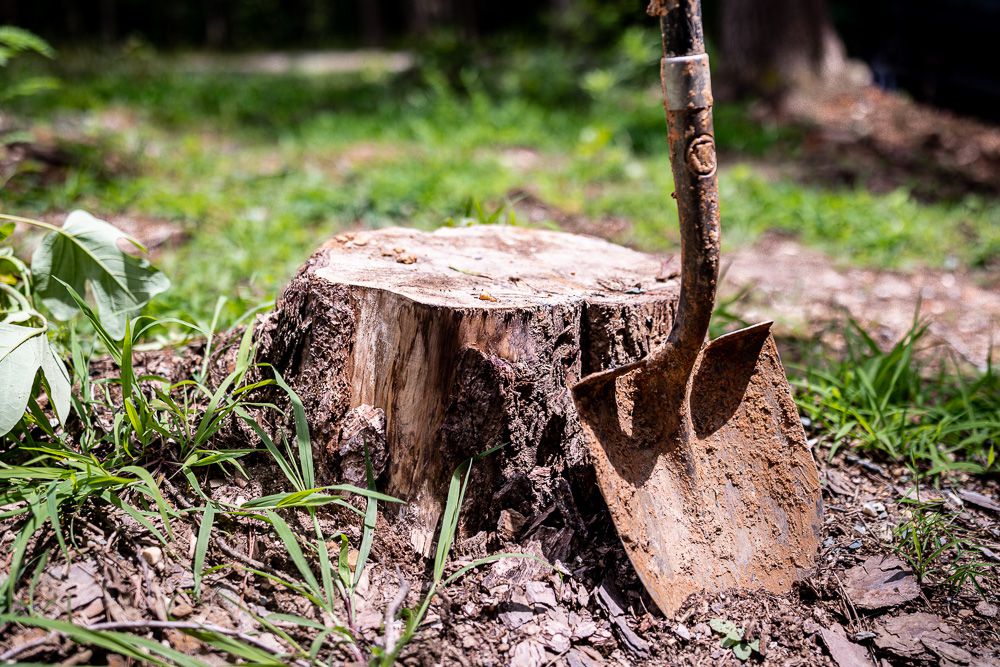
When people call to book tree removal appointments, one of the questions we are asked most often is if stump removal is included. Many people assume the process leaves a clean yard, but the truth is that tree removal and stump removal are usually considered two separate services.  Knowing the difference will ensure that your property looks just how you want it to be and help get the landscaping job done correctly, particularly from professional Richmond tree services. If your project requires grinding after tree cutting, our stump removal services in Innsbrook VA ensure the job is completed properly. Difference between tree removal vs stump removal Tree Removal involves chopping the trunk and branches of a tree, with the root system and stump left. Stump extraction/removal removes or grinds out the stump and root ball. Tree surgeons and contractors commonly offer both services, however, the cost for each can be determined separately. Tree removal is often faster because there’s no need to dig out the root collar or grind down the leftover stump. In contrast, stump removal and stump grinding usually call for specialized tools, equipment, and extra labor to ensure everything is completed properly. This is especially important for homeowners who want their entire yard cleared after a tree-trimming project—and for those wondering who to call for fallen tree removal when the job requires a full cleanup. If the stump is left behind after tree removal, our professional stump removal in Bon Air VA can help completely clear your yard. When you’ll need separate stump services Other stump services you might need include: Leaving a stump behind may seem harmless, but it can quickly attract termites, carpenter ants, or fungus into your yard. Choosing professional tree removal in Sandston, VA helps eliminate these risks while also preventing root suckers and re-sprouts, giving your landscape a cleaner, more polished appearance. How stump grinding vs full stump removal works Full stump removal and stump grinding are the general procedures that most Richmond tree services will use. Both methods have their own benefits. When deciding between them, homeowners should think about factors like budget, property safety, and even the time of tree removal, as timing can impact both cost and future landscaping plans. If you’re planning major outdoor changes or need expert guidance, exploring tree removal in Manakin Sabot, VA can help you make a safer, smarter decision. How to request stump removal from a tree service contractor When you hire a tree service contractor in Richmond, be sure to ask whether palm removal is specially priced separately or if it’s included under the umbrella of other types of tree service stump removal. Some companies automatically price their tree removals including stump grinding but others may surprise you and charge extra for it. Make it clear in the beginning what you’re expecting and get a detailed cost estimate for tree removal, along with stump digging. This way, you get the proper service without any surprises. Cost factors: including stump removal or not Here are a few things that will affect the cost of tree removal: Size, Location, and Complexity. The cost of tree removal varies based on various factors like the size and height of the tree, its location, as well as how difficult it is to remove. Some things that affect the cost of stump removal include: In general, it costs less to include stump grinding as part of a regular tree removal service than to schedule it separately. Yet others choose to have the services performed at varying times based on budget and landscaping needs. When you work with a reliable, reputable provider like Timberbrute, the pricing is transparent and the job is done professionally to suit your property. After a tree is cut down, many property owners wonder whether stump grinding or removal is better for long-term landscaping and maintenance. Frequently Asked Questions 1. Is stump removal automatically included in tree removal? No, unless it is stated in your contract, most companies consider stump removal as an add-on service. 2. What’s the difference between tree removal and stump removal? Tree removal eliminates the trunk and branches, while stump removal extracts or grinds the leftover stump and roots. With tree removal, you are removing the trunk and branches, and stump removal removes or leftover stump and roots. 3. Why do companies charge extra for stump removal? Stump removal requires its own set of special equipment and a little more work, which generally makes it more expensive than traditional tree removal. 4. Can I leave the stump after tree removal? Yes, you can, but it could lead to problems like pests, regrowth, and fungus in the long run. 5. What’s the best option: stump grinding or full stump removal? Grinding is quicker and cheaper, while full removal is best for replanting or construction. But which is best for you depends on future plans. Conclusion Tree removal may not always be done together with stump removal, and understanding the difference can save time, money, and headaches. Both stump grinding and a full removal add to your home’s overall health and safety, so you’re not left with any potential hazards. To learn more about Richmond tree service, give the Timberbrute team a call and contact them to get an estimate. If you need to eliminate leftover stumps safely, consider professional Sandston stump grinding services for a complete yard cleanup.

How We Complete Your Tree Removal

How We Complete Your Tree Removal

Removing a tree from your property is not always an easy decision, but when safety, space, or property value is at stake, it becomes a necessary one.  At Timberbrute in Richmond, Virginia, our team specializes in safe and efficient tree removal while helping homeowners understand the benefits and risks of removing mature trees before making a decision. Whether you are dealing with hazardous branches, an overgrown tree growing too close to your home, or a stump taking up valuable yard space, our professionals follow a proven process to ensure everything is handled smoothly and efficiently, making the entire tree removal experience hassle-free. Step-by-Step Tree Removal Process A successful and complete tree removal process begins with a detailed assessment. At Timberbrute, we take a methodical approach to ensure safety and efficiency. This structured approach ensures your property stays safe throughout the entire tree felling procedure, no matter how long tree removal takes. Understanding the full removal process can also help homeowners identify the cheapest method of clearing land when preparing a property for landscaping or construction. When Do You Need Professional Tree Removal? Not every tree needs to be taken down, but certain warning signs should not be ignored: In these cases, reaching out to a professional arborist in Richmond is the safest option, especially if you need advice on handling wood chips after tree removal. Understanding the removal process can also help when choosing a trustworthy tree removal company that follows safe and professional practices. Safety & Equipment Used in Tree Removal Without the appropriate equipment and training, cutting down a tree can be dangerous. That’s why our team at Timberbrute is equipped to use only the safest industry-standard gear and heavy-duty equipment. With these tools, our trained professionals carry out hazardous tree removal safely, protecting people and property near buildings or powerlines. After the work is done, we can also advise homeowners on what to plant after tree removal to restore their landscape beautifully. Permits and Regulations for Tree Removal Before removing a tree in Richmond, it’s essential to understand local regulations, especially since certain trees are protected and may require permits before cutting. At Timberbrute, we handle every step, from assessing potential risks like when a tree falls on house to ensuring full compliance with local rules and permits. Clean-up & Stump Removal After Tree Removal Tree removal isn’t truly complete until your property is restored to a clean and safe condition. If you’ve ever wondered what happens when you remove a tree, our team takes care of everything that follows once the tree is down, including: Timberbrute’s exceptional attention to detail makes its service stand out among Richmond tree removal companies, especially for homeowners who often wonder does house insurance cover tree removal and want guidance from a team that truly understands the process. Frequently Asked Questions 1. What is the process of removing trees? It includes inspection, planning, cutting, controlled felling, and clean-up with stump removal. 2. What is the right way to cut a tree down? Trees should be cut with proper notches and back cuts, allowing for controlled direction of the fall. 3. How do I know if my tree really needs to be removed? If the tree is diseased, leaning, damaged by a storm, or poses safety risks, it is time to consider removing your tree. 4. What is the 5-15-90 rule? This safety guideline means that 5% of accidents are unavoidable, 15% are caused by the environment, and 90% are due to unsafe practices, which indirectly highlight the importance of hiring experts in that field.  5. How fast does a tree fall? A tree can fall in just a few seconds once the final cut is made, which is why proper planning and safety are critical for many reason Conclusion At Timberbrute, we understand that tree removal is more than just cutting down a tree, it’s about protecting your property, improving safety, and enhancing the aesthetics of your outdoor space.  From inspection and planning to stump grinding and clean-up, we handle the operations with expertise. If you need help removing a tree in Richmond, Virginia, trust Timberbrute to handle the process safely and professionally. Contact us today to schedule your consultation.

What to Plant After Tree Removal?

What to Plant After Tree Removal?

After tree removal, that empty patch in your yard doesn’t have to stay bare. It’s actually a fresh start for new growth. Whether you want shade, flowers, or ground cover, the right plants can restore beauty and balance to your landscape. Here’s how to choose wisely. Preparing the area properly is essential, and understanding how to repair a lawn after tree removal can help create healthier conditions for new plants. What to plant after tree removal? Backfill the hole with quality topsoil, then choose plants that match your goals—grass, shrubs, flowers, trees, or even edibles. Key Takeaway Assessing the Site Before Planting Begin by removing roots and any leftover debris. Once cleared, assess the soil—if it’s compacted from heavy equipment, loosen it to help roots grow freely. While doing this, consider learning what to do with wood chips after tree removal to make the most of leftover materials. Also, pay attention to sunlight after tree removal in Short Pump, VA. Once the tree’s gone, the light levels around your yard can change completely. Spend a day watching how the sun moves across the space to figure out which plants will thrive best. How to Prepare the Soil After Tree Removal Best Planting Options After Tree Removal Choosing Plants Based on Goals Clear the space first with fresh topsoil. Then think about your goals. The key is matching your choices to your lifestyle, whether that means adding low-maintenance landscaping or planning for future growth after tree removal in Manakin, VA. Your yard should work for you, not the other way around. Timing matters, so understanding when to plant after stump grinding can you plant can help your new plants thrive. Common Mistakes to Avoid Tips for Long-Term Success Select plant species that match your yard’s sunlight and soil conditions rather than choosing solely based on appearance. As you plan your landscape, it can also help to understand related upkeep, such as how to estimate tree removal?—so you’re prepared for long-term care. Water new plants consistently at first, then gradually reduce watering to promote strong root development. Use mulch to lock in moisture and keep weeds under control. After completing tree removal in Rockville, VA, this simple step helps your new plants thrive by maintaining soil health and stability. Frequently Asked Questions 1. Do I need to clear the area before planting? Yes. Clear leftover roots and debris, then fill with fresh topsoil. 2. What grows best after tree removal? Grasses, shrubs, flowers, or even a new tree planted a few feet away from the old spot. 3. How soon can I plant? As soon as the ground is backfilled and level with nutrient-rich soil. Conclusion From there, it’s your call, fruit trees, shrubs, or even a fresh lawn can all thrive in that spot.  Think of it like swapping out worn sneakers for a crisp new pair. Same ground, but a whole new vibe waiting to grow.

What to do with wood chips after tree removal?

What to do with wood chips after tree removal?

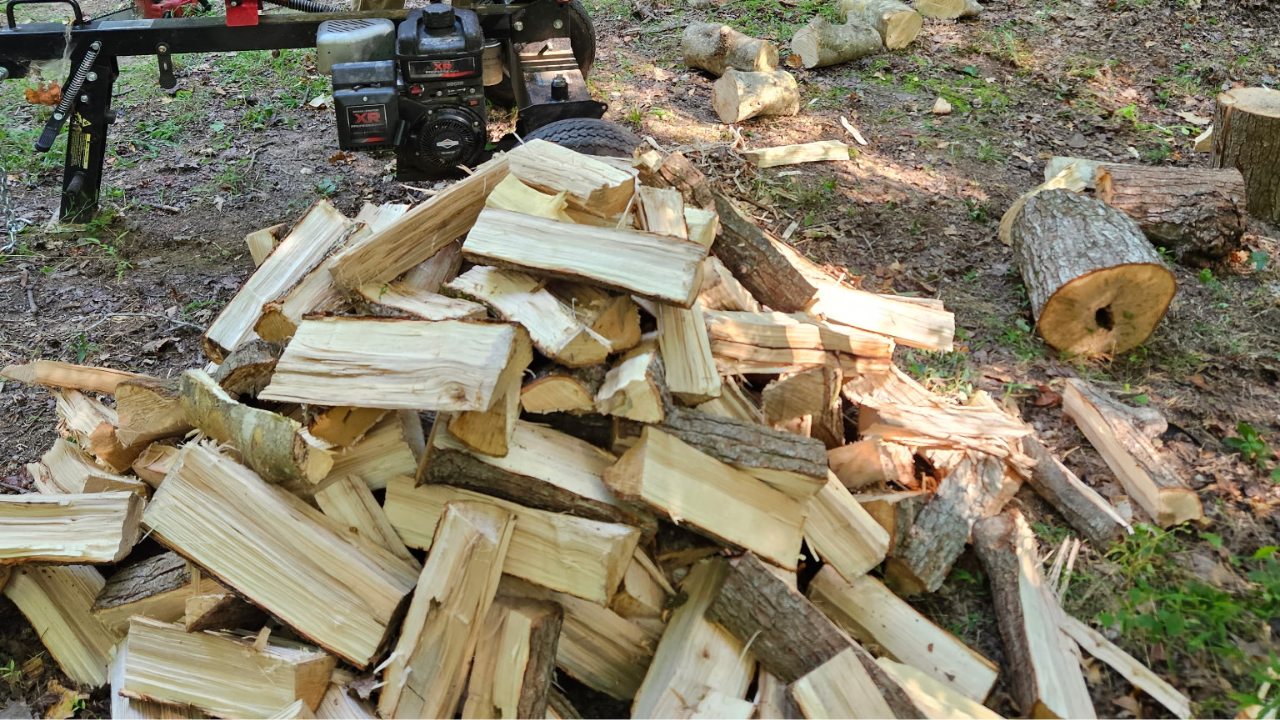
When a tree comes down, the pile of wood chips left behind can feel like a problem, but it’s actually an opportunity. 

Instead of having Timber Brute dispose of them (which we are happy to do for you),  you can repurpose those chips for gardening, landscaping, or even eco-friendly projects around your yard. Here’s how to put them to good use.