Timberbrute

Is Tree Stump Removal Necessary?

Is Tree Stump Removal Necessary?

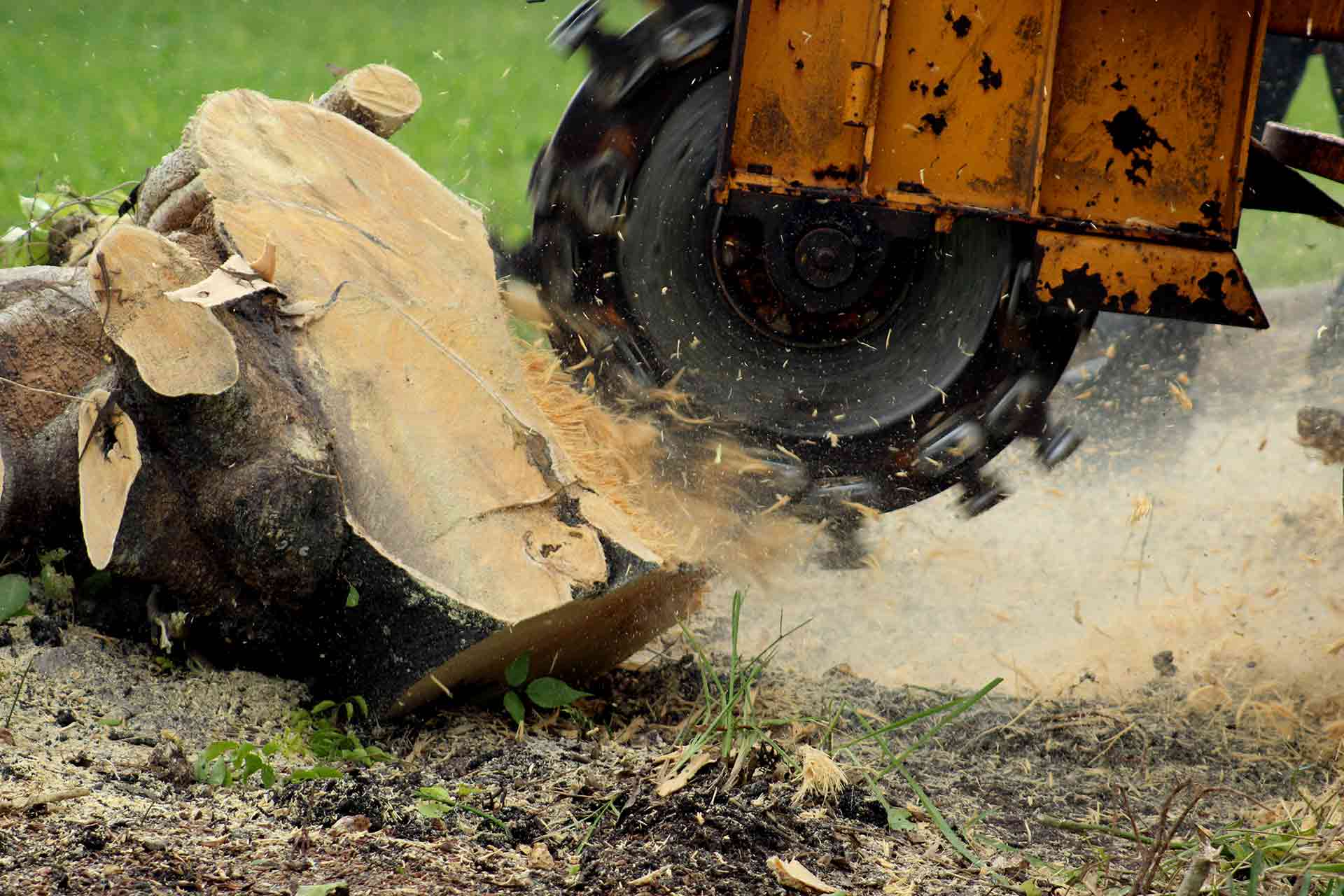
After having a tree removed, many homeowners in Richmond, VA find themselves staring at the leftover stump and wondering, is tree stump removal really necessary? It might seem harmless to leave it in place, but that decision can cause bigger issues down the line.  In this guide, we’ll discuss when stump removal makes sense, what it costs, and why calling a professional tree removal in Innsbrook, VA might be the smart move for your property. Is stump removal necessary after tree removal? In most cases, yes. Leaving a stump behind after tree removal can lead to multiple problems. The roots can continue to grow underground, potentially damaging pipes, foundations, or sidewalks. Over time, the decaying stump may also attract pests like termites, beetles, or carpenter ants, all of which can migrate to nearby trees or even your home. If you plan to replant, landscape, or build on that spot, removing the stump is essential. Otherwise, the remaining root system may interfere with your plans or cause uneven ground. For a clean, safe yard, professional tree stump removal ensures everything below the surface is taken care of too. Stump grinding vs. stump removal in Richmond There are two main ways to handle leftover stumps, stump grinding and full stump removal. Stump grinding involves using specialized equipment to grind the stump down to just below the soil surface. It’s a faster, more affordable option that leaves the roots in the ground. The area can be filled with soil and grass, making it suitable for landscaping. Full stump removal, on the other hand, involves extracting the entire stump along with its root system. This is more labor-intensive but ideal if you’re planning to build a structure, replant a tree, or prevent future root growth. Homeowners in Richmond typically choose grinding for smaller yards or lower budgets and full removal when safety and long-term property improvement are the priority. Risks of leaving a tree stump in the yard in Richmond Leaving a stump might not seem like a big deal, but it can lead to several hidden problems: By scheduling tree stump removal, you eliminate these risks while keeping your yard safe and attractive. Cost of stump removal in Richmond, VA The cost of stump removal in Richmond, VA depends on factors like stump size, location, and accessibility. On average, homeowners pay between $100 and $400 per stump, while larger or deeper root systems can cost more. If you’re comparing options, stump grinding is generally more affordable, around $75 to $150 for smaller stumps. Full stump removal, which involves extracting roots, can range from $200 to $600. Many companies, including Timberbrute, offer free estimates so you know exactly what to expect before the job starts. When can you leave a tree stump in the ground? In some cases, leaving a stump in place might be fine, for example, if it’s in a remote area of your yard where it poses no safety or pest risk. However, even then, the stump will eventually decay, leaving a soft spot that can affect the soil’s stability. If you’re unsure, a tree service in Richmond can assess your property and help you decide whether the stump poses a future hazard. Benefits of stump removal for homeowners in Richmond Here are some clear advantages of having your stump professionally removed: Removing stumps isn’t just about looks. it’s about protecting your property’s value and health. If you live in the Richmond area and have leftover stumps after tree removal, professional stump removal in Highland Springs, VA & Lakeside VA can help restore your yard and prevent pest problems. How to choose a stump removal company in Richmond, VA Choosing the right company makes all the difference. Look for a stump removal company in Richmond, VA that: Timberbrute is trusted across Richmond for reliable, safe, and affordable tree stump removal. Whether you need one stump or several removed, their experienced team ensures your yard is left clean and ready for whatever comes next. To discuss your project, you can easily Contact Us today. Conclusion While leaving a stump might seem like a harmless shortcut, it can lead to more trouble than it’s worth, from pest problems to uneven ground. Professional tree stump removal helps restore your yard, protect your property, and improve safety for everyone. If you’re in Richmond or nearby areas like Innsbrook VA, Rockville VA reach out to Timberbrute for expert advice and reliable stump removal services. Their team ensures your yard is clean, safe, and free from hidden hazards for years to come. If you’re planning ahead, check out stump removal cost to better understand your options. Frequently Asked Questions 1. Do I always need to have the stump removed after tree removal? Not always, but it’s highly recommended to prevent pest problems, tripping hazards, and regrowth. 2. What are the risks of leaving a tree stump in my yard in Richmond? Leaving a stump can attract insects, encourage fungal growth, and reduce your yard’s aesthetic appeal. 3. What is the difference between stump grinding and full stump removal? Stump grinding grinds the stump below soil level, while full removal extracts the roots entirely. 4. How much does stump removal cost in Richmond, VA? Costs range between $100–$400 for most stumps, depending on size and complexity. 5. How soon after tree removal should I have the stump dealt with? Ideally, you should schedule removal within a few weeks to prevent pests or new growth from taking hold. If you’re dealing with old tree stumps, our stump removal in Manakin Sabot service can help restore your landscape quickly.
Does House Insurance Cover Tree Removal

Does House Insurance Cover Tree Removal

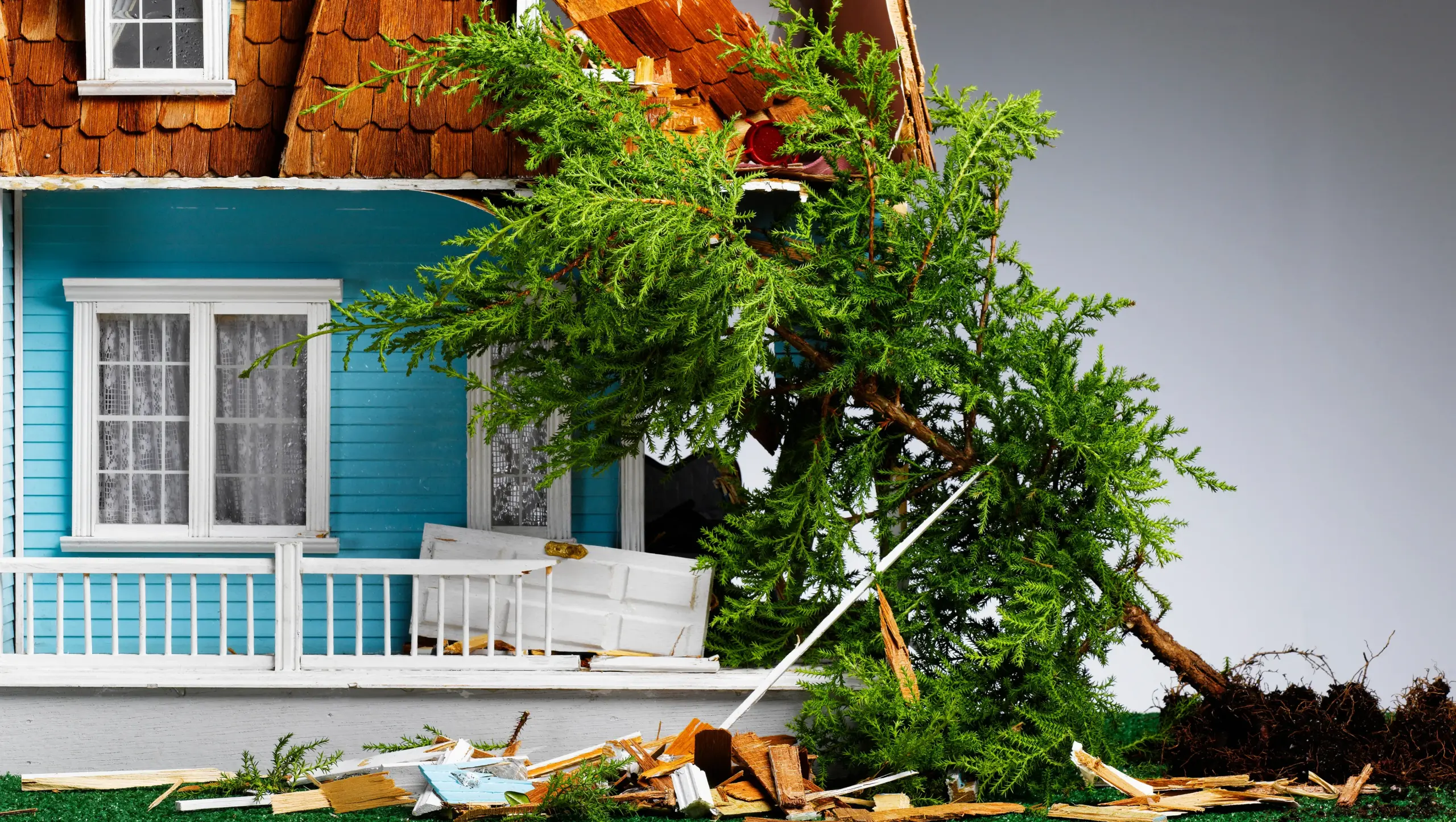
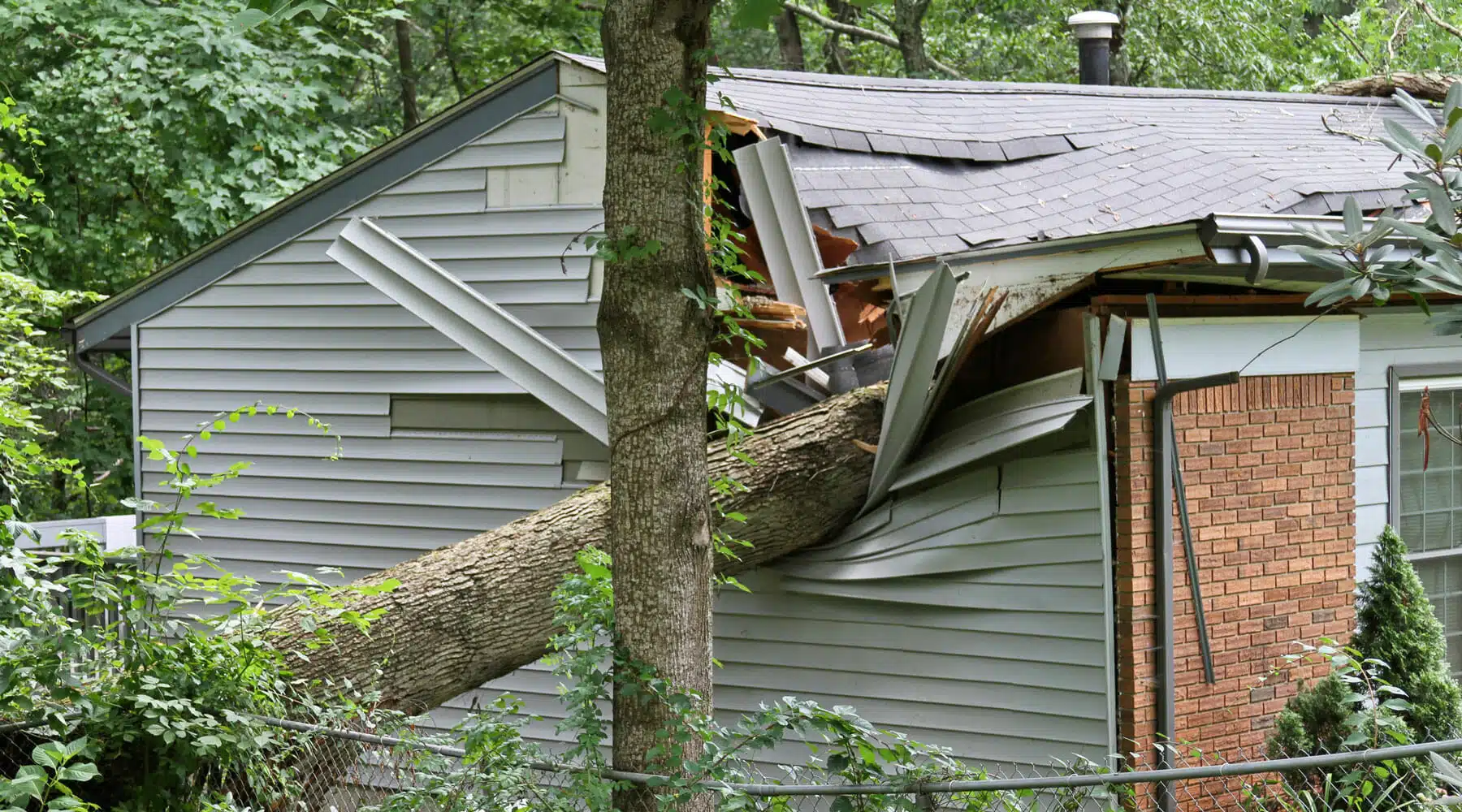
When a tree falls on your property, one of the first questions most homeowners ask is, “Will my house insurance cover the tree removal?” It’s a fair question, after all, storms in Richmond, Virginia can be unpredictable, and fallen trees can cause significant damage to homes, vehicles, and yards. Understanding your homeowners’ insurance policy before an incident happens can save you time, stress, and money. Let’s break down when and how house insurance covers tree removal, what’s typically excluded, and what steps you should take if a tree damages your property. Insurance coverage may depend on the situation, but understanding the cost of professional tree removal can help homeowners prepare for potential expenses. When Does Homeowners’ Insurance in Richmond Cover Tree Removal? In most cases, homeowners’ insurance covers tree removal only if the tree falls due to a covered peril, such as strong winds, lightning, hail, or a storm. If a covered peril causes a tree to fall and damage your home, garage, or another insured structure, your policy typically pays for both tree removal and repairs. For example, if a severe storm causes a large oak tree to fall onto your roof in Richmond, your homeowners’ insurance will typically cover both the tree removal and the roof repairs. Situations like this also highlight why homeowners often think about how far should trees be from a house, because if that same tree were to fall harmlessly into your yard without damaging an insured structure, the cleanup costs might not be covered unless your policy specifically says so. Insurance coverage may vary depending on the situation, but understanding common tree removal hourly rates can help homeowners prepare for potential out-of-pocket costs. What Situations Trigger Tree Removal Coverage Under Your Policy? Each insurance provider in Virginia has slightly different terms, but here are common situations where coverage usually applies: It’s important to review your home insurance tree removal section closely so you know exactly what qualifies as a “covered peril.” Understanding your policy details is key when it comes to tree removal insurance coverage and what expenses are included.” Why Preventative Tree Removal Usually Isn’t Covered by Home Insurance Many homeowners assume insurance will cover preventative maintenance, such as removing an old or leaning tree before it causes problems. Unfortunately, that’s not the case. Insurance companies typically consider preventative tree removal part of regular property maintenance, meaning you’re responsible for spotting and removing potential hazards in advance. If an old, diseased tree falls due to neglect rather than a storm, your insurer may deny the claim. To stay protected, it’s best to schedule routine tree inspections by an ISA-Certified Arborist and keep documentation of all maintenance work. How Much Tree Debris Removal Does Your Policy Pay For? Even when your insurance does cover tree debris removal, there are usually limits. Most policies cap the coverage between $500 and $1,000 per tree, with an overall maximum payout for debris cleanup per incident. For example, if multiple trees fall during a storm, your insurer might only cover debris removal for a few, depending on your policy’s limits. If the fallen trees block your driveway or access to your home, that might also qualify for additional coverage under emergency tree removal services. When in doubt, check your policy’s section on tree debris removal coverage to know what to expect before filing a claim. What to Do if a Tree from Your Neighbor’s Yard Falls on Your Richmond Home This is one of the most common (and confusing) situations homeowners face. If your neighbor’s tree falls on your property due to a storm or other natural event, your homeowners’ policy generally covers the damage, not theirs. However, if the neighbor’s tree was clearly dead, diseased, or neglected, their liability insurance might be responsible instead. To help your case, take photos immediately, contact your insurance company, and document the tree’s condition before and after the fall. If you’re unsure where to start, reach out to Timberbrute for professional guidance and tree removal in Lakeside, VA, especially if you’re dealing with storm-related damage. Steps to File an Insurance Claim for Tree Damage and Removal in Virginia Dealing with insurance paperwork right after storm damage can feel overwhelming. Here’s a quick step-by-step guide to make it easier: A reliable tree removal and debris removal company can often coordinate directly with your insurance provider to make the process smooth. Tips to Maintain Your Trees and Avoid Coverage Denial Preventing tree damage before it happens is always better than filing a claim afterward. Here are a few easy maintenance tips: These simple steps can help you avoid claim denials and protect your property from future damage. Final Thoughts Understanding whether house insurance covers tree removal can save you from major headaches when nature strikes. While most policies in Richmond, Virginia offer protection against storm-related damage, they often exclude preventative or maintenance-related removal. When in doubt, read your policy carefully, and if you ever face storm or tree damage, reach out to Timberbrute, your trusted local experts for safe, efficient, and insured tree removal in Lakeside, VA. Need help now? Contact Us today to schedule an inspection or get a quote. Frequently Asked Questions 1. Does homeowners’ insurance cover removing a tree that hasn’t fallen yet? No. Insurance doesn’t cover the cost of removing healthy or at-risk trees unless they’ve already fallen and caused damage from a covered peril. 2. Am I covered if a tree falls during a storm and hits my house? Yes, most homeowners’ insurance policies in Richmond cover both storm-damage tree removal and repairs if the fallen tree damages your home or other insured structure. 3. What if a tree from my neighbor’s yard falls on my home in Richmond, VA? Your own insurance usually covers the damage first. However, if the tree was neglected or diseased, your insurer may pursue compensation from your neighbor’s policy. 4. Does insurance cover tree removal if the tree just falls on the lawn or driveway and doesn’t hit the house? … Read more

Who to Call for Fallen Tree Removal

Who to Call for Fallen Tree Removal

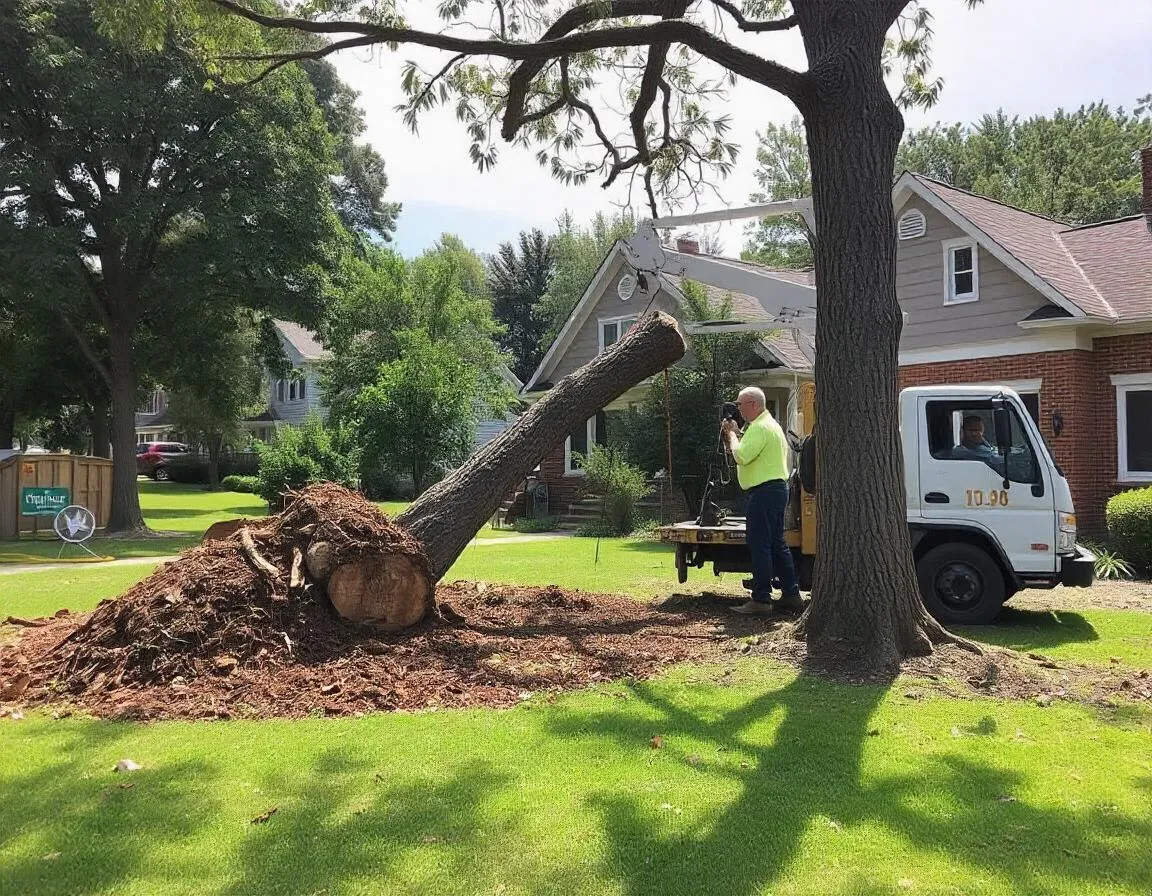
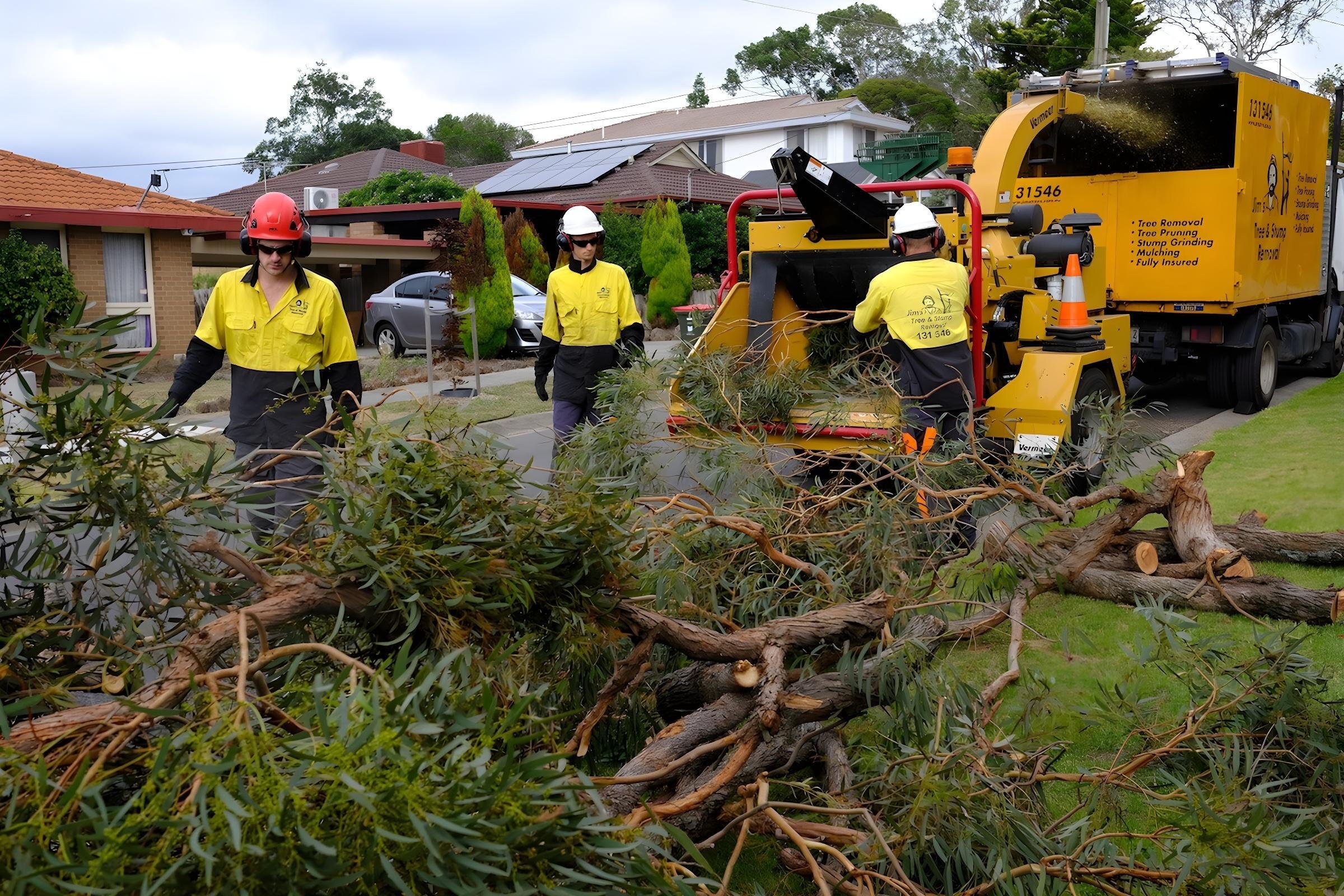
When a tree falls on your property, it can cause more than just a mess—it can block driveways, damage roofs, or even pose safety risks. Whether it’s due to a storm, strong winds, or decay, knowing who to call for fallen tree removal in Richmond, Virginia can make all the difference in how quickly and safely the issue gets resolved. In this guide, we’ll walk you through what to do after a tree falls, which professionals to contact, and how to choose the right company for fast and reliable service. Emergency Tree Removal Service in Richmond When a storm hits Richmond or nearby areas like Henrico County, VA, fallen trees can happen without warning. The first step is to contact a professional emergency tree removal service in Richmond. These experts are trained to respond quickly and safely, using advanced tree removal equipment such as cranes and chainsaws to clear even the most hazardous situations. A certified crew like Timberbrute handles all types of emergencies, from storm-damage tree removal to tree removal near power lines, ensuring your property is cleared efficiently without further damage. If you’re unsure where to start, skip the panic and call a trusted local expert immediately. Not only can they provide fast response times to prevent further property damage and restore safety, but they can also advise you on how do you prevent future tree problems so you’re better protected moving forward. Who to Call When a Tree Falls on a House in Richmond If a tree falls on your home, your first call should be to emergency services if there’s an immediate danger, like a downed power line or a structural collapse. Once everyone is safe, contact: Addressing the issue promptly helps reduce the risk of further damage to your home or nearby structures and ensures the work aligns with the Richmond tree replacement guidelines. Richmond, VA Storm Tree Cleanup & Removal After a storm, it’s common to find branches, limbs, or entire trees scattered across your property. A professional Richmond, VA storm tree cleanup & removal service can help you handle it all efficiently. These crews specialize in fallen tree cleanup and debris removal, ensuring your yard and property are restored to a safe, clean state. They’ll also check for any remaining hazardous trees that might pose a future threat, especially if roots or trunks are weakened. Companies like Timberbrute use specialized tree removal equipment cranes and wood chippers to clear large areas safely, ideal for both homeowners and commercial properties recovering from severe weather. Residential Fallen Tree Removal in Richmond for Homeowners For homeowners, fallen trees can be overwhelming, especially if they block driveways or damage outdoor spaces. Residential fallen tree removal in Richmond focuses on safely cutting, lifting, and hauling away debris without harming your landscaping or property structures. At Timberbrute, our emergency tree service crew works around the clock to handle residential calls quickly. Whether you need full stump grinding or stump removal after a fallen tree, we take care of every detail so you can focus on restoring normalcy at home. If you live in neighboring areas, our reliable tree removal in Bon Air, VA service also ensures quick response and thorough cleanup. Commercial Property Fallen Tree Removal in Richmond Businesses can’t afford downtime after a storm. A fallen tree on a commercial property can disrupt operations, pose liability risks, or block customer access. That’s where professional commercial property fallen tree removal in Richmond comes in. Timberbrute’s team provides rapid response and full-service tree removal and debris removal, including large-scale cleanups for offices, retail centers, and industrial sites. We ensure safety compliance while minimizing disruption to your business activities. Our certified team assesses the site, clears debris efficiently, and even helps with insurance documentation when needed. Cost to Remove a Fallen Tree in Richmond, VA The cost to remove a fallen tree in Richmond, VA varies depending on several factors: On average, homeowners can expect to pay between $350 and $1,200 depending on these conditions. How to Choose a Tree Removal Company in Richmond, VA Selecting the right company for fallen tree removal can save you time, money, and stress. Here’s what to look for: Final Thoughts Dealing with a fallen tree is never convenient, but knowing who to call for fallen tree removal in Richmond makes the process much easier. A trusted professional like Timberbrute ensures fast, safe, and complete removal—from the initial emergency response to final cleanup and stump grinding. If you’re facing storm damage or a fallen tree situation, don’t wait. Visit our Contact Us page to get help from Richmond’s most trusted emergency tree removal team today. Frequently Asked Questions 1. What should I do immediately after a tree falls on my property in Richmond? Ensure safety first. Stay away from the area, especially if power lines are involved, and contact emergency services. Then call a professional tree removal company like Timberbrute for inspection and cleanup. 2. How much does it cost to remove a fallen tree in Richmond, Virginia? Costs typically range from $350 to $1,200, depending on the tree’s size, location, and complexity of removal. 3. Does homeowners’ insurance cover fallen tree removal in Richmond? Yes, most policies cover removal if the tree damages your property or blocks access. Always confirm with your insurer. 4. How long does it take for a tree removal company to respond to an emergency fallen tree removal in Richmond? Reputable companies like Timberbrute offer same-day or 24/7 emergency response, depending on the severity and location. 5. What credentials should a tree removal company have in Richmond? Choose a company with ISA certification, full insurance, and experienced emergency tree service crews for safety and reliability.

How to Estimate Tree Removal?

How to Estimate Tree Removal?

If you’ve ever needed to take down a tree in your yard, you already know it’s not as simple as just cutting it down. Estimating the cost of tree removal involves several factors, from tree size and location to stump removal and debris cleanup. Understanding these elements can help you make smarter, cost-effective decisions and avoid unexpected expenses. Let’s break down how to estimate tree removal effectively and what you should expect when hiring a professional tree removal service in Richmond, VA. How Much Does Tree Removal Cost? The cost to remove a tree varies depending on several factors. On average, tree removal services in Richmond can range between $300 and $1,500 per tree. Smaller trees with easy access cost less, while large or hazardous trees that require special equipment or safety measures tend to cost more. If you’re searching for tree removal in Chester, VA, you’ll notice prices differ slightly depending on the area, local regulations, and accessibility. When calculating the total project cost, it’s also important to understand what size excavator for stump removal may be required depending on the stump’s size and root depth. Factors That Determine Tree Removal Price When requesting a tree removal estimate breakdown, these are the most common factors professionals consider: How to Get an Accurate Tree Removal Estimate To get a clear picture of the tree removal cost per tree, request a written quote from a certified professional like Timberbrute. An accurate estimate should include: Always confirm whether the quote is comprehensive or if there are additional charges for services like limb removal or travel. When estimating the total project budget, it helps to understand the average cost of tree removal and the factors that influence pricing. Tree Size, Location & Access: Cost Drivers Tree size plays the biggest role in cost. For example: If access to your property is limited or requires crane-assisted removal, your quote will likely be higher. When estimating your project budget, it’s helpful to understand the hourly cost of tree removal and how labor, equipment, and tree size can affect pricing. Along with tree removal, it’s helpful to evaluate stump removal pricing to get a full picture of project expenses. Stump Removal, Debris Haul & Additional Charges Many people forget that tree removal doesn’t always include stump grinding. Some companies charge separately for this service since it requires specialized machinery. Additional costs might include: If you’re planning full yard cleanup or lot clearing, bundling services can often reduce the overall expense. Comparing Quotes: What to Ask Your Tree Service When comparing tree service quote samples, focus on more than just price. Here are some essential questions to ask: Professional companies like Timberbrute ensure every detail is handled safely and efficiently, so you can rest easy knowing your property is in expert hands. DIY vs Professional Tree Removal: Estimating Your Options You might be tempted to handle a small tree yourself, but before you grab a chainsaw, consider this, DIY tree removal can be risky without the right tools, safety gear, or knowledge. While a DIY approach might seem cheaper upfront, the cost of potential injury or property damage can far outweigh professional fees. Certified arborists use proper techniques and equipment to handle even the most challenging jobs safely. Estimation Checklist for Tree Removal Jobs Before hiring a contractor, use this quick checklist to ensure you’re getting an accurate estimate: For a smooth and transparent experience, reach out to Timberbrute, your trusted partner for professional tree removal in Chester, VA and nearby areas. Final Thoughts Getting the right estimate for tree removal doesn’t have to be confusing. Understanding the factors that influence cost and knowing what questions to ask can save you both time and money. If you’re ready to remove a tree safely and efficiently, connect with Timberbrute today. Visit our Contact Us page for personalized estimates and expert guidance tailored to your property needs in Richmond, VA. Frequently Asked Questions 1. How much should I expect to pay for tree removal in Richmond? Prices typically range from $300 to $1,500 depending on the tree’s size, location, and complexity of removal. 2. What factors affect the cost of removing a tree? Tree height, type, accessibility, and whether stump grinding or debris removal is included all influence pricing. 3. Should I get multiple quotes for tree removal, and what should I compare? Yes. Compare itemized estimates, insurance coverage, safety standards, and included services before hiring. 4. Is stump removal always included in a tree removal estimate? Not always. Confirm with your contractor whether stump grinding and debris haul-off are part of the quote. 5. When is DIY tree removal not recommended and a professional estimate required? If the tree is large, near structures, or requires special equipment, always hire a professional to ensure safety.

What Does Tree Removal Include

What Does Tree Removal Include

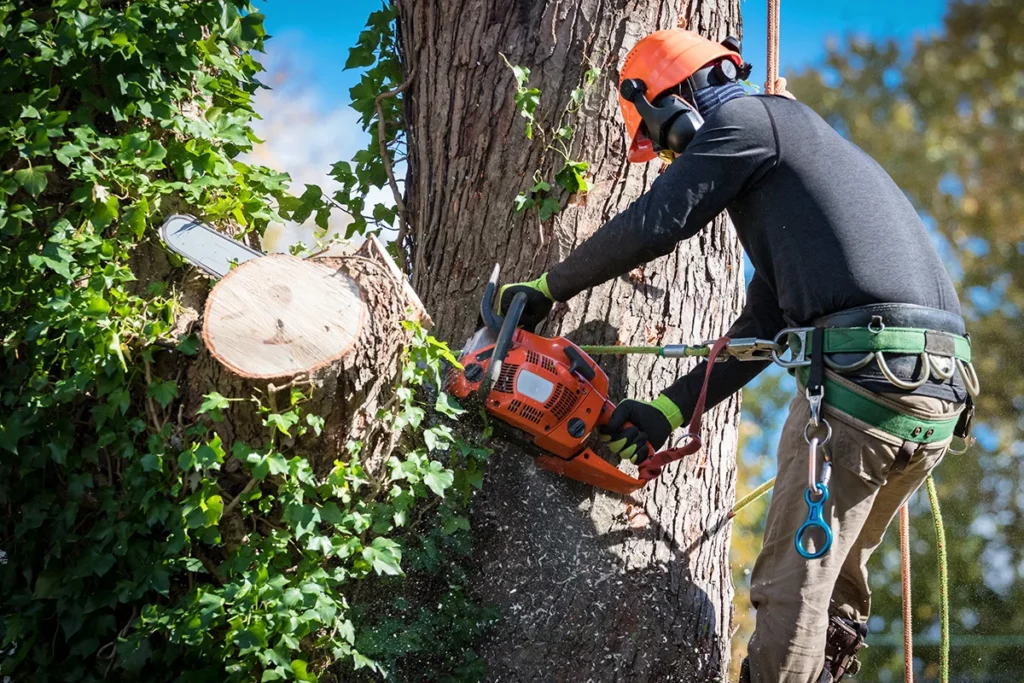
Tree removal can seem like a simple “cut it down” job, but there’s much more to it than meets the eye. When a tree becomes hazardous, diseased, or starts threatening your property’s safety, hiring a professional service is the best decision you can make. But before you reach out to a tree removal company, it’s helpful to understand exactly what a full tree removal includes, from initial inspection to final cleanup. In this post, we’ll walk through the full process, what’s typically covered, and how Timberbrute, your trusted tree service provider in Richmond, VA, handles every step with safety, efficiency, and care. Overview of Tree Removal Services Tree removal is a specialized service that involves safely cutting down and removing a tree from your property. This can be for safety reasons, aesthetic improvements, or to make room for new construction or landscaping. Professional tree removal in Richmond like Timberbrute typically begin with an on-site inspection to evaluate the tree’s condition, nearby structures, and safety hazards. From there, the team determines the safest and most efficient way to remove it. The process includes several stages, from preparation and cutting to debris removal and stump grinding. What’s Included in a Full Tree Removal Job A complete tree removal includes much more than just cutting down a tree. A reputable tree removal company typically handles the following: At Timberbrute, we ensure that every step is handled carefully, so your property remains safe, clean, and ready for what’s next. Steps & Process of Tree Removal Let’s break down the tree removal process step by step: When you hire Timberbrute, you can count on a well-organized process that prioritizes safety and precision from start to finish. Emergency vs. Standard Tree Removal Sometimes, tree removal can’t wait. After a storm or sudden damage, emergency tree services are necessary to protect your property and family. Emergency tree removal usually involves: In contrast, standard tree removal is planned and scheduled in advance, allowing more flexibility with timing and equipment use. Whether you need emergency help or routine tree removal in Montpelier, VA, Timberbrute is equipped to handle it quickly and safely. Additional Services Often Included (Stump Grinding, Debris Haul-Off) Beyond the actual cutting, most full-service companies include stump grinding, debris haul-off, and even lot clearing services if needed. Some homeowners also request tree removal and stump grinding together to save time and cost, something Timberbrute frequently recommends for a smooth, complete finish. Permits, Safety & Equipment Considerations Tree removal in Richmond, VA, often requires safety and permitting considerations, especially for large or protected trees. Here’s what professionals manage for you: Following tree removal safety guidelines is non-negotiable. Our team always adheres to OSHA standards and uses the latest tools to ensure safe, clean, and damage-free results. How Much Does Tree Removal Cost & What Affects It Tree removal costs vary depending on several factors, including: In Richmond, homeowners typically spend between $300 to $1,500 for standard tree removal. For accurate pricing, it’s best to schedule an on-site evaluation with Timberbrute. How to Choose a Tree Removal Contractor Choosing the right tree removal company can make all the difference. Here’s what to look for: When you choose Timberbrute, you’re partnering with a trusted local team known for professionalism, safety, and reliable service. Conclusion Tree removal isn’t just about cutting down a tree, it’s about safety, precision, and property care. A complete tree removal includes everything from inspection to cleanup, ensuring your yard looks better and safer than before. If you’re searching for dependable tree removal near me or want expert guidance from Richmond’s trusted specialists, reach out to Timberbrute today. To discuss your specific needs or request a quote, Contact Us, we’re here to help you keep your property safe and beautiful. Frequently Asked Questions 1. What steps are included in a typical tree removal service? A standard tree removal includes inspection, cutting, trunk removal, debris haul-off, and optional stump grinding. 2. Does tree removal always include stump grinding and debris removal? Not always. These are often optional services, but Timberbrute offers them for a complete cleanup. 3. How much does tree removal cost in the U.S., and what factors affect price? Costs range from $300-$1,500 depending on size, location, and added services like stump grinding or lot clearing. 4. Do I need a permit for tree removal in Richmond? Yes, certain trees may require city permits. Our team helps handle all permit requirements for you. 5. What safety precautions should I expect when hiring a professional tree removal contractor? Expect safety gear, trained crews, and adherence to OSHA and local tree removal safety guidelines to protect your property.

What Is Stump Grinding

What Is Stump Grinding

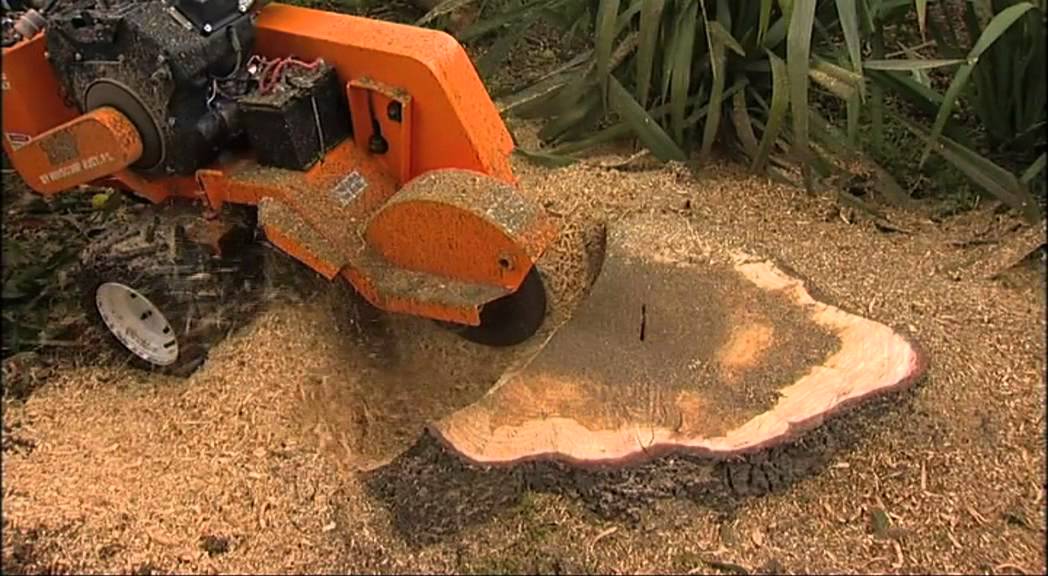
Got a tree stump killing your yard’s vibe? You’re not alone. Many Richmond homeowners deal with leftover stumps after tree removal and wonder what to do next. That’s where stump grinding comes in. It’s the clean, efficient way to erase that eyesore and reclaim your outdoor space. In this guide, you’ll learn what stump grinding is, how it works, how much it costs, and why Timber Brute is the local go-to for professional results. Tree stump grinding is the process of shaving a tree stump down below ground level using a machine fitted with a high-speed rotating cutting wheel. The goal is to turn the stump into wood chips, leaving the area level and ready for landscaping. It doesn’t remove the entire root system like stump removal does. Instead, it grinds the visible portion and part of the root flare so the stump disappears without disturbing your yard. Homeowners often want to learn about the differences between stump grinding and stump removal to determine the most practical method for their yard. After understanding the process, many homeowners ask how soon after stump grinding can you plant to restore their landscape. Key Takeaways Why Homeowners Choose Stump Grinding A leftover stump isn’t just ugly. It can cause real problems if ignored. Over time, old stumps attract pests like termites, ants, and beetles. They can also regrow or decay, creating soft, unsafe patches in your yard. Grinding eliminates these risks. It also makes mowing easier, prevents tripping hazards, and gives your yard a smooth, usable surface again. It’s also cheaper and less disruptive than complete removal, which requires heavy digging and root extraction. How Stump Grinding Works Equipment and Mechanism A stump grinder is a powerful tool that uses a spinning steel wheel with sharp teeth to chip away wood. Depending on the job, pros use different models: The machine cuts layer by layer, reducing the stump to mulch within minutes. The Process Step by Step First, the area is cleared of rocks and debris. The operator positions the grinder over the stump and lowers the wheel. Then the machine grinds the stump down in passes until it’s several inches below grade. Once finished, the wood chips can be left as mulch or removed. Many homeowners choose to fill the hole with soil and level the ground for new grass or plants. Homeowners who need complete stump removal can also explore our professional stump removal in Manakin Sabot VA services. Limitations and Risks Grinding has a few limits. Shallow utilities, stones, or tight access points can restrict machine movement. Some tree species, such as poplar or willow, can continue to produce new shoots if parts of the root system are still alive, which often leads to issues like root regrowth after stump removal. This is why working with a professional tree service in Richmond is so important, since they know how to remove the tree safely and address the roots properly to prevent future regrowth. Stump Grinding vs Stump Removal Both methods get rid of unwanted stumps, but they do it differently. If you’re not tearing up your yard for a new foundation, grinding is often the smarter choice. Cost Factors and Typical Prices in Richmond The cost of stump grinding in Richmond depends on a few factors: On average, Richmond homeowners pay around $150–$300 per stump, though large or hard-to-reach stumps can cost more. Timber Brute offers fair, transparent pricing with detailed estimates before work begins — no surprises, just clean results. Factor Effect on Price Stump Size Larger = Higher Cost Root Depth Deeper Grinding = More Labor Access Tight or Fenced Areas = Extra Time Cleanup Optional Chip Removal Adds Cost Choosing a Tree Service for Stump Grinding When hiring a tree service, look for insured and experienced professionals with the right equipment. Ask key questions: Local companies like Timber Brute have earned the trust of Richmond homeowners by providing safe, efficient tree stump grinding and expert guidance on tree removal on your property line. Their team understands local soil conditions and makes sure every job is completed with precision and care the first time around. After the Job: What to Do Next Once the stump is gone, you can decide what to do with the space. If you’re replanting, let the soil settle for a few weeks before adding new grass or sod. You can also use leftover wood chips as mulch in your garden. Keep an eye out for minor settling and refill with topsoil if needed. Within weeks, the area will blend seamlessly into your yard. If you’re deciding between grinding or full removal, our stump grinding and stump removal in Lakeside VA services provide the right solution for your property. Frequently Asked Questions 1. How deep does stump grinding go? Typically, 4–6 inches below ground level, but deeper grinding is possible if you plan to replant. 2. Can I plant a tree where a stump was ground? Yes, but it’s best to wait a few months or slightly shift location to avoid decomposing roots. 3. Is stump grinding safe for DIY? Not really. Grinders are heavy, high-powered machines that require skill and protective gear. 4. What happens to the wood chips? They can be left as mulch or hauled away for an extra fee. 5. Will the stump regrow after grinding? In most cases, no. If it does, a quick follow-up grind or herbicide stops regrowth. Conclusion Tree stumps might look harmless, but they can become a long-term headache. Tree stump grinding offers the perfect middle ground — fast, affordable, and tidy. It gives your yard a clean slate without tearing up the soil.If you’re in Richmond and want those old stumps gone for good, Timber Brute delivers expert service backed by local experience. Reach out today and make your lawn smooth, safe, and ready for whatever comes next. If you need help removing a stump from your property, consider hiring experts for stump grinding services in Manakin.

What Is Tree Stump Removal

What Is Tree Stump Removal

Cutting down a tree isn’t the end of the job. That stubborn stump sitting in your yard can stick around for years. If you’ve ever wondered what to do with it, you’re not alone. Many Richmond homeowners face the same question: remove it or leave it? This guide breaks down exactly what tree stump removal involves, why it matters, and when to call in a pro like Timber Brute to get it done right. Homeowners looking for professional stump removal in Lakeside VA can rely on experienced crews to safely remove unwanted stumps and restore their yard. Before deciding on a solution, it’s helpful to understand stump grinding vs stump removal and which option works best for your property Once the stump is removed, the next step is to kill tree roots after stump removal to prevent regrowth. Key Takeaways What Is Tree Stump Removal? Tree stump removal is the process of eliminating the visible stump and underground roots left after a tree is cut down. There are two main approaches: stump grinding and complete root removal. Grinding uses specialized equipment to shave the stump down below ground level, while full removal digs out the stump and major roots entirely. Most Richmond homeowners choose grinding because it’s faster, cleaner, and less disruptive. Still, if you’re planning new construction or landscaping near deep-rooted stumps, professional tree removal in Glen Allen, VA might be the smarter move to prevent future interference. Why Remove a Stump? (Benefits & Risks) A leftover stump might look harmless, but once you learn what is stump grinding and why it’s important, you’ll realise that stump removal helps prevent the many hidden problems it can cause. Bottom line: when planning tree care, many homeowners wonder, does tree removal include stump? Addressing the stump as part of the process keeps your yard safe, clean, and easier to maintain. Methods of Stump Removal Stump Grinding A stump grinder is the most common and efficient option, using a rotating blade to chip away the wood until it’s several inches below the soil. It’s often chosen by homeowners wondering is tree stump removal necessary, since this method quickly eliminates the visible stump and prevents future issues. Full Root Extraction This involves pulling out the stump and its entire root system using excavation tools or heavy machinery. Chemical or Natural Decay If you’re not in a hurry, chemical stump removers or natural decay methods can break down wood over months. Each method has its place, depending on your property goals and timeline. How the Process Works Step by Step Our team follows a systematic approach to guarantee both safety and precision. Learn more about how we complete your tree removal to understand each step of the process. Step Description Time Site Inspection Evaluate the stump and surroundings 10–15 min Grinding Mechanically remove the stump 30–60 min Cleanup Remove debris or use as mulch 15–30 min Refill Add topsoil or seed the area 20 min For most Richmond yards, the entire job takes under two hours per stump. Cost Factors & Typical Pricing in Richmond Tree stump removal costs vary, but here’s what to expect locally. Average price: $150–$400 per stump. Smaller ones may cost as little as $75, while large, deep-rooted stumps can reach $600+. What affects the price: Ask for quotes from local experts like Timber Brute Tree Service to get an accurate estimate. They’ll inspect your site, address common concerns such as are burning tree stumps dangerous, and recommend the most efficient approach. DIY vs Hiring a Professional Tree Service DIY stump removal might sound cheaper, but it’s rarely that simple. Renting a grinder, hauling debris, and ensuring safety all take time and skill. DIY works best for small, softwood stumps, and if you already have the tools. However, for large or multiple stumps, hiring a professional saves money long term. Pros like Timber Brute handle everything, from assessing the stump to cleaning up your yard afterward. They’re insured, trained, and equipped to do the job safely. Quick tip: When comparing quotes, ask about insurance, cleanup policy, and estimated completion time. Choosing a Reliable Service in Richmond Not all tree services are created equal. Look for a company that’s licensed, insured, and experienced with Richmond’s clay soil and weather conditions. Read reviews, ask for references, and request a written quote before agreeing to any work. Timber Brute, a trusted local tree service, provides full stump removal, trimming, and land clearing across the Richmond area. Their pros know how to handle everything from backyard cleanups to large-scale projects. Frequently Asked Questions 1. How long does stump removal take? Most jobs take one to two hours per stump, depending on size and access. 2. Will the roots regrow after grinding? Usually not, especially when the ground is below soil level. 3. Can I plant a new tree in the same spot? Yes, but wait a few weeks to allow the soil to settle and roots to decay. 4. Is stump removal included in tree removal? Not always. Some companies charge extra, so ask before scheduling. 5. Does grinding damage my lawn? No, professionals take precautions to protect the surrounding grass and landscaping. Conclusion Tree stump removal isn’t just about appearance — it’s about safety, property health, and reclaiming your outdoor space. Whether you’re dealing with one old stump or several, getting professional help ensures the job’s done right.If you’re in Richmond, reach out to Timber Brute for a quick quote and expert stump removal service that leaves your yard smooth, safe, and ready for whatever’s next. Contact Sandston stump grinding experts if you want to remove unwanted stumps and restore your yard’s appearance. After stump removal is complete, the next step often involves restoring your lawn after tree removal to create a smooth and healthy landscape.

What to Do When a Tree Falls on Your House

What to Do When a Tree Falls on Your House

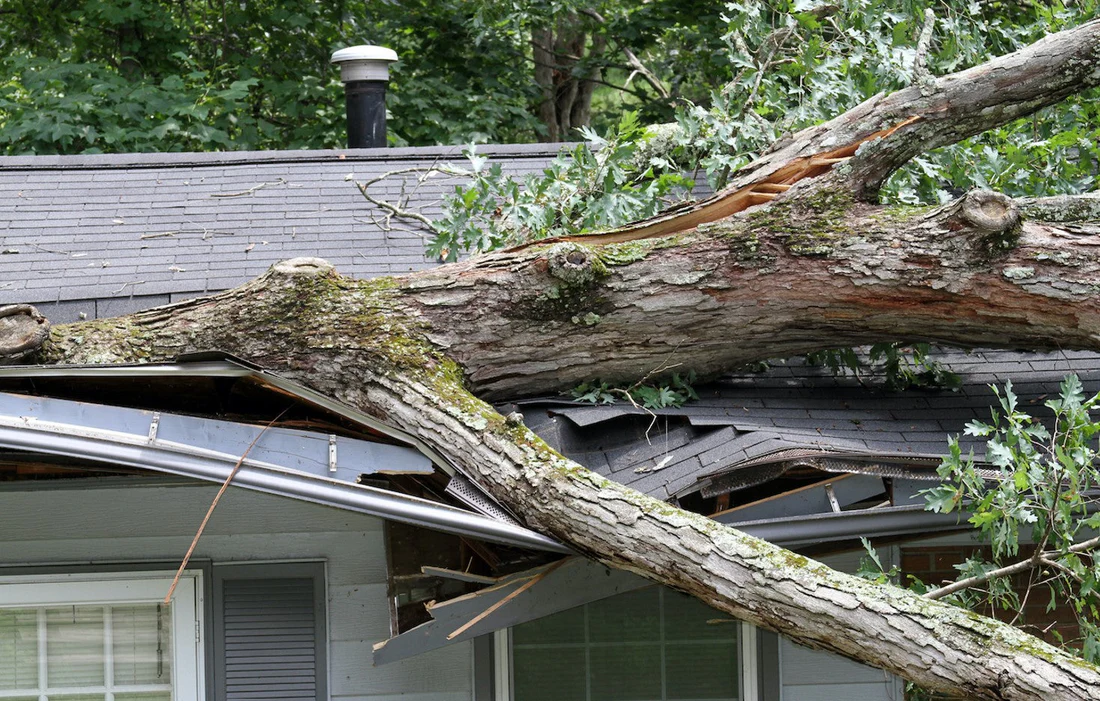
It happens fast. A storm hits Richmond, and suddenly, there’s a tree where your living room used to be. The first few minutes can feel chaotic, but staying calm is key. You’ll need to think about safety, insurance, and repairs in that order. This guide walks you through what to do when a tree falls on your house, how to protect your family, and when to call a tree removal service you can trust. What to Do When a Tree Falls on Your House If a tree falls on your house, evacuate, ensure safety, document the damage, contact your insurance company, and call a certified tree removal service immediately. Key Takeaways 1. Immediate Safety Moves Your first job is to get everyone out safely. Evacuate your home as soon as you notice structural damage or hear a heavy crash. Stay clear of fallen trees, especially if they touch power lines. Electricity can travel through branches or metal gutters, putting you at risk of shock. If you suspect a gas leak or damaged utilities, turn them off only if it’s safe. Otherwise, call 911 and your utility providers right away. Once everyone is safe and emergency crews have arrived, avoid re-entering the house until it’s cleared by professionals. Safety first, cleanup later. 2. Document the Damage Before moving debris or starting repairs, take clear photos and videos. Capture the tree, the point of impact, and any interior damage. Include close-ups, wide shots, and multiple angles. If you can do it safely, record timestamps and weather conditions. Keep notes on what happened when you discovered the damage, who you spoke to, and what emergency services arrived. These details help your insurance claim move faster. Don’t remove the tree yet. Let your insurance adjuster and tree removal service see the full situation first. 3. Notify Insurance and the City Once you’re safe and have photos, contact your homeowners’ insurance provider. Most policies cover structural damage caused by falling trees, though coverage may vary depending on the cause (like storm vs. neglect). Explain what happened and provide photos. Your insurer will assign an adjuster to inspect the property. In Richmond, check whether the fallen tree is privately owned or city-maintained. If it’s on public property, the Richmond Urban Forestry Division may handle removal or permits. You can find guidance and forms on rva.gov. If the tree were on your property, you’d likely need to hire a tree service to remove it. Make sure your insurer approves before starting any paid work. 4. Call a Reputable Tree Removal Service Tree removal after a storm is no DIY project. Fallen trees can be unstable, heavy, and tangled with power lines. Hire a licensed and insured tree removal service that offers emergency response. Ask for proof of insurance, experience handling storm damage, and references. A professional crew like Timber Brute in Richmond uses specialized equipment to safely cut, lift, and remove fallen trees without causing further damage. They can also tarp your roof, remove debris, and coordinate with your insurance adjuster. Avoid door-to-door contractors who show up after storms, and instead choose a local, reputable company with verifiable credentials and reliable emergency service availability. Taking time to understand what is cheapest time of year for tree removal can also help you plan ahead and avoid rushing into hiring unqualified contractors. 5. Home Repairs and Roof or Structural Work Once the tree is removed, it’s time to address the home itself. Start with temporary repairs to prevent further damage: tarps, plastic sheeting, or boarding up windows. Next, schedule inspections with licensed roofers or contractors to check for hidden structural issues. Cracked trusses, damaged gutters, or leaks may not be obvious at first glance. If your insurer is covering repairs, they may require estimates from approved contractors. Keep copies of all receipts and communications for reimbursement. Coordinating your tree removal service and repair team ensures a smoother process. One handles debris, the other restores your home’s integrity. 6. Preventing Future Incidents You can’t control every storm, but you can reduce the risk of trees falling again. Schedule yearly tree inspections with a certified arborist so potential issues like decay, root damage, or disease are caught early. Regular pruning also helps manage trees too close to your house, especially branches that extend toward your roof or nearby power lines. After heavy rain or wind, inspect your yard for leaning trees or exposed roots. These are warning signs of instability. Proactive maintenance not only protects your home but can also improve your property’s curb appeal and safety. 7. Cost Considerations and Budgeting Tree removal and repairs vary widely depending on size, location, and severity. In Richmond, average tree removal service costs range between $500 and $2,000, but emergency removals can be higher due to equipment and time. If the tree caused structural damage, insurance usually covers removal, roof repair, and cleanup. However, if it fell without damaging structures, you may be responsible for removal. To manage costs: Don’t let price alone decide; expertise and safety matter most. Frequently Asked Questions 1. Will homeowners’ insurance cover a fallen tree? Yes, if it damaged your home or another insured structure. Coverage may vary based on the cause. 2. Who pays if my neighbor’s tree falls on my house? Your insurance covers your property, then may recover costs from your neighbor’s insurer if negligence is proven. 3. Do I need a permit to remove a tree in Richmond? You might, especially for public or protected trees. Contact Richmond Urban Forestry before removal. 4. How soon should I call a tree removal service? Immediately after ensuring safety, Prompt removal prevents further damage and speeds up repairs. 5. Can a tree removal company fix my roof, too? Some offer temporary repairs or tarping, but structural work is typically done by roofing contractors. Conclusion When a tree falls on your house, it’s stressful but manageable when you take the right steps. Start with safety, document everything, call your insurer, and bring in professionals to handle removal … Read more

How Long Does Tree Removal Take?

How Long Does Tree Removal Take

Tree removal isn’t something homeowners do often, but when the time comes, timing matters. You want the job done quickly, safely, and without tearing up your yard. So how long does it actually take? The answer depends on your tree’s size, condition, and location, but this guide breaks it all down so you know what to expect from a professional tree removal service in Richmond. How Long Does Tree Removal Take? Most trees take between one hour and a full day to remove, depending on size, access, and complexity. Key Takeaways Why the Duration Varies Tree removal isn’t a one-size-fits-all project. Each job has its own challenges based on what’s around the tree, how tall it is, and how dense the wood feels when the saw hits it. A small backyard maple can come down in under two hours. A 70-foot oak close to power lines may take all day with a full crew, ropes, and specialized rigging. These differences explain why your neighbor’s job might be done before lunch, while yours stretches into the evening—another reminder of why it helps to know how to hire a tree removal service that can assess your specific situation accurately. Time Estimates by Tree Size Here’s a general guide to how long removal can take for different tree sizes: Tree Size Height Range Average Time Includes Small Up to 20 ft 1–2 hours Cutting + cleanup Medium 20–50 ft 2–4 hours Removal + hauling Large 50–80 ft 4–8 hours Full-day project Very Large / Complex 80 ft + or near structures 1–2 days Rigging + safety setup Keep in mind, these are average times for experienced crews. However, factors like rot, leaning, or nearby obstacles can slow things down—especially if you’re figuring out who is responsible for tree removal on your property line before work begins. Key Factors That Affect Time 1. Location and Accessibility Tight backyards, fences, or nearby homes limit equipment access. Crews may need to climb and rope down sections instead of using a bucket truck, adding hours. 2. Tree Condition and Health Dead or decayed trees are unpredictable. They require careful cutting to prevent collapse, which slows down the process. 3. Species and Wood Density Hardwoods like oak or hickory take longer to cut through than softwoods such as pine. Dense logs also take longer to haul and chip. 4. Slope and Ground Conditions Uneven ground, mud, or icy soil in Richmond winters can reduce stability for heavy machinery and delay progress. 5. Permits and Local Rules In Richmond, removing large or protected trees might require a city permit. Waiting on approval can add extra days before work starts. 6. Weather and Season Rain, high winds, or lightning can force rescheduling. Crews prioritize safety over speed, especially during Virginia’s storm seasons. 7. Stump Removal If you include stump grinding, tack on another 30–90 minutes depending on root size and depth. Each factor plays a role, but skilled teams plan to minimize surprises. The Typical Tree Removal Process A professional tree service like Timber Brute follows a structured approach to keep the project efficient and safe. Each stage adds time, but it ensures safety and a thorough cleanup—especially when you already know what to ask when hiring a tree removal service to make sure the process is handled correctly. Special Cases & Challenges Not every removal is straightforward.Here are a few situations that often extend project timelines: These aren’t deal-breakers, but they do require patience and expertise. How to Reduce Delays A little preparation can shave hours off your tree removal time. When homeowners and contractors work together, the process runs smoothly and safely. Frequently Asked Questions 1. Will stump grinding happen the same day? Usually, yes, unless the crew needs to return with a grinder for large roots. 2. Do I need a permit in Richmond? Permits may be required for large or heritage trees. Your tree removal service can confirm before starting. 3. Can bad weather delay the job? Yes, heavy rain or wind can push work to the next safe day. 4. How soon can crews start after hiring? Most Richmond companies schedule within a few days, depending on workload and permits. 5. Can I remove a tree myself to save time or money? DIY tree removal is risky. Hiring professionals saves time and prevents property damage. Conclusion Tree removal can take anywhere from one hour to a full day, depending on your tree’s size, condition, and access. By preparing ahead and hiring a skilled tree removal service, you’ll save time, protect your property, and avoid headaches. If you’re in Richmond and need fast, reliable help, Timber Brute offers safe, efficient removals backed by expert care.  Get your free estimate today and make that problem tree a memory.

Who Is Responsible for Tree Removal on Your Property Line?

Who Is Responsible for Tree Removal on Your Property Line?

You look out your window and see a massive oak leaning across the fence line. It’s shading your yard, dropping leaves, and maybe even cracking your driveway. Now comes the big question: who handles the removal bill? Tree ownership and responsibility can get tricky, especially when property lines are involved. This guide breaks down what Virginia law says, what’s considered fair, and when calling a tree removal service like Timber Brute is the smart move. Who Is Responsible for Tree Removal on Your Property Line? If a tree sits right on your property line, both neighbours usually share ownership and must agree before removing it. If it’s entirely on one side, that property owner is responsible for maintenance and removal costs. Key Takeaways What the Law Says in Virginia and Richmond In Virginia, tree ownership comes down to location. If the trunk stands entirely on your land, it’s yours — and so is the responsibility. But when it straddles the property line, it becomes a boundary tree, shared by both neighbours. You can’t remove or damage a shared tree without your neighbour’s consent. Doing so can violate Virginia Code § 18.2-140, which prohibits cutting trees on another’s land without permission. You do, however, have self-help rights. You can trim branches or roots that cross into your property — as long as you don’t harm the tree itself.  A 2008 Virginia Supreme Court case, Fancher v. Fagella, confirmed that property owners can act when a neighbour’s tree causes actual or imminent harm, such as root damage or structural risk. The bottom line: location and evidence of damage determine who’s responsible. When a Tree Sits Exactly on the Property Line A tree growing directly on the boundary is considered jointly owned. That means both parties must agree before any removal, trimming, or major pruning happens. If one neighbour removes it without consent, they could be liable for damages — even if they believe they’re protecting their property. In most cases, neighbours agree to share removal costs. If the tree poses a danger, like leaning toward a home or utility line, it’s often easier to split the bill than fight over it later. When in doubt, get the boundary surveyed before taking action. Encroaching Branches or Roots: Your Rights Branches hanging over your yard or roots creeping under your driveway can be frustrating. Fortunately, Virginia allows you to trim encroaching limbs or roots that cross the property line — up to the boundary. However, the trimming must not harm the tree’s health. Cutting too deeply or destabilising it could make you liable for damage. Experts recommend hiring a tree service with an experienced arborist to handle it safely and legally. Before cutting, take photos, note where the property line lies, and inform your neighbour. Clear communication avoids conflict and potential claims. Fallen Trees and Damage: Who Pays? When storms hit Richmond, downed trees aren’t uncommon. But who pays for the cleanup and repairs depends on the cause. If a healthy tree falls due to wind or lightning — an “Act of God” — the owner isn’t typically responsible for damage to the neighbour’s property. Each homeowner files a claim with their own insurance. But if the tree was clearly dead, rotting, or neglected, and the owner ignored warnings, they could be held liable for damages.  Virginia law recognises negligence when a property owner fails to maintain a dangerous tree that causes foreseeable harm. So, if your neighbour knew the tree was dying and did nothing, you may have grounds to seek compensation. How to Determine Responsibility (Survey, Evidence, Arborist) Before you call anyone with a chainsaw, confirm where the tree actually stands. A licensed surveyor can mark your property boundaries accurately — critical evidence in disputes. Next, a certified arborist can assess the tree’s condition and whether it poses a safety risk. Together, those reports form your best defence if disagreements escalate. Document everything: photos, dates, conversations, and expert opinions. That paper trail keeps you protected legally. In some situations, shared or boundary trees can also influence the impact of tree removal on property value for both neighboring properties. Steps to Resolve Disputes Resolving disputes early saves both money and neighbourly goodwill. When to Hire a Tree Removal Service (Timber Brute) Tree removal near property lines isn’t a DIY project. It involves risk, heavy equipment, and liability if anything goes wrong. That’s where professionals like Timber Brute come in. As a local tree removal service in Richmond, Timber Brute handles complex removals safely, with full insurance and experience in property boundary work. Hire experts when: A quick site inspection from Timber Brute can prevent costly legal or property headaches. Frequently Asked Questions 1. Can I force my neighbour to remove their tree? Only if it poses a clear danger or causes actual damage. Otherwise, you can trim branches up to your property line. 2. Who is liable if a tree falls during a storm? If it were healthy, no one would be at fault. Each homeowner’s insurance covers their own damage. 3. Can I cut my neighbour’s tree roots? Yes, up to your property line — but don’t destabilise or kill the tree. Always get expert advice first. 4. What if the tree is dead or unsafe? Document it and notify your neighbour in writing. If ignored, you can hold them liable if it causes harm. 5. Do I need a permit in Richmond for tree removal? Private property trees generally don’t need permits, but protected or street trees might. Check with Richmond City’s Urban Forestry Division before removal. Conclusion Tree disputes can get complicated fast — especially when ownership and responsibility blur along the fence line. Understanding Virginia’s laws and documenting everything helps you make smart, legal moves. And when it’s time for action, trust Timber Brute to handle the heavy lifting. Their team provides safe, insured, and efficient tree removal across Richmond, giving homeowners clarity and peace of mind.Contact Timber Brute today to schedule a free estimate or inspection.