
Budget is often the first concern when buying a new lot or expanding a backyard, and the question becomes, what is the cheapest method of clearing land? For Virginia property owners, costs vary depending on the approach. At Timberbrute, we’ve seen homeowners save thousands with the right strategy, while others lose just as much with common “rookie” mistakes. Whether prepping a site in the Blue Ridge foothills or clearing a residential lot in Richmond, balancing DIY labor with professional property preparation services is key. This guide explains affordable lot clearing options, compares manual work to machinery, and shows how to get the job done in Virginia without draining your savings.
Low-Cost Land Clearing Options That Actually Work
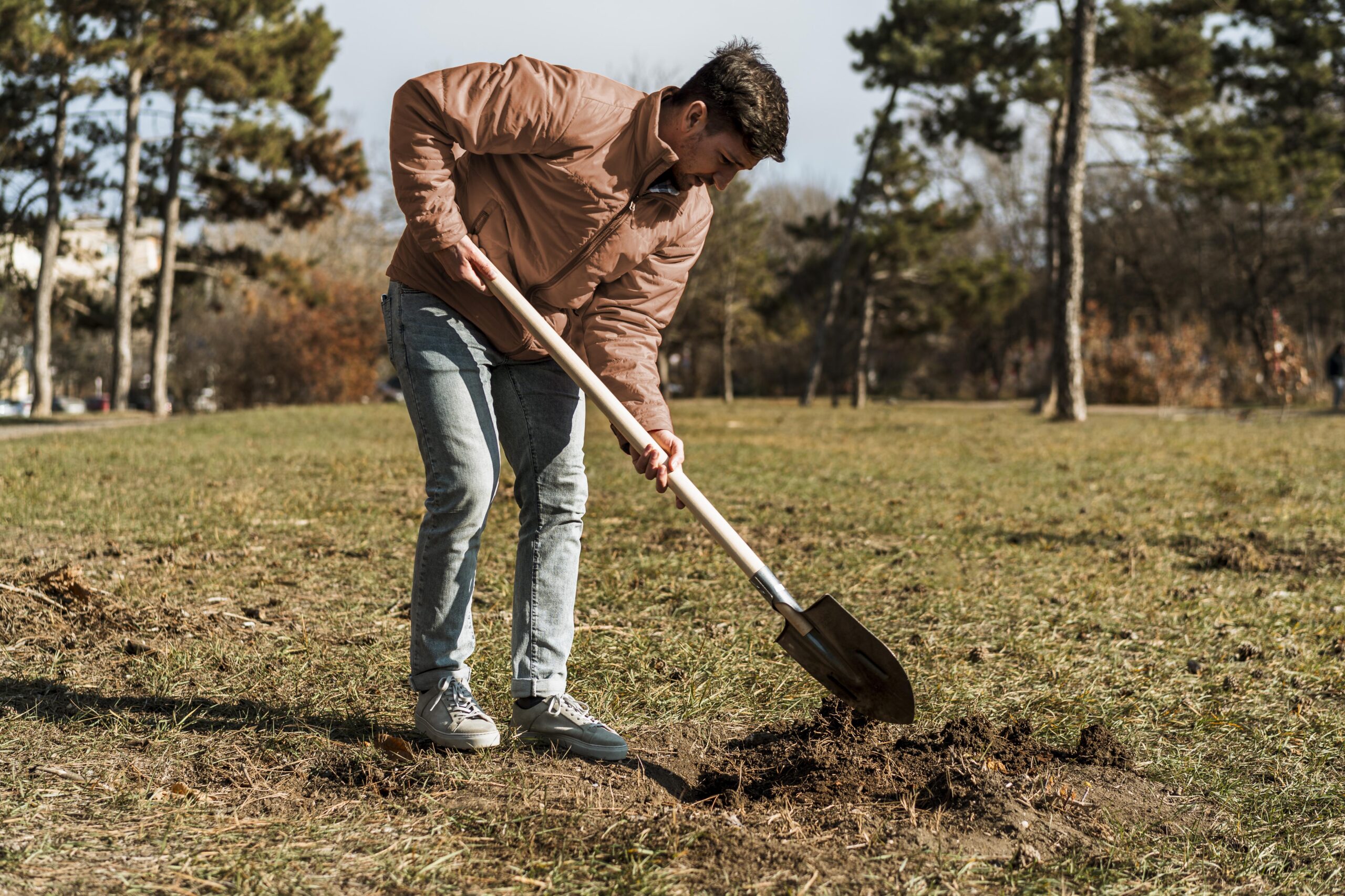
If you are looking for the cheapest way to clear property, the answer almost always starts with “sweat equity.” Hand-clearing is, by far, the most economical land cleanup method if you have the time and physical stamina. This involves using manual tools to remove brush, small saplings, and debris. While it costs very little in terms of cash, it is the most time-consuming site preparation process.
Another low-cost land clearing method is “forestry mulching.” While it involves hiring a professional with a specialized machine, it is often cheaper than traditional clearing because it combines cutting, grinding, and debris disposal into a single step. Instead of hauling away trees, the machine turns them into mulch that stays on-site to prevent erosion. This is a popular lot clearing solution for Virginia landowners who want a clean look without the high cost of debris transport.
Manual vs. Machinery: Which Saves More Money?
Deciding between manual labor and heavy machinery is a classic “time vs. money” debate. Clearing land without heavy equipment is technically the cheapest route, but it’s only feasible for smaller lots (under half an acre) or areas with light vegetation. If you’re facing a wall of invasive privet or dense Virginia pine, doing it by hand could take months.
The Cost of DIY Manual Clearing
- Pros: Zero rental fees, no fuel costs, minimal impact on landscape preparation.
- Cons: Extremely slow, physically exhausting, and requires a way to dispose of the brush.
The Cost of Machinery
Using vegetation clearing equipment like a skid steer or a brush hog is faster, but the rental fees and fuel can add up. However, if you can clear in one day what would take a month by hand, the machinery pays for itself in “opportunity cost.” For many, the most low-cost site preparation involves a hybrid approach: you do the light handwork and hire Timberbrute for the heavy lifting.

Smart Ways to Cut Costs Without Cutting Corners
To achieve an inexpensive brush removal project, you have to be strategic about timing and resources. One of the best budget land clearing tips is to schedule your work during the “off-season.” We’ve previously discussed what is the cheapest time of year for tree removal, and the same logic applies to land clearing. Late fall and winter are often the best times to find lower rates and better availability.
Use What You Have
Instead of paying to haul away timber, consider selling the wood or using it. Large hardwoods can sometimes be sold to local Virginia mills, while smaller branches can be chipped into free mulch for your garden. This reduces the brush removal techniques expenses significantly. You might wonder, what happens when you remove a tree? Usually, you’re left with a lot of organic material that, if managed correctly, can be turned into a resource rather than a waste product.
Tools and Equipment That Won’t Break Your Budget
If you’re committed to the DIY route, you don’t need a fleet of bulldozers. The right ground clearing tools can make a massive difference. For affordable lot clearing options, focus on these essentials:
- Chainsaw: Essential for anything larger than a 2-inch diameter.
- Brush Mower: Can be rented for a fraction of the cost of a full-size tractor.
- Pulaski or Mattock: The best manual tools for grubbing out roots and small stumps.
- Root Grapple: If you already own a tractor, this attachment is a game-changer for moving debris.
By focusing on high-impact vegetation clearing equipment rentals for short bursts of time, you keep your overhead low while maintaining high productivity.
Hidden Expenses Most Landowners Forget
The “sticker price” of land clearing isn’t always the final price. In Virginia, there are several hidden factors that can derail a budget.
- Permit Fees: Depending on your county (like Fairfax or Henrico), you may need land-disturbing permits if you clear over a certain acreage.
- Erosion Control: Once the vegetation is gone, Virginia’s clay soil can wash away in the first heavy rain. Silt fences are a necessary expense.
- Debris Hauling: If you can’t burn or mulch on-site, the cost of dumpsters and landfill fees is often the most expensive part of the job.
- Stump Grinding: Getting the tree down is one thing; getting the stump out so you can build or mow is another. What happens when you remove a tree? You’re left with a stump that requires specialized machinery to disappear.
Pro Tips to Clear Property Fast and Affordably
As a trusted Virginia land clearing expert, Timberbrute recommends a “bottom-up” approach. Start by clearing the underbrush first. Once you can see the “skeleton” of the land, you can identify which large trees actually need to come down and which can stay. Keeping mature trees not only saves on removal costs but also increases your property value and curb appeal.
Always check local Virginia burning ordinances before lighting a brush pile. In many areas, “burn seasons” are strictly enforced to prevent wildfires. If burning is legal and safe in your area, it is arguably the cheapest method of clearing land debris, but it requires constant supervision and a water source on standby.
Frequent Ask Questions
1. What is the cheapest way to clear land?
The absolute cheapest way is manual clearing using hand tools like axes, loppers, and chainsaws. It costs nothing but your time and effort. For larger plots, forestry mulching is the most cost-effective professional service because it eliminates hauling fees.
2. Is renting equipment cheaper than hiring professionals?
Usually, yes, if you know how to operate the machinery efficiently. However, if you spend three days struggling with a rented skid steer that a professional could run in four hours, you might end up paying more in rental fees and fuel than a pro would have charged.
3. Does burning vegetation reduce costs?
Significantly. Hauling debris to a landfill is expensive. If local Virginia regulations allow for controlled burning, you can eliminate the bulk of your waste for the price of a permit and some fire safety equipment.
4. How can I reduce land clearing expenses?
Clear the small brush yourself, sell any valuable timber, mulch the remaining debris on-site, and schedule the work during the winter months when demand for local services is lower.
5. Is DIY land clearing worth it?
It is worth it for small residential lots or light brush. For heavily wooded acreage or steep terrain common in parts of Virginia, the risk of injury and equipment damage often makes hiring a professional a safer and more “value-rich” choice.
Conclusion
Clearing your property doesn’t have to be a financial nightmare. By combining DIY manual labor with strategic professional help for the heavy tasks, you can find a path that fits your budget. Remember that the cheapest method of clearing land is the one that avoids expensive mistakes like damaging a neighbor’s property or violating local Virginia environmental codes. At Timberbrute, we specialize in helping Virginia landowners maximize their property’s potential without breaking the bank. Whether you need a full site preparation or just some expert advice on the best lot clearing solutions, we’re here to help.
Ready to start your project? Contact Timberbrute today for a free quote on our affordable land clearing services!