Timberbrute

Stump Grinding vs. Stump Removal: Which Is Better?
Stump Removal

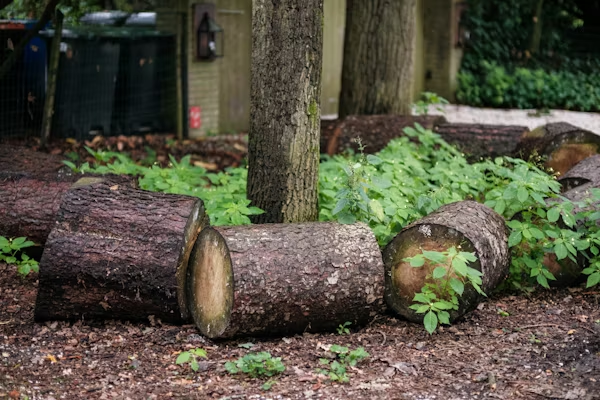
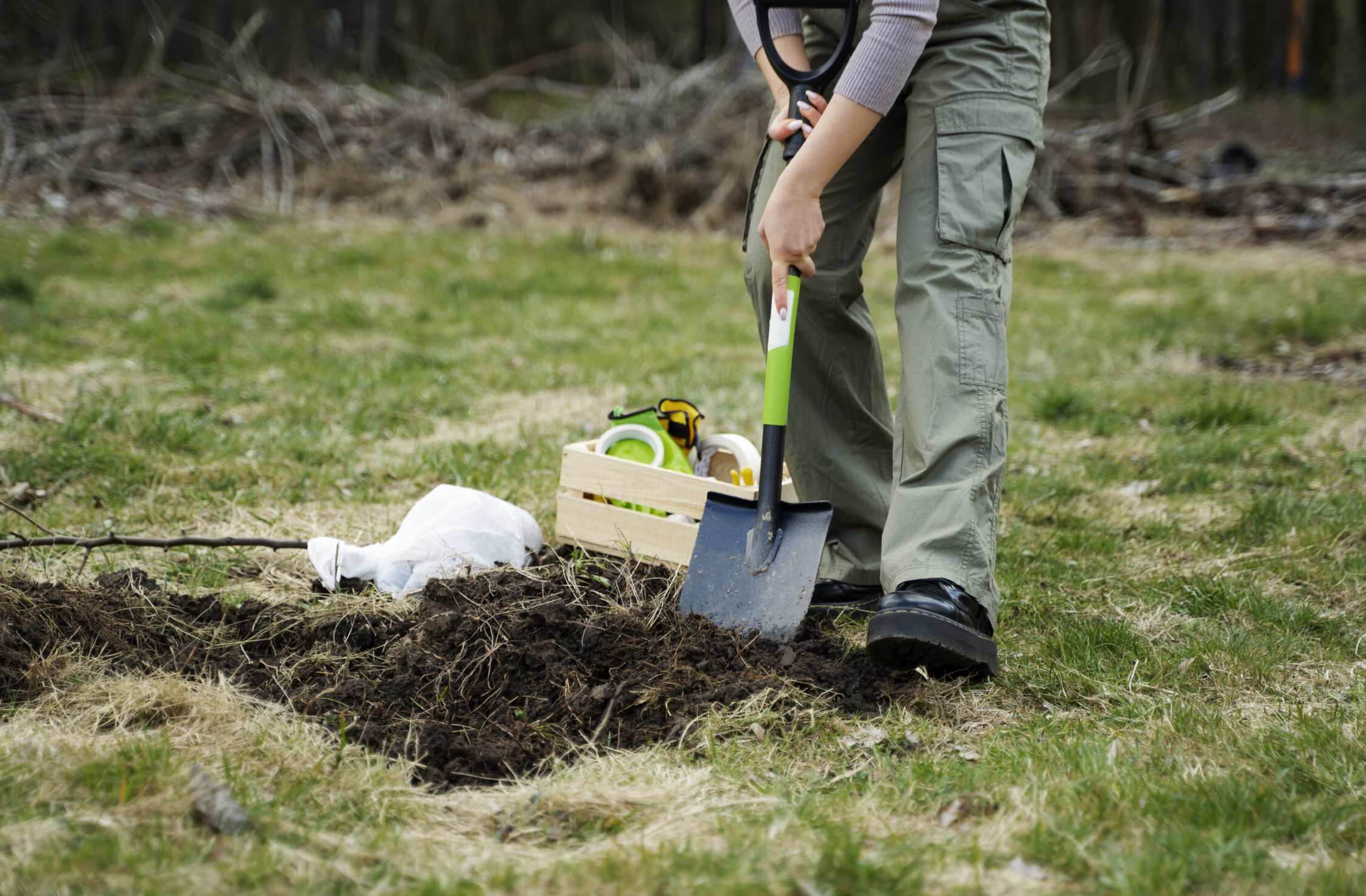
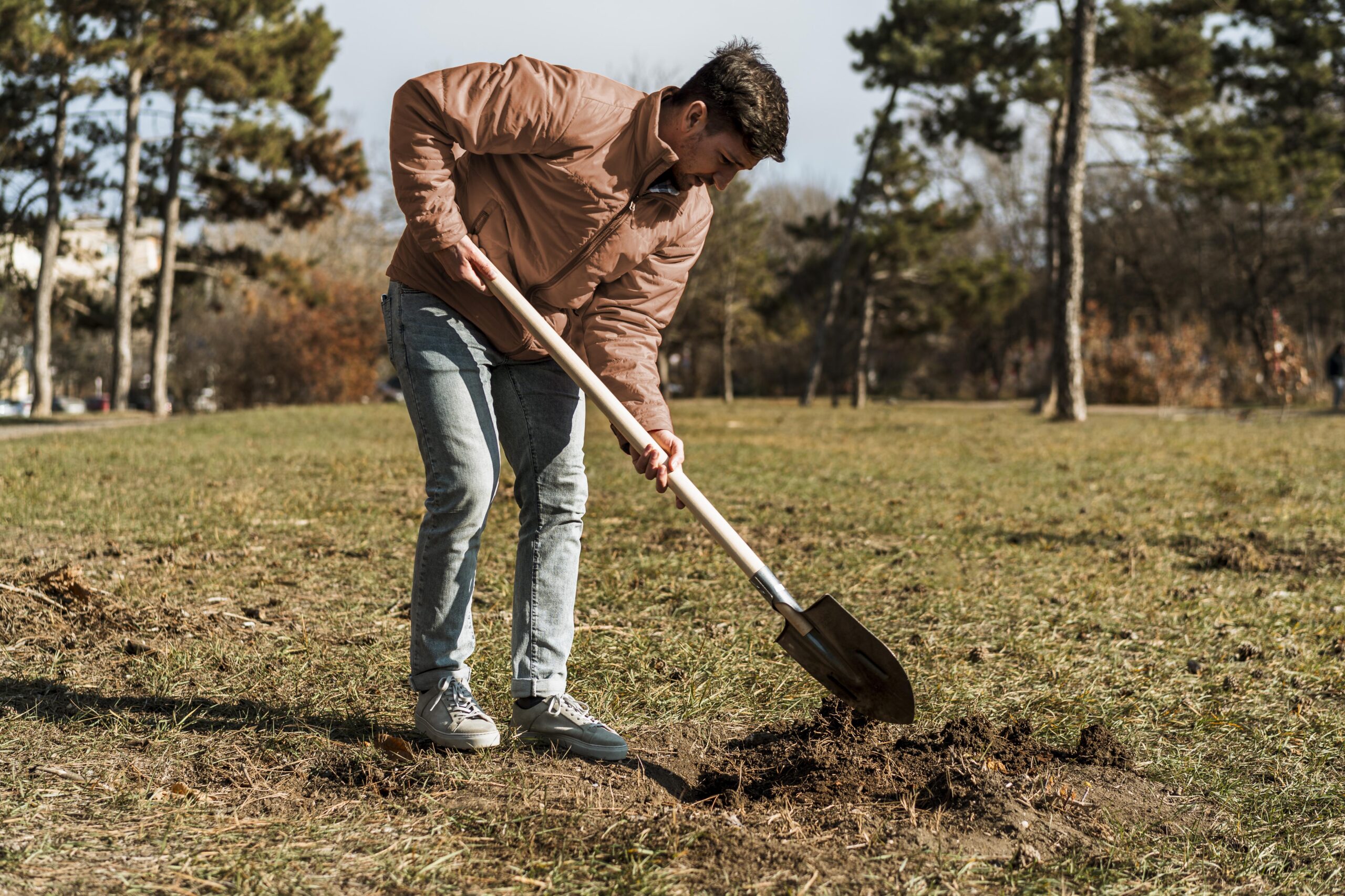
If you have recently had a tree cut down on your Virginia property, you are likely staring at a leftover eyesore and asking yourself, “Stump Grinding vs. Stump Removal: Which Is Better?” Leaving a stump behind isn’t just a matter of aesthetics; it can impact your lawn’s health, attract pests, and create a permanent tripping hazard. At Timberbrute, we understand that homeowners in Virginia want a clear, level yard without spending more than necessary. Deciding between these two methods depends on your future landscaping goals, your budget, and how much of an impact you want to make on your soil. In this guide, we will break down the difference between stump grinding and removal, the costs involved, and the long-term effects on your property so you can make the most informed choice for your home. Understanding the Key Differences Between Grinding and Removal The first step in choosing a path is understanding what tree stump removal is versus the more common grinding process. Removal is a comprehensive process where the entire stump, including the main root ball, is excavated from the earth. It is a “complete stump extraction guide” in action, often requiring heavy machinery like backhoes to pull the bulk of the tree out of the ground. On the other hand, stump grinding involves using specialized arborist equipment to chew the wood into small chips. The machine grinds the stump down to several inches below the soil line. This leaves the deep roots to decay naturally while providing a flat surface for landscape improvement. Understanding the pros and cons of stump grinding is essential, as it is often the best option for stump elimination for residential lawns where minimal soil disruption is preferred. Cost Comparison: Which Option Fits Your Budget? When comparing stump removal vs. grinding cost, grinding is almost always the winner for those seeking affordable stump solutions. Grinding requires less labor and smaller equipment, making it the go-to for standard yard safety solutions. In Virginia, grinding a single stump can range from $150 to $400 depending on its diameter. Full tree stump extraction is significantly more expensive. Because it involves digging a massive hole and hauling away a heavy, dirt-clogged root ball, the labor and disposal fees can easily double or triple the price of grinding. If you are trying to determine which stump method is better for your wallet, grinding offers the highest ROI by quickly restoring your curb appeal without the high price tag of excavation. Impact on Your Lawn and Landscaping Plans Your future plans for the yard should dictate whether you grind or remove tree stump remains. Grinding leaves the deep root system removal for nature to handle over several years. This means you can easily cover the area with topsoil and grass seed. However, you might encounter root problems after stump removal if you try to plant a new large tree in the exact same spot too soon. Full removal allows for an immediate lawn restoration process. Since the root ball is gone, you have a blank canvas. The downside is the “aftermath”—a large hole that must be filled and graded. In the clay-heavy soils found in many parts of Virginia, this can lead to settling over time, requiring additional soil to keep the area level. Time, Equipment, and Labor Explained The time, equipment, and labor required for these tasks vary greatly. A stump grinding service typically uses a compact, high-speed machine that can fit through most backyard gates. A single stump can often be ground down in 30 to 60 minutes. It is a clean, efficient process that produces mulch you can actually use in your garden beds. In contrast, tree care professionals performing a full extraction often need a mini-excavator. This increases the risk of lawn ruts and requires more space for maneuvering. The labor involves not just the extraction but also the significant task of backfilling the hole and compacting the soil. For most Virginia residential neighborhoods, the efficiency of grinding makes it the preferred landscape improvement choice. When Full Extraction Makes More Sense While grinding is popular, there are specific scenarios where full tree stump extraction is the superior choice. If you are planning to put in a new foundation, a swimming pool, or an underground utility line, those old roots cannot stay in the ground. Complete extraction is also recommended if the tree was heavily infested with termites or a specific fungal disease that could spread to other plants through the soil. By choosing full removal, you ensure that the entire “host” for these pests is gone. It is a more aggressive yard safety solution, but it is sometimes the only way to ensure a truly “clean” site for major construction. How to Decide the Right Solution for Your Property To decide between stump grinding vs. stump removal, ask yourself these three questions: In Virginia, most homeowners find that grinding provides the best balance of price and results. Timberbrute can help you evaluate the diameter, tree species, and soil conditions to provide an accurate estimate. Our tree care professionals are equipped to handle either path, ensuring your property is left safe and beautiful. Frequent Ask Questions Conclusion Choosing between stump grinding vs. stump removal: Which is better ultimately comes down to your property’s future. For the vast majority of Virginia homeowners, grinding is the most efficient, cost-effective, and least intrusive way to reclaim their yard. It eliminates the eyesore and the hazard while allowing your grass to thrive once again. At Timberbrute, we specialize in providing high-quality, professional stump services tailored to the unique needs of our local communities. Whether you need a quick grind to tidy up your lawn or a full extraction for a new project, our team of experts is here to help. Ready to get rid of that stump for good? Contact Timberbrute today for a free quote, and let us show you why we are Virginia’s top choice for stump grinding vs. stump Removal: Which Is Better for Your Property!
Does Clearing Land Increase Property Value?

Clearing Land

If you’re sitting on a piece of acreage in Virginia that’s currently a wall of tangled vines and scrub brush, you’ve likely wondered: does clearing land increase property value? It’s a common question for homeowners from the suburbs of Richmond to the rural stretches of the Shenandoah Valley. At Timberbrute, we’ve seen firsthand how strategic land management can transform a neglected lot into a premium listing. Investing in a property enhancement service isn’t just about aesthetics; it’s about revealing the “bones” of the land so a buyer can actually see themselves building a life there. In this guide, we’ll explore the financial benefits of clearing a lot, the psychology of Virginia buyers, and how to ensure your land clearing investment value is as high as possible. How Land Clearing Impacts Property Worth When a parcel of land is overgrown, it feels smaller and more intimidating than it actually is. By utilizing a professional vegetation removal service, you essentially “expand” the usable footprint of the property in the eyes of an appraiser or buyer. This shift in perception is a major reason why clearing land raises property price benchmarks across the state. Beyond just the look of the land, the lot clearing process serves as a vital step in site development preparation. It removes the “guesswork” for a developer or a family looking to build. When the brush is gone, they can easily identify building sites, drainage patterns, and potential driveway paths. This transparency reduces the buyer’s perceived risk, which almost always translates to a higher offer. Situations Where Clearing Land Adds the Most Value Not every acre needs to be stripped bare to see a return. However, there are specific scenarios where clearing is the single best way to increase land value before selling: If you’re prepping a home site, it’s also important to know how to prepare your Richmond property for professional tree removal to avoid damaging the land during the clearing process. When Keeping Trees Might Be the Better Choice While clearing brush is great, “clear-cutting” every living thing can sometimes backfire. Mature hardwoods—oaks, maples, and walnuts—are high-value assets in the Virginia real estate market. Total deforestation can actually strip away the character that buyers are looking for in a land usability upgrade. Smart clearing focuses on removing “understory” growth, invasive species, and diseased timber while leaving the majestic canopy intact. This creates a “park-like” setting that is highly coveted. If you’re unsure which trees to save, it helps to understand how tree removal affects property value in Richmond neighborhoods so you don’t accidentally remove an asset that was actually adding to your bottom line. Buyer Psychology and First Impressions of Land Real estate is an emotional game. When a buyer pulls up to a property that is choked with briars, their first thought is usually, “This looks like a lot of work and hidden costs.” They worry about hidden stumps, sinkholes, or expensive outdoor property improvement bills. By investing in boosting land appeal for buyers through professional clearing, you change the narrative from “problem property” to “opportunity.” Cost vs. Value: Is Clearing Really Worth It? Is lot clearing worth it when you look at the raw numbers? Generally, the ROI (Return on Investment) for land clearing is quite high. While a professional clearing job might cost a few thousand dollars, the increase in the final sale price often exceeds that cost by 2x or 3x. Property Type Clearing Cost (Est.) Value Increase (Est.) Small Residential Lot $1,500–$4,000 5%–10% 5+ Acre Parcel $3,000–$10,000 10%–20% View-Blocked Lot $2,000–$5,000 15%–25% In Virginia, where land use and zoning can be complex, having a clean site also helps during the appraisal process. An appraiser can more accurately assess the property value after brush removal because they can see the topography and soil quality clearly. Smart Strategies to Maximize Property Appeal To get the most out of your clearing project, you need a surgical approach. Frequent Ask Questions Conclusion Determining if and how to clear your lot is a major decision in your land value improvement journey. While the initial investment might seem daunting, the benefits of clearing a lot, from faster sales to higher offers, usually make it a no-brainer for Virginia landowners. By focusing on site usability and buyer psychology, you can turn a tangled mess into a highly desirable piece of real estate. At Timberbrute, we are proud to be Virginia’s trusted partner for all things tree and land management. We understand the local market and know how to balance clearing with conservation to get you the best results. Whether you’re prepping a lot in Richmond or clearing acreage in the countryside, we’re here to help you maximize your investment. Ready to see how much more your land could be worth? Contact Timberbrute today for a consultation, and let’s discuss how clearing land increases property value for your specific lot.

What Is the Cheapest Method of Clearing Land?

Clearing Land

Budget is often the first concern when buying a new lot or expanding a backyard, and the question becomes, what is the cheapest method of clearing land? For Virginia property owners, costs vary depending on the approach. At Timberbrute, we’ve seen homeowners save thousands with the right strategy, while others lose just as much with common “rookie” mistakes. Whether prepping a site in the Blue Ridge foothills or clearing a residential lot in Richmond, balancing DIY labor with professional property preparation services is key. This guide explains affordable lot clearing options, compares manual work to machinery, and shows how to get the job done in Virginia without draining your savings. Low-Cost Land Clearing Options That Actually Work If you are looking for the cheapest way to clear property, the answer almost always starts with “sweat equity.” Hand-clearing is, by far, the most economical land cleanup method if you have the time and physical stamina. This involves using manual tools to remove brush, small saplings, and debris. While it costs very little in terms of cash, it is the most time-consuming site preparation process. Another low-cost land clearing method is “forestry mulching.” While it involves hiring a professional with a specialized machine, it is often cheaper than traditional clearing because it combines cutting, grinding, and debris disposal into a single step. Instead of hauling away trees, the machine turns them into mulch that stays on-site to prevent erosion. This is a popular lot clearing solution for Virginia landowners who want a clean look without the high cost of debris transport. Manual vs. Machinery: Which Saves More Money? Deciding between manual labor and heavy machinery is a classic “time vs. money” debate. Clearing land without heavy equipment is technically the cheapest route, but it’s only feasible for smaller lots (under half an acre) or areas with light vegetation. If you’re facing a wall of invasive privet or dense Virginia pine, doing it by hand could take months. The Cost of DIY Manual Clearing The Cost of Machinery Using vegetation clearing equipment like a skid steer or a brush hog is faster, but the rental fees and fuel can add up. However, if you can clear in one day what would take a month by hand, the machinery pays for itself in “opportunity cost.” For many, the most low-cost site preparation involves a hybrid approach: you do the light handwork and hire Timberbrute for the heavy lifting. Smart Ways to Cut Costs Without Cutting Corners To achieve an inexpensive brush removal project, you have to be strategic about timing and resources. One of the best budget land clearing tips is to schedule your work during the “off-season.” We’ve previously discussed what is the cheapest time of year for tree removal, and the same logic applies to land clearing. Late fall and winter are often the best times to find lower rates and better availability. Use What You Have Instead of paying to haul away timber, consider selling the wood or using it. Large hardwoods can sometimes be sold to local Virginia mills, while smaller branches can be chipped into free mulch for your garden. This reduces the brush removal techniques expenses significantly. You might wonder, what happens when you remove a tree? Usually, you’re left with a lot of organic material that, if managed correctly, can be turned into a resource rather than a waste product. Tools and Equipment That Won’t Break Your Budget If you’re committed to the DIY route, you don’t need a fleet of bulldozers. The right ground clearing tools can make a massive difference. For affordable lot clearing options, focus on these essentials: By focusing on high-impact vegetation clearing equipment rentals for short bursts of time, you keep your overhead low while maintaining high productivity. Hidden Expenses Most Landowners Forget The “sticker price” of land clearing isn’t always the final price. In Virginia, there are several hidden factors that can derail a budget. Pro Tips to Clear Property Fast and Affordably As a trusted Virginia land clearing expert, Timberbrute recommends a “bottom-up” approach. Start by clearing the underbrush first. Once you can see the “skeleton” of the land, you can identify which large trees actually need to come down and which can stay. Keeping mature trees not only saves on removal costs but also increases your property value and curb appeal. Always check local Virginia burning ordinances before lighting a brush pile. In many areas, “burn seasons” are strictly enforced to prevent wildfires. If burning is legal and safe in your area, it is arguably the cheapest method of clearing land debris, but it requires constant supervision and a water source on standby. Frequent Ask Questions Conclusion Clearing your property doesn’t have to be a financial nightmare. By combining DIY manual labor with strategic professional help for the heavy tasks, you can find a path that fits your budget. Remember that the cheapest method of clearing land is the one that avoids expensive mistakes like damaging a neighbor’s property or violating local Virginia environmental codes. At Timberbrute, we specialize in helping Virginia landowners maximize their property’s potential without breaking the bank. Whether you need a full site preparation or just some expert advice on the best lot clearing solutions, we’re here to help. Ready to start your project? Contact Timberbrute today for a free quote on our affordable land clearing services!

What to Do With Lawn After Tree Removal

Lawn After Tree Removal

Most people focus so much on getting the tree down that they don’t stop to think about what comes next. But for Virginia homeowners, that moment when the crew packs up and pulls out of the driveway is really when the work starts. You’re left staring at a torn-up patch of yard, dealing with the stump grinding aftermath, compacted soil, and a scattering of wood chips that seem to go on forever. Knowing what to do with the lawn after tree removal is honestly what separates a yard that bounces back quickly from one that looks rough for the next two seasons. At Timberbrute, we know tree removal is only the beginning. Whether it’s a storm-damaged maple or a dying oak, recovery takes strategy. We guide Virginia homeowners through the full restoration process, ensuring a clean cut leads to a beautiful yard. From handling leftover wood chips to tackling the clay-heavy soil common across the state, our approach helps transform a construction zone into a thriving green space. With Timberbrute, you don’t just lose a tree; you gain a plan for a healthier, more vibrant yard. First Steps to Take Right After a Tree Comes Down The moments immediately following a major extraction are critical. Once the heavy lifting is done, your primary goal is to clean the yard after tree service to prevent long-term damage to the surrounding grass. Heavy machinery, even when used carefully by professionals, can stress the turf. If the crew didn’t use ground protection mats, you might see “bruised” grass or shallow ruts. At Timberbrute, we pride ourselves on transparency regarding how we complete your tree removal. The first step for any homeowner should be a thorough walkthrough. Look for: Addressing these minor issues within the first 48 hours prevents them from becoming permanent scars on your lawn. If you’re already thinking about the next phase of your yard’s life, you might also be curious about what to plant after tree removal to fill that new gap in your canopy. Removing Wood Chips, Roots & Leftover Debris One of the biggest mistakes homeowners make is trying to fix a lawn after stump removal by simply throwing soil over a pile of wood chips. Wood chips are high in carbon; as they decompose, they “steal” nitrogen from the soil, leaving very little for your new grass. To repair the yard after tree cutting effectively, you must remove the bulk of the mulch produced during stump grinding. Cleaning the site thoroughly ensures that your post-tree removal cleanup leads to a successful replanting phase. Clean the yard after tree service. Fixing Soil Compaction and Nutrient Loss Virginia soil is notorious for its high clay content, which compacts easily under the weight of trucks and falling logs. When soil is compacted, oxygen and water can’t reach the roots of your grass. To improve soil after tree removal, you need to break up that hard-packed earth. Use a garden fork or a core aerator to loosen the soil in a 10-foot radius around the former tree site. This is also the time for a soil conditioning treatment. Because trees spend decades pulling nutrients from the earth, the area is likely depleted of nitrogen and phosphorus. Adding a layer of high-quality compost or a balanced starter fertilizer will help restore grass after excavation by giving the new seeds the fuel they need to thrive in our local climate. How to Level the Ground for a Smooth Finish A common sight in Virginia residential neighborhoods is the “sunken circle”—the spot where a tree used to be that has now turned into a muddy bowl. To level ground after tree work, you have to account for settling. When you fill the hole left by the stump, don’t just fill it to the brim; mound the soil slightly higher than the surrounding grade. Over the next few weeks, gravity and rain will cause the loose dirt to pack down. By mounding the area (about 2-3 inches above the lawn line), you ensure that once it settles, it remains perfectly flush. For the best results, use a mix of 70% topsoil and 30% organic compost. This creates a stable yard leveling service result that won’t require a second application a year later. Seeding, Sodding, or Landscaping—What’s Best? Once the ground is level, you have to decide on your turf repair solutions. Most Virginians opt for grass reseeding methods, using fescue or Kentucky bluegrass. However, timing is everything. If you are wondering what the cheapest time of year for tree removal is, you might find that winter removals lead perfectly into a spring seeding window. Long-Term Lawn Care Tips for Healthy Regrowth The landscape renovation doesn’t end once seeds are in the ground. New grass is delicate, especially in the transition zone of Virginia with humid heat and freezing winters. For the first month, water lightly twice a day; never let soil dry out completely. Keep foot traffic and pets away for six weeks. If “mushroom” growth appears where the tree was, don’t panic; it’s leftover underground roots decomposing. Kick them over or mow them down. Consistency is the hallmark of a professional lawn restoration process. Frequent Ask Questions Conclusion Mastering what to do with the lawn after tree removal takes a bit of patience and some “sweat equity,” but the results are worth it. By focusing on soil health, proper leveling, and the right seeding schedule, you can erase the evidence of a tree removal and enjoy a seamless, healthy yard. At Timberbrute, we understand that our job isn’t done just because the tree is on the ground. We are committed to helping Virginia homeowners maintain beautiful, safe, and functional properties. If you’re planning a removal or need advice on a landscape renovation, our team of experts is here to guide you through every step of the process. Ready to reclaim your yard? Contact Timber brute today for a consultation on your next project and let us help you figure out exactly what to … Read more

How Much Is Tree Removal Per Hour? A Complete Cost Breakdown

Tree Removal

Most Virginia homeowners start asking how much is tree removal per hour the moment they pick up the phone and realize no two quotes look the same. Maybe you have a dead oak sitting in the backyard, or some branches are creeping too close to the roofline. Either way, trying to budget for tree care while comparing local quotes can feel like a guessing game. At Timberbrute, a fully insured removal company, we think you deserve straight answers before any work begins, not after the crew has already packed up and left. Tree care in Virginia covers a lot of ground. Whether you are cleaning up after a coastal storm or just maintaining a residential lot in Richmond or Northern Virginia, the per-hour question tends to come up early in the conversation. Here is something worth knowing, though: even when a company gives you a flat fee, the labor and expertise behind that number is almost always calculated on an hourly basis behind the scenes. Understanding that changes how you read a quote and puts you in a much stronger position when comparing your options. Average Hourly Rates for Professional Tree Removal When looking at the tree removal hourly rate, prices can fluctuate based on the size of the crew and the specialized nature of the work. On average, a professional crew in Virginia will cost anywhere from $200 to $500 per hour. This isn’t just one person with a chainsaw; it’s a team of tree removal professionals utilizing heavy machinery to ensure your home remains undamaged. Arborist hourly charges usually reflect the level of certification and insurance the company carries. A “guy with a truck” might charge less, but a licensed tree service cost includes the peace of mind that comes with workers’ compensation and general liability insurance. Crew Type Estimated Hourly Range Common Services 2-Man Ground Crew $150-$250 Basic pruning, brush clearing 3-Man Crew + Chipper $250-$400 Standard tree take-downs Full Crew + Crane/Bucket $400-$600+ Complex removals, large trees What Impacts the Final Price of the Job? The average cost to cut down a tree isn’t a “one size fits all” figure. Several tree removal estimate factors come into play before a single cut is made. For instance, if a tree is located in a tight spot between two houses, the labor hours will climb because the crew has to move slower to protect your siding and windows. Another factor is what happens after the tree is on the ground. Are you keeping the wood for your fireplace, or do you need it hauled away? If you want the yard to look like we were never there, you’ll need to factor in the stump grinding cost, which often adds a separate flat fee or an additional hour of labor to the total bill. Tree Size, Location, and Risk: Why They Matter In Virginia, our lush landscape features everything from massive white oaks to ornamental dogwoods. The taller and wider the tree, the higher the risk. Tree-cutting specialists have to account for “rigging”—the process of using ropes and pulleys to lower heavy limbs safely. This is a time-consuming process that directly impacts how much tree removal costs per hour. Location is equally vital. If our trucks can’t get close to the tree, we have to carry debris by hand or use smaller loaders. This increases the manual labor hours significantly. When you are looking for how to estimate tree removal, always consider the “drag distance” from the tree to the street. Equipment and Crew Costs Explained A residential tree service involves more than just physical labor; it involves high-tech, expensive machinery. When you hire licensed tree contractors, you are paying for the maintenance and operation of bucket trucks, wood chippers, and sometimes even cranes. The residential tree cutting prices you see on a quote cover: When Hourly Pricing Makes More Sense Than Flat Rates Most homeowners prefer a flat-rate quote so there are no surprises. However, there are times when how much tree removal per hour is actually the fairer way to go. This is common in “technical pruning” or “storm cleanup,” where the scope of work might change as the crew progresses. For example, if you have several smaller trees and a lot of brush to clear, an hourly rate for a “day rate” might be cheaper than individual quotes for every single shrub. Additionally, the cheapest time of year for tree removal usually falls in the winter months (the “dormant season”). During this time, crews are often more flexible with their pricing structures. Ways to Save Money on Safe Tree Removal You don’t have to break the bank to maintain a beautiful yard. While you should never compromise on safety by hiring an uninsured amateur, there are ways to lower your tree removal hourly rate impact: By hiring a company that utilizes certified arborist services, you ensure the job is done right the first time, preventing costly damage to your lawn or home. Frequent Ask Questions Conclusion Understanding the logistics of tree care helps you see past the “sticker shock” and realize the value of professional service. While you might wonder how much tree removal is per hour, the real value lies in the safety, efficiency, and property protection provided by an insured removal company. From the Tree Care Industry Association standards we follow to the local Virginia expertise we bring to every job, Timberbrute is dedicated to keeping your landscape beautiful and safe. Don’t wait until the next storm season to address that leaning tree. Whether you need a simple trim or a complex removal, our team is ready to provide a transparent, fair, and professional tree removal estimate.Ready to clear your property safely? Contact Timberbrute today for a free quote and find out exactly how much tree removal costs per hour for your specific project!

Does Tree Removal Increase Property Value?

Tree Removal

If you’re prepping a historic home in the Fan or a mid-century ranch in Northside, chances are the question has crossed your mind at some point: does tree removal increase property value? We tend to think of trees as automatic assets, and in many cases they are. But a decaying or poorly placed oak can quietly work against you when it comes time to sign a contract. Richmond, Virginia, takes a lot of pride in its lush canopy, and rightfully so, but understanding the impact of tree removal on home price really does come down to strategy. At Timberbrute, we work with homeowners to look at their landscape through two lenses at once, safety and marketability, so that every decision they make about their outdoor property upgrades translates into the strongest possible return. When Removing a Tree Actually Boosts Home Value There are several scenarios where removing trees before listing a house can lead to a higher appraisal and faster sale. If a tree is diseased, leaning precariously over a roof, or blocking a stunning view of the James River, its removal is an immediate property value improvement. Buyers in Richmond look for “turnkey” properties; they don’t want to inherit a $3,000 problem the moment they close. By clearing out trees that crowd the home, you improve real estate curb appeal. This allows natural light to flood the interior, making rooms feel larger and more inviting. Strategic yard work to improve home value often involves thinning out dense growth to highlight the architecture of the house. When a buyer pulls up to the curb, they should see a well-maintained home, not a forest hiding a building. Situations Where Trees Can Hurt Property Appeal Not all greenery is good greenery. In fact, certain landscape value factors can actively drive down interest in your Richmond property. Trees with invasive root systems can buckle sidewalks, crack foundations, or interfere with underground sewer lines—issues that will inevitably trigger red flags during a home inspection. Furthermore, trees that drop excessive debris, like gumballs or heavy sap, can make a yard feel high-maintenance. For a busy family looking at homes in Midlothian or Glen Allen, a “messy” tree represents a weekend of chores they’d rather avoid. In these cases, real estate benefits of tree removal include presenting a clean, manageable outdoor space that appeals to a wider demographic of buyers who prioritize convenience. The Balance Between Landscaping and Resale Price Finding the balance between landscaping and resale price is an art. While a completely bare lot can feel sterile and hot in the Virginia summer, an overcrowded one feels claustrophobic. The goal is to keep high-value, healthy specimens while removing the “filler” growth that adds no aesthetic or functional value. If you are wondering, “Should I cut down a tree before selling?” consider the overall symmetry of your lot. Healthy, mature trees can add up to 20% to a home’s value, but only if they are positioned correctly. Landscaping changes that raise value often involve removing smaller, scrubby trees to give the majestic white oaks or maples room to breathe. This creates a curated, intentional look that signals the property has been professionally cared for. Safety Risks Buyers Notice Immediately In Richmond, we are no strangers to intense storm seasons. Buyers are increasingly savvy about the risks posed by large, aging trees during high winds. A dead or dying tree is a glaring “safety risk” that can halt a sale in its tracks. A professional yard safety assessment can identify hollow trunks or fungal growth that the untrained eye might miss. Removing a hazardous tree is often a prerequisite for obtaining favorable homeowners insurance rates. The tree removal impact on your policy premiums can be significant, especially when insurers flag high-risk trees during annual reviews. If a buyer’s inspector notes a “danger tree” hanging over the power lines or the master bedroom, they will likely demand a price credit or insist on removal before closing. By taking care of it now, you maintain control over the process and the cost, ensuring a smoother transaction. You can learn more about how tree removal affects property value in Richmond neighborhoods to see how local trends impact your specific area. How Yard Improvements Influence Market Perception The way a yard is presented speaks volumes about the interior of the home. Improve home value. Yard work isn’t just about the trees themselves; it’s about the “vibe” of the property. A yard that feels open and sunny suggests a home that is bright and well-ventilated. When you invest in outdoor property upgrades, you are selling a lifestyle. A cleared backyard creates space for a fire pit, a patio, or a play area for kids. In the competitive Richmond real estate market, these functional spaces are often more valuable than the trees they replaced. If you are dealing with trees near a fence or boundary, it is also vital to understand who is responsible for tree removal on your property line to avoid legal headaches during the sale. Expert Tips to Maximize Property Worth After Removal To truly have removing trees add value, you must follow through with the “after” care. Simply cutting down a tree and leaving a stump is a job half-done. For maximum property value improvement, you should: Before the crew arrives, make sure you know how to prepare your Richmond property for professional tree removal to ensure the process goes smoothly without damaging your lawn or existing landscaping. Frequent Ask Questions: Conclusion Determining whether a tree stays or goes is a critical part of home resale preparation. While trees provide beauty and shade, the real estate benefits of removing hazardous or unsightly growth cannot be ignored. By focusing on safety, light, and usability, you can significantly enhance the impact of tree removal on home price. At Timberbrute, we are proud to be Richmond’s local authority on tree care. We don’t just cut trees; we help you curate a landscape that adds lasting value to your property. If … Read more

What Is the Average Cost of Tree Removal? removal is

Tree Removal

Knowing what the average cost of tree removal is gives any Richmond, Virginia, homeowner a real head start when it comes to keeping their property safe and looking its best. Whether you’re dealing with a dead oak in Midlothian or a storm-damaged maple in The Fan, price is usually what determines how quickly you move forward. At Timberbrute, we’ve always believed that being upfront about residential tree service pricing helps our neighbors make smarter decisions, ones that protect both their homes and their budgets. Here in Richmond, tree removal is rarely a “one size fits all” expense. Local factors play a bigger role than most people realize. Our humid subtropical climate pushes trees to grow fast, and the specific species native to Virginia each come with their own challenges on the job. All of that ends up reflected in the final invoice. Once you understand the variables that drive tree cutting service charges, the numbers start to make a lot more sense, and you’re far less likely to be caught off guard when you receive a tree removal price estimate. Average Tree Removal Prices Explained Simply When researching how much tree removal costs, most homeowners find that national averages only tell half the story. In Richmond, the average price to cut a tree typically ranges from $200 to $2,000 or more. This broad spectrum exists because every job carries a unique level of risk and labor. Small trees or shrubs that can be handled from the ground are on the lower end of the scale. However, when you require a cost to remove large tree specimens—such as the massive white oaks common in older Richmond neighborhoods—the price increases significantly. These projects require specialized rigging, heavy machinery, and more man-hours to complete safely. Key Factors That Affect Removal Costs Several critical removal cost factors influence the final quote you receive from a reputable tree service provider. Understanding these helps you see why two neighbors might pay vastly different prices for what looks like the same service. Price Breakdown by Tree Size and Height Size is the most consistent indicator of professional removal fees. Most companies categorize trees into small, medium, and large brackets. To help you plan your budget, here is a general tree-size cost chart specifically for the Richmond, Virginia, market. Estimated Tree Removal Pricing Guide Tree Size Height Range Estimated Price Range Small Under 30 feet $200–$500 Medium 30-60 feet $500 –$1,200 Large 60-100 feet $1,200- $2,000+ Extra Large Over 100 feet $2,000-$5,000+ Note: These are estimates. For an exact figure, you should always know how to estimate tree removal. by requesting an on-site consultation. Hidden Fees Homeowners Often Overlook When you receive a tree removal price estimate, it is vital to check what is included in the “fine print.” Many homeowners are surprised by additional yard maintenance costs that weren’t part of the initial verbal quote. Common “add-ons” include stump grinding, wood splitting, and debris hauling. Some companies will cut the tree down but leave the heavy logs in your yard unless you pay an extra fee for disposal. Before you sign a contract, you should know how to hire a tree removal service that provides a comprehensive, all-in estimate. At Timberbrute, we clear up these details upfront so there are no surprises when the job is done. Ways to Save Money on Tree Removal While professional tree work is an investment, there are strategic ways to reduce your total spend. One of the best methods is timing. Many people don’t realize that there is a time of year that is cheapest for tree removal. Generally, “dormant season” (late autumn and winter) is the most affordable time because leaves are gone, making the wood lighter and easier to handle. Other ways to save include: When Paying More Actually Saves You Money It can be tempting to go with the lowest bidder—often a “guy with a chainsaw and a truck”—but in the tree industry, the cheapest price is often the most expensive mistake. Professional removal fees cover more than just labor; they cover insurance and expertise. If an uninsured worker gets injured on your property or drops a limb on your neighbor’s roof, you as the homeowner could be held liable. Paying for a licensed, insured, and highly rated company like Timberbrute ensures that you are protected from these massive financial risks. In the long run, the peace of mind that comes from a safe, professional job is worth every penny. Frequently Asked Questions Conclusion Navigating the costs of property maintenance in Richmond, Virginia, requires a balance of budget and safety. While the height, species, and location of your tree will ultimately dictate the price, being informed about removal cost factors ensures you aren’t overcharged. Timberbrute is dedicated to providing the Richmond community with honest, expert service that prioritizes property safety above all else. Don’t leave your property to chance or guess at the numbers. Contact Timberbrute today for a professional, accurate tree removal price estimate in Richmond, Virginia. Our team is ready to help you understand exactly how much it costs for tree removal on your specific property.

6 Tips on How to Find a Good Tree Removal Service

Tree Removal Service

Learning how to find a good tree removal service is essential for homeowners in Richmond, Virginia, especially given our region’s susceptibility to sudden summer storms and heavy winter ice. When a massive oak or maple leans precariously over your roof, the pressure to hire the first person with a chainsaw is high. However, rushing this decision can lead to property damage, legal liabilities, or skyrocketing costs. In this guide, we will walk you through the essential steps to choose a reliable tree company that prioritizes safety and professionalism. From verifying credentials to understanding local permits, these tips ensure your property remains a safe haven. Warning Signs of an Unreliable Tree Service Not every person with a truck and a ladder is a qualified professional. In the tree care industry, “door-knockers” often appear after a major storm in Richmond, offering suspiciously low rates for immediate work. This is a major red flag. Be wary of companies that demand payment in full upfront or those who lack a physical business address. A reputable tree service provider will always provide a written contract and won’t pressure you into a snap decision. Furthermore, if a crew lacks basic safety gear—like helmets, eye protection, and specialized rigging—they are putting your home and their lives at risk. An amateur mistake on a high-climb removal can result in a tree limb crashing through your ceiling, often leaving you to foot the bill if they aren’t properly covered. Credentials Every Professional Company Should Have When you begin your search for the best tree service near you, credentials are non-negotiable. You aren’t just hiring labor; you are hiring tree removal professionals who manage high-risk machinery and heavy weights. By focusing on these standards, you ensure you hire qualified tree specialists who understand the structural integrity of Virginia’s native species. Questions Smart Homeowners Always Ask First Before any equipment starts up, you need to have a clear dialogue with the contractor. Knowing what to ask when hiring a tree removal service will help you weed out the amateurs from the experts. Ask about their specific equipment. Will they use a crane, or will a climber take the tree down in sections? How will they protect your lawn from heavy tire ruts? A safe tree cutting company will have a clear plan for debris removal and property protection. Additionally, ask about their experience with how to hire a tree removal service regarding local bureaucracy. For example, does your specific project align with Richmond tree removal permit requirements? A local expert will know if you need city approval before the first cut is made. Comparing Quotes Without Getting Overcharged It is standard practice to compare tree removal quotes from at least three different companies. However, the lowest bid isn’t always the best deal. When reviewing estimates, look for a detailed breakdown of costs. Does the quote include stump grinding, or just the tree removal? Is wood hauling included, or will you be left with a giant pile of logs in your driveway? A professional tree care estimate should be transparent. If one quote is significantly lower than the others, they may be cutting corners on insurance or safety equipment. At Timberbrute, we believe in fair, transparent pricing that reflects the high level of safety and expertise we bring to every Richmond job site. Why Experience Matters More Than Low Prices Tree removal is a “get what you pay for” industry. Hiring tree-cutting specialists with years of experience in the Richmond area is vital because our local landscape presents unique challenges. From tight urban lots in The Fan to expansive wooded estates in Chesterfield, experience dictates how a crew handles obstacles like power lines, fences, and underground utilities. An insured removal company with a long-standing reputation offers peace of mind. They provide a property safety service that protects your most valuable asset. Choosing trusted tree removal experts ensures that even the most complex removals are handled with precision, preventing the “accidents” that often plague low-cost, inexperienced crews. Final Checklist Before You Hire Any Tree Crew Before you sign on the dotted line, run through this final checklist to ensure you have found the right residential tree service: Following these steps will help you find professional arborists who value your time and  Frequently Asked Questions Conclusion Finding the right help for your landscape doesn’t have to be a stressful process. By focusing on credentials, asking the right questions, and prioritizing experience over the lowest price, you can protect your home and family. Timberbrute is proud to be a leader in Richmond tree care, offering the expertise and equipment necessary to handle any job safely. If you have a tree that looks unstable or simply needs a professional evaluation, we are here to help. Contact Timberbrute today for a consultation and see why we are the preferred choice for those who want to know how to find a quality tree removal service.

How to Repair a Lawn After Tree Removal in the United States—Step-by-Step Guide

Lawn After Tree Removal

Learning how to repair a lawn after tree removal is essential for any Virginia homeowner who wants to maintain a pristine landscape after a major tree project. When a large oak or maple is taken down in a yard from Richmond to Virginia Beach, the aftermath often includes compacted soil, deep ruts from heavy machinery, and a literal hole in your landscape. Simply throwing some seed on the ground is not enough; you need a strategic lawn restoration process to ensure your turf returns to its former glory. In this guide, we will walk you through the professional steps required to restore yard soil quality and fix the damage left behind by saws, stumps, and wood chips. What Happens to Your Yard After a Tree Is Removed The impact of tree work goes far beyond the missing canopy. Many homeowners wonder, does tree removal include stump grinding? If the stump remains, the surrounding grass will struggle to compete with the decaying wood for nitrogen. Even if the stump is gone, the heavy equipment used during the process often leads to significant soil compaction, which prevents water and oxygen from reaching the roots of your remaining grass. Common Post-Removal Issues: Clearing Debris and Preparing the Ground Properly The first step to fix a lawn after tree cutting is a thorough cleanup. You cannot grow healthy turf on a bed of sawdust. Wood chips are high in carbon and low in nitrogen; as microorganisms break them down, they rob the soil of the nutrients your new grass needs to survive. Steps for Debris Management: Fixing Soil Damage and Filling Deep Holes Once the area is clear, you must fill the hole from tree removal sites correctly to prevent future sinking. You cannot simply use fill dirt, which often lacks the nutrients found in high-quality topsoil. Using proper soil repair methods ensures that your ground surface repair lasts for years without turning into a muddy pit during the next Virginia rainstorm. How to Fill the Hole: Leveling the Surface for a Smooth Lawn Finish After the hole is filled, you need to smooth uneven lawn ground caused by the heavy equipment used during the landscape recovery steps. In Virginia, our red clay can become extremely uneven when wet. Yard leveling techniques are vital here to ensure you do not scalp your grass with the lawnmower later. Professional Leveling Tips: Choosing the Best Grass for Fast Recovery To regrow grass quickly, you must select a variety that matches your existing lawn and the new sunlight conditions. Since the tree is gone, the area likely receives more sun than before. If you are unsure of what to put back, check our guide on what to plant after tree removal. Grass Selection for Virginia: Following a proper grass reseeding guide involves keeping the area moist. You should water lightly twice a day until the new blades are at least two inches tall. Expert Tips to Restore a Healthy, Green Yard True post-tree removal care involves more than just seed. You are looking for long-term turf regrowth solutions. If the area is large, you might consider replanting after tree removal in Richmond with smaller ornamental trees or shrubs instead of just grass. Pro-Level Maintenance: Frequently Asked Questions Conclusion Successfully executing a how-to-repair-lawn-after-tree-removal project requires patience and the right materials. By focusing on removing debris, fixing soil compaction, and choosing the right seed, you can turn a scarred patch of dirt back into a beautiful, functional part of your landscape. At Timberbrute, we are dedicated to helping Virginia property owners navigate the entire lifecycle of tree care, from initial removal to the final blade of grass. If the damage to your yard feels overwhelming, or you need professional excavation to clear a site properly, our team is here to help.

What Size Excavator for Stump Removal in Virginia? Complete Equipment Guide

excavator for stump removal

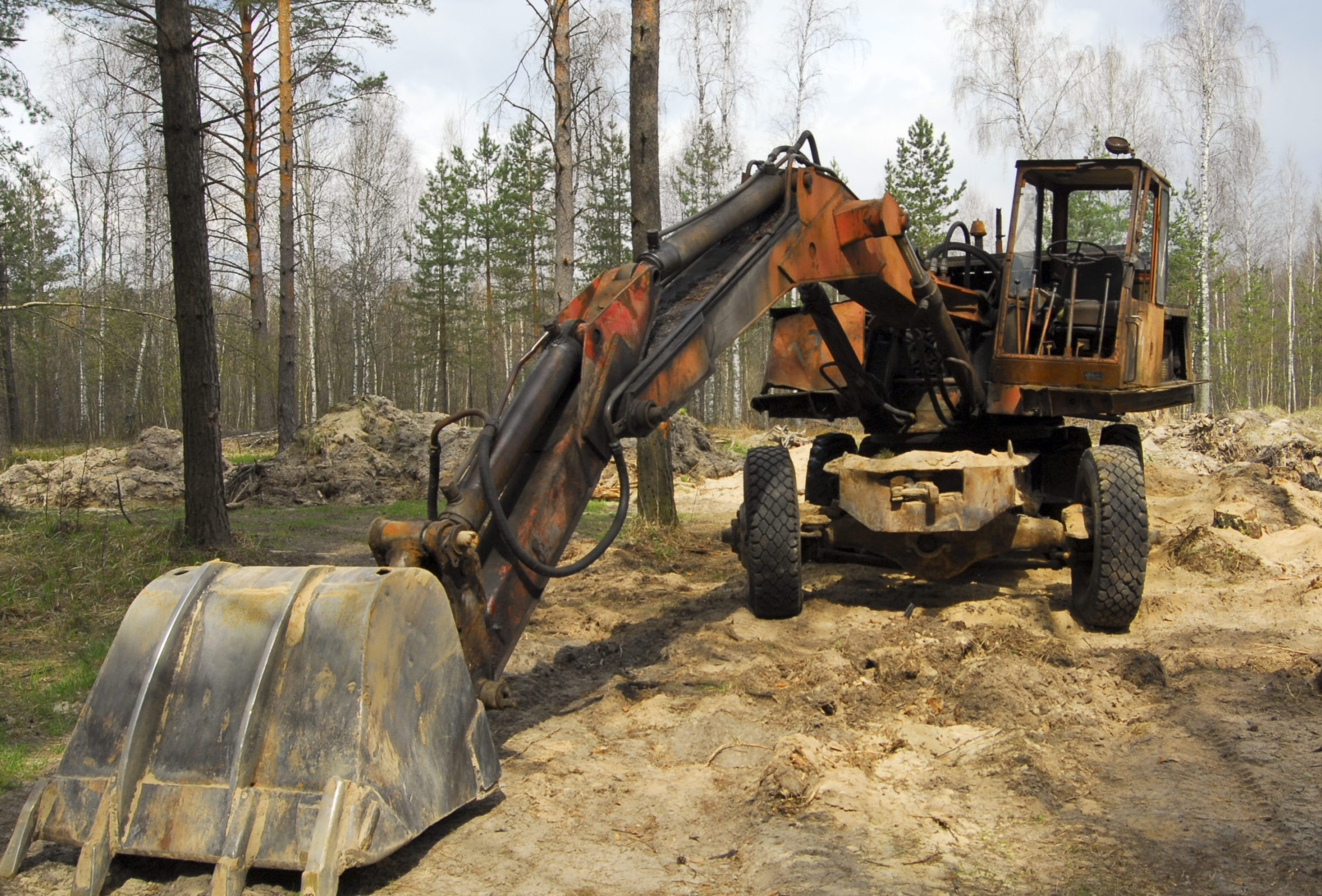
When tackling land clearing projects in Virginia, determining what size excavator for stump removal you need is the difference between a quick afternoon task and a multi-day mechanical nightmare. Whether you are a property owner in Fairfax or a contractor clearing acreage in Roanoke, matching your machine to the stump diameter and species is critical for efficiency. Consulting a comprehensive excavator size guide can help you navigate the complexities of hydraulic force, while utilizing professional stump removal tools ensures that even the most stubborn root systems are handled with precision. Using the wrong ground excavation equipment can lead to property damage, wasted fuel, and unnecessary strain on the machine hydraulics. In this guide, we break down exactly how to choose an excavator for tree base removal so you can finish the job right the first time. Choosing the Right Excavator Size for Stump Jobs Selecting the right excavator weight class is primarily determined by the diameter of the tree stump and the complexity of the root system. Excavators are generally categorized by their metric tonnage, and each class offers a different level of breakout force. The Weight Class Breakdown Small vs. Large Machines: Which Performs Better? While it is tempting to think bigger is always better, the best excavator for stump digging is often the one that balances power with site accessibility. Small machines excel in established neighborhoods. They have a lower ground pressure, meaning they won’t destroy a manicured lawn or crack a driveway while traveling to the backyard. However, they lack the vertical leverage needed to pull deep taproots. Large machines provide massive hydraulic breakout force. If you are dealing with a 40-inch-wide white oak stump, a small machine will simply bounce off it. A larger hydraulic digging machine can use its weight as a counter-lever to snap lateral roots that a mini excavator would not even budge. Factors That Determine the Ideal Equipment Size To find the ideal equipment for stump pulling, you must look beyond the visible wood. Several local and biological factors come into play: 1. Tree Species and Root Structure Virginia is home to diverse flora. Pine trees often have shallow, spreading roots, whereas hickories and oaks may have deep taproots. The deeper the root, the more tonnage you need to reach and sever them. 2. Soil Conditions in Virginia Our Virginia Red Clay is notorious for being dense and heavy. When wet, clay acts like suction, holding the stump in place. This requires more heavy equipment selection to focus on hydraulic flow and bucket breakout force than you might need in sandy coastal soils. 3. Presence of Obstacles If the stump is near a utility line or a foundation, you may be forced to use a smaller machine and take more time digging precisely. Understanding what tree stump removal in these sensitive areas is vital for safety. Mini Excavators: Are They Strong Enough for Roots? Many property owners wonder if mini excavator equipment can handle professional-grade work. The answer is yes if you use the right root extraction tools. A 3.5-ton mini excavator is surprisingly capable of tree stump removal necessary for most 12- to 18-inch stumps. To maximize a smaller machine size for root removal, you should utilize: Common Mistakes When Selecting Excavators Even experienced operators can make errors in construction machinery specs when planning a job. Avoiding these pitfalls will save you time and money: Pro Tips for Faster, Cleaner Stump Extraction To optimize your stump digging machine guide into a practical workflow, follow these industry secrets: Frequently Asked Questions Conclusion Choosing the right excavator weight class is the most important decision you will make before you start digging. In the dense clay soils of Virginia, leaning toward a slightly larger machine like a 5-ton or 8-ton model often pays for itself in the hours of labor saved. At Timberbrute, we understand the nuances of land clearing and the heavy-duty demands of the local landscape. Whether you are a contractor looking for professional insights or a homeowner planning a major backyard overhaul, having the right knowledge is key to a successful project. If you are still unsure of your equipment needs or require professional assistance, contact Timberbrute today for expert consultation and top-tier stump removal services. We can help you determine exactly what size excavator for stump removal is required for your specific property.