
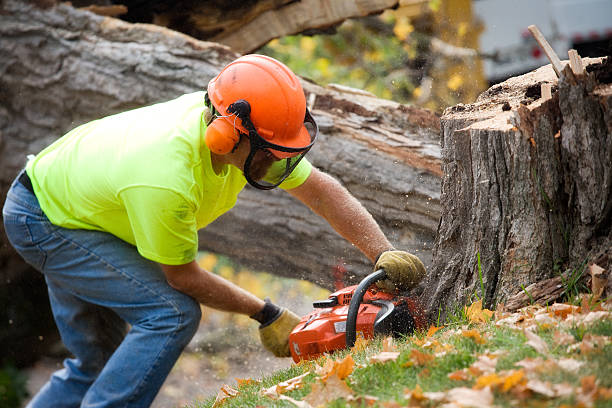
If you’re prepping a historic home in the Fan or a mid-century ranch in Northside, chances are the question has crossed your mind at some point: does tree removal increase property value? We tend to think of trees as automatic assets, and in many cases they are. But a decaying or poorly placed oak can quietly work against you when it comes time to sign a contract. Richmond, Virginia, takes a lot of pride in its lush canopy, and rightfully so, but understanding the impact of tree removal on home price really does come down to strategy. At Timberbrute, we work with homeowners to look at their landscape through two lenses at once, safety and marketability, so that every decision they make about their outdoor property upgrades translates into the strongest possible return.
When Removing a Tree Actually Boosts Home Value
There are several scenarios where removing trees before listing a house can lead to a higher appraisal and faster sale. If a tree is diseased, leaning precariously over a roof, or blocking a stunning view of the James River, its removal is an immediate property value improvement. Buyers in Richmond look for “turnkey” properties; they don’t want to inherit a $3,000 problem the moment they close.
By clearing out trees that crowd the home, you improve real estate curb appeal. This allows natural light to flood the interior, making rooms feel larger and more inviting. Strategic yard work to improve home value often involves thinning out dense growth to highlight the architecture of the house. When a buyer pulls up to the curb, they should see a well-maintained home, not a forest hiding a building.
Situations Where Trees Can Hurt Property Appeal
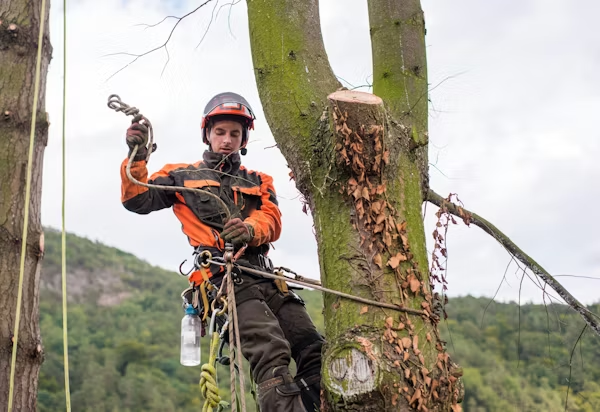
Not all greenery is good greenery. In fact, certain landscape value factors can actively drive down interest in your Richmond property. Trees with invasive root systems can buckle sidewalks, crack foundations, or interfere with underground sewer lines—issues that will inevitably trigger red flags during a home inspection.
Furthermore, trees that drop excessive debris, like gumballs or heavy sap, can make a yard feel high-maintenance. For a busy family looking at homes in Midlothian or Glen Allen, a “messy” tree represents a weekend of chores they’d rather avoid. In these cases, real estate benefits of tree removal include presenting a clean, manageable outdoor space that appeals to a wider demographic of buyers who prioritize convenience.
The Balance Between Landscaping and Resale Price
Finding the balance between landscaping and resale price is an art. While a completely bare lot can feel sterile and hot in the Virginia summer, an overcrowded one feels claustrophobic. The goal is to keep high-value, healthy specimens while removing the “filler” growth that adds no aesthetic or functional value.
If you are wondering, “Should I cut down a tree before selling?” consider the overall symmetry of your lot. Healthy, mature trees can add up to 20% to a home’s value, but only if they are positioned correctly. Landscaping changes that raise value often involve removing smaller, scrubby trees to give the majestic white oaks or maples room to breathe. This creates a curated, intentional look that signals the property has been professionally cared for.
Safety Risks Buyers Notice Immediately
In Richmond, we are no strangers to intense storm seasons. Buyers are increasingly savvy about the risks posed by large, aging trees during high winds. A dead or dying tree is a glaring “safety risk” that can halt a sale in its tracks. A professional yard safety assessment can identify hollow trunks or fungal growth that the untrained eye might miss.
Removing a hazardous tree is often a prerequisite for obtaining favorable homeowners insurance rates. The tree removal impact on your policy premiums can be significant, especially when insurers flag high-risk trees during annual reviews. If a buyer’s inspector notes a “danger tree” hanging over the power lines or the master bedroom, they will likely demand a price credit or insist on removal before closing. By taking care of it now, you maintain control over the process and the cost, ensuring a smoother transaction. You can learn more about how tree removal affects property value in Richmond neighborhoods to see how local trends impact your specific area.
How Yard Improvements Influence Market Perception
The way a yard is presented speaks volumes about the interior of the home. Improve home value. Yard work isn’t just about the trees themselves; it’s about the “vibe” of the property. A yard that feels open and sunny suggests a home that is bright and well-ventilated.
When you invest in outdoor property upgrades, you are selling a lifestyle. A cleared backyard creates space for a fire pit, a patio, or a play area for kids. In the competitive Richmond real estate market, these functional spaces are often more valuable than the trees they replaced. If you are dealing with trees near a fence or boundary, it is also vital to understand who is responsible for tree removal on your property line to avoid legal headaches during the sale.
Expert Tips to Maximize Property Worth After Removal
To truly have removing trees add value, you must follow through with the “after” care. Simply cutting down a tree and leaving a stump is a job half-done. For maximum property value improvement, you should:
- Grind the stump: A leftover stump is an eyesore and a tripping hazard.
- Fix the sod: Repair the grass or add mulch beds where the tree once stood.
- Prune surrounding trees: Ensure the remaining canopy looks uniform and healthy.
- Consult an expert: An arborist evaluation can confirm which trees are worth saving.
Before the crew arrives, make sure you know how to prepare your Richmond property for professional tree removal to ensure the process goes smoothly without damaging your lawn or existing landscaping.
Frequent Ask Questions:
1. Can removing a tree really increase property value?
Yes, especially if the tree is dead, dying, or blocking the view of the home. By improving curb appeal and eliminating safety hazards, you make the home more attractive to a broader range of buyers.
2. Do buyers prefer homes with fewer trees?
Most buyers prefer a balanced landscape. They appreciate a few healthy, mature trees for shade but may be deterred by an overgrown yard that looks like it requires significant maintenance or expensive professional service.
3. When should a tree be removed before selling a house?
It is best to remove problematic trees at least a few months before listing. This gives you time to repair the grass and complete other landscaping changes that raise value so the yard looks established and fresh when photos are taken.
4. Does removing a tree always raise property value?
Not necessarily. Removing a healthy, well-placed, and iconic mature tree can actually decrease value. The key is removing the “wrong” trees—those that are hazardous, invasive, or detrimental to the home’s structure.
5. Should I consult a professional before removing a tree?
Absolutely. A professional arborist evaluation ensures you aren’t removing a high-value asset by mistake. Professionals like Timberbrute can also help you navigate Richmond’s local HOA rules or historic district permits.
Conclusion
Determining whether a tree stays or goes is a critical part of home resale preparation. While trees provide beauty and shade, the real estate benefits of removing hazardous or unsightly growth cannot be ignored. By focusing on safety, light, and usability, you can significantly enhance the impact of tree removal on home price.
At Timberbrute, we are proud to be Richmond’s local authority on tree care. We don’t just cut trees; we help you curate a landscape that adds lasting value to your property. If you’re getting ready to list your home or simply want to improve your view, contact us today for a professional consultation. We will help you decide exactly how tree removal increases property value for your unique home.
Ready to boost your home’s curb appeal? Contact Timberbrute today for a free evaluation!