
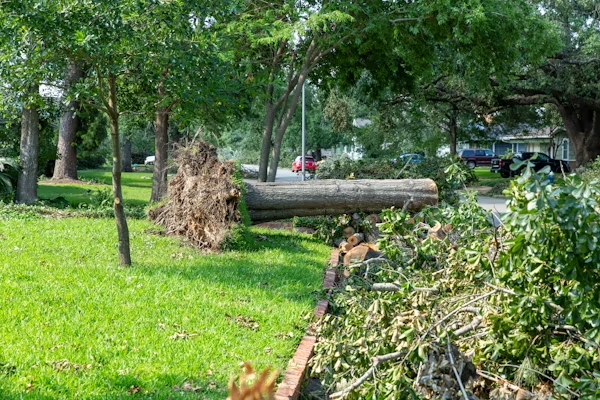
Learning how to repair a lawn after tree removal is essential for any Virginia homeowner who wants to maintain a pristine landscape after a major tree project. When a large oak or maple is taken down in a yard from Richmond to Virginia Beach, the aftermath often includes compacted soil, deep ruts from heavy machinery, and a literal hole in your landscape. Simply throwing some seed on the ground is not enough; you need a strategic lawn restoration process to ensure your turf returns to its former glory.
In this guide, we will walk you through the professional steps required to restore yard soil quality and fix the damage left behind by saws, stumps, and wood chips.
What Happens to Your Yard After a Tree Is Removed
The impact of tree work goes far beyond the missing canopy. Many homeowners wonder, does tree removal include stump grinding? If the stump remains, the surrounding grass will struggle to compete with the decaying wood for nitrogen. Even if the stump is gone, the heavy equipment used during the process often leads to significant soil compaction, which prevents water and oxygen from reaching the roots of your remaining grass.
Common Post-Removal Issues:
- Nitrogen Depletion: Decaying sawdust and roots pull nitrogen from the soil.
- Soil Compaction: Heavy treads crush the delicate pore spaces in Virginia’s clay-heavy soil.
- Sunlight Shifts: Areas previously in deep shade are suddenly exposed to intense midday sun.
Clearing Debris and Preparing the Ground Properly
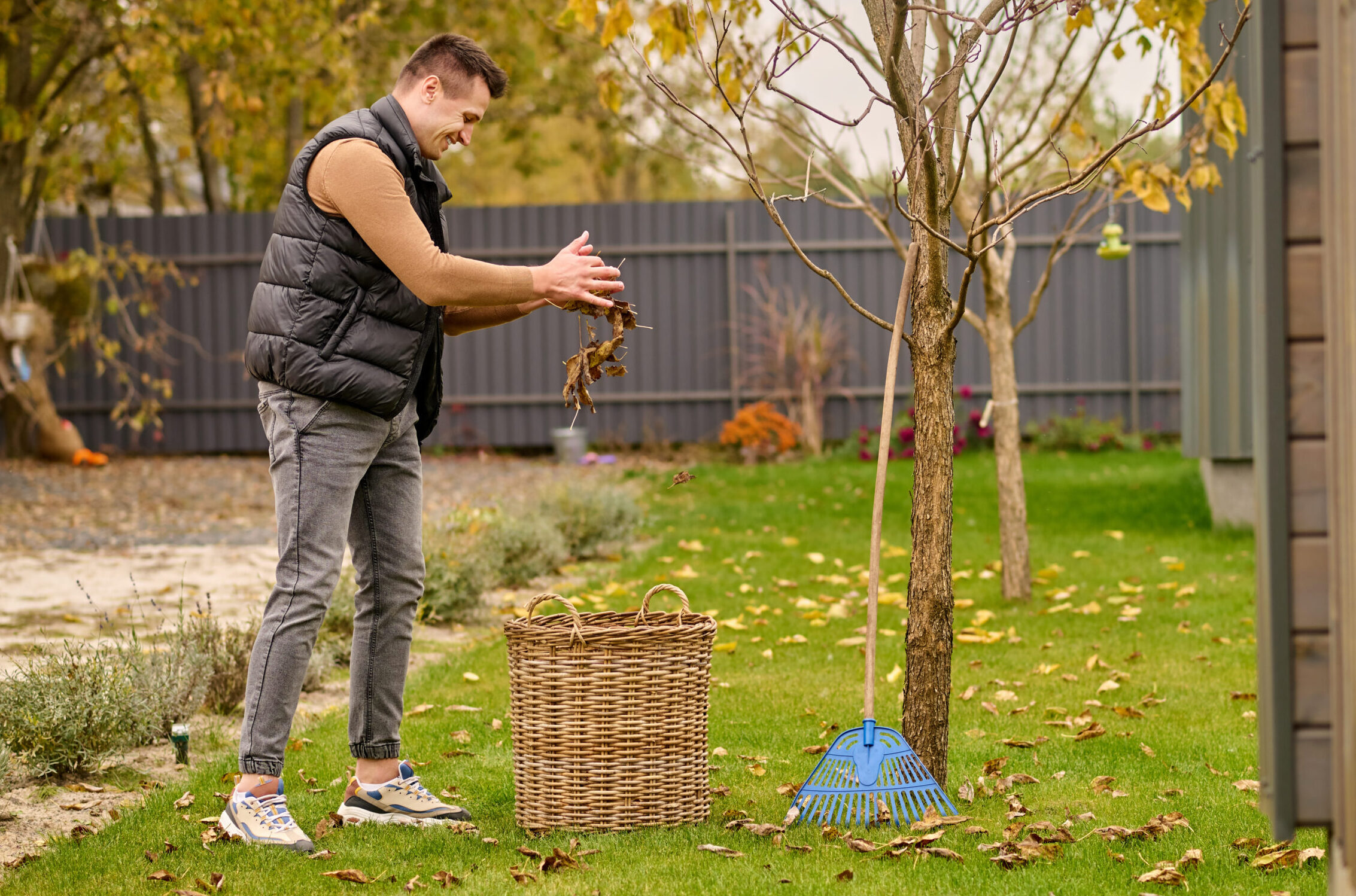
The first step to fix a lawn after tree cutting is a thorough cleanup. You cannot grow healthy turf on a bed of sawdust. Wood chips are high in carbon and low in nitrogen; as microorganisms break them down, they rob the soil of the nutrients your new grass needs to survive.
Steps for Debris Management:
- Rake and Remove: Clear away as much sawdust and wood debris as possible.
- Check for Roots: Use a shovel to ensure no large surface roots are blocking the area where you intend to grow grass.
- Address the Mulch: If you had a stump ground down, remove the mountain of mulch. It is better to use this in a flower bed than to leave it in a grass-growing zone.
Fixing Soil Damage and Filling Deep Holes
Once the area is clear, you must fill the hole from tree removal sites correctly to prevent future sinking. You cannot simply use fill dirt, which often lacks the nutrients found in high-quality topsoil. Using proper soil repair methods ensures that your ground surface repair lasts for years without turning into a muddy pit during the next Virginia rainstorm.
How to Fill the Hole:
- Layering: Fill the bottom of the hole with a mixture of native soil and organic compost.
- Compaction: Tamp the soil down lightly every 3 to 4 inches to prevent significant settling later.
- The Top Layer: The final 2 to 3 inches should be high-quality screened topsoil mixed with a starter fertilizer.
Leveling the Surface for a Smooth Lawn Finish
After the hole is filled, you need to smooth uneven lawn ground caused by the heavy equipment used during the landscape recovery steps. In Virginia, our red clay can become extremely uneven when wet. Yard leveling techniques are vital here to ensure you do not scalp your grass with the lawnmower later.
Professional Leveling Tips:
- Overfill Slightly: Always mound the soil about an inch higher than the surrounding grass, as it will naturally settle over the first few weeks.
- Grading: Use a garden rake to blend the edges of the new soil into the existing lawn.
- Aeration: If the surrounding yard was driven over by a crane or skid steer, consider core aeration to help with lawn recovery after tree work.
Choosing the Best Grass for Fast Recovery
To regrow grass quickly, you must select a variety that matches your existing lawn and the new sunlight conditions. Since the tree is gone, the area likely receives more sun than before. If you are unsure of what to put back, check our guide on what to plant after tree removal.
Grass Selection for Virginia:
- Tall Fescue: The most common choice for Virginia lawns due to its heat and drought tolerance.
- Kentucky Bluegrass: Great for a lush look but requires more maintenance.
- Bermuda Grass: Excellent for full-sun areas that see a lot of foot traffic.
Following a proper grass reseeding guide involves keeping the area moist. You should water lightly twice a day until the new blades are at least two inches tall.
Expert Tips to Restore a Healthy, Green Yard
True post-tree removal care involves more than just seed. You are looking for long-term turf regrowth solutions. If the area is large, you might consider replanting after tree removal in Richmond with smaller ornamental trees or shrubs instead of just grass.
Pro-Level Maintenance:
- Nitrogen Boost: Apply a nitrogen-rich fertilizer about 6 weeks after the grass germinates to counteract any remaining sawdust.
- pH Testing: Virginia soil is often acidic. Use a soil test kit to see if you need to add lime to improve the lawn after excavation efforts.
- Check Local Rules: Always verify Richmond tree removal permit requirements before starting major land disturbances.
Frequently Asked Questions
1. How long does it take for grass to grow back after tree removal?
Depending on the season and grass type, you will usually see sprouts in 7 to 14 days, with full coverage achieved in 6 to 8 weeks.
2. Should I remove wood chips before planting grass?
Yes. Wood chips inhibit nitrogen levels and create an unstable foundation for grass roots. Remove them and replace them with topsoil.
3. What soil should I use to refill the hole?
A 50/50 mix of screened topsoil and organic compost is ideal for providing structure and nutrients.
4. Is fertilizer necessary after tree removal?
Yes, a starter fertilizer is highly recommended to help the new seeds establish a strong root system quickly.
5. Can I lay sod instead of planting seed?
Absolutely. Sod provides an instant repair solution for grass after stump removal, though it is more expensive than seeding.
Conclusion
Successfully executing a how-to-repair-lawn-after-tree-removal project requires patience and the right materials. By focusing on removing debris, fixing soil compaction, and choosing the right seed, you can turn a scarred patch of dirt back into a beautiful, functional part of your landscape.
At Timberbrute, we are dedicated to helping Virginia property owners navigate the entire lifecycle of tree care, from initial removal to the final blade of grass. If the damage to your yard feels overwhelming, or you need professional excavation to clear a site properly, our team is here to help.