
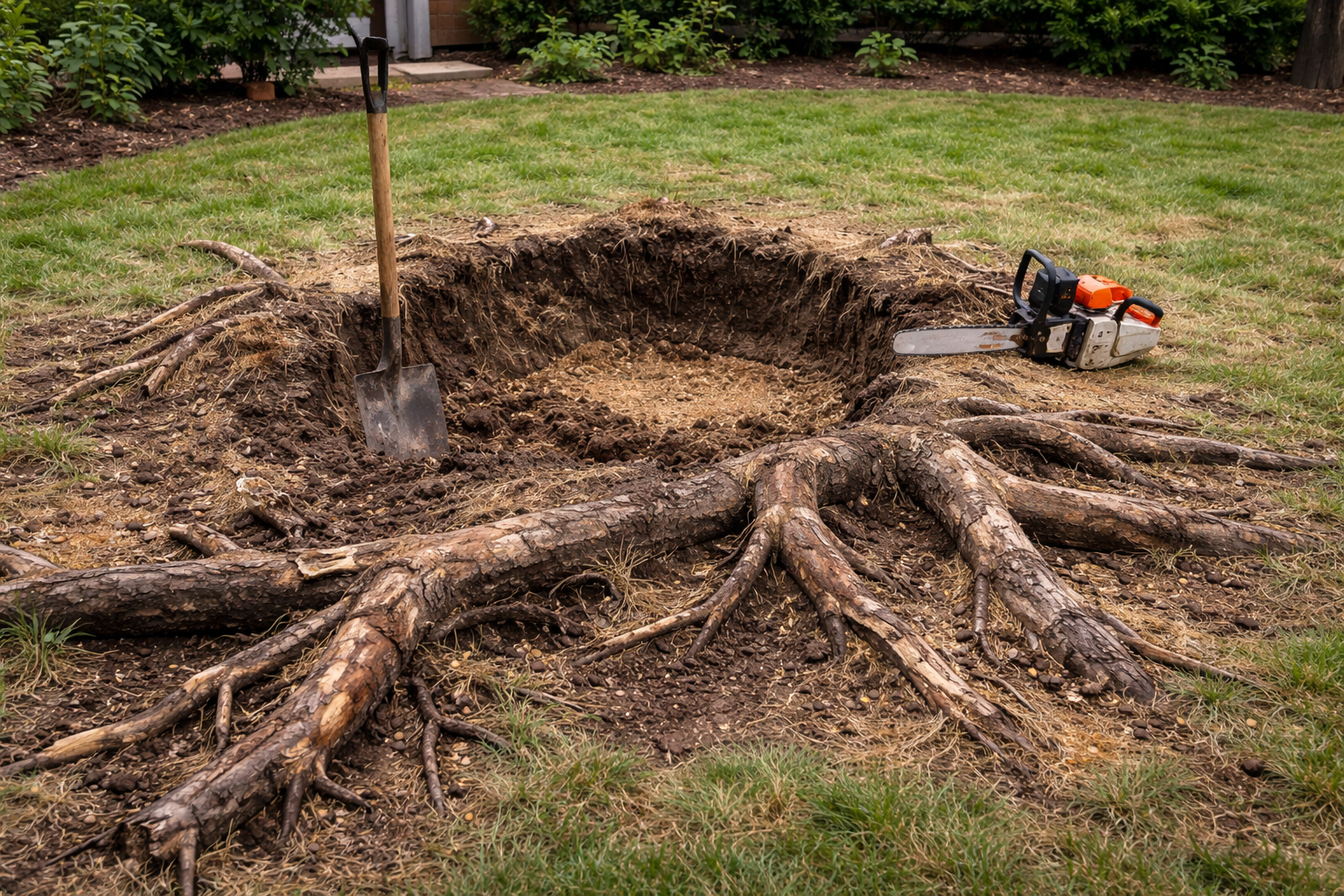
Root problems after stump removal are a common concern for property owners who believe the issue is resolved once the stump is gone. While services such as Stump Removal in Short Pump, VA eliminate the visible portion of a tree, underground tree roots often remain active long after stump grinding is complete.
These hidden roots can continue to affect lawns, foundations, and soil stability.
The problem is that many homeowners are not warned about what happens below the surface. Without proper follow up, root problems after stump removal can lead to uneven ground, damaged landscaping, or structural concerns.
Understanding how roots behave after removal helps property owners take the right steps early instead of dealing with expensive repairs later.
This blog explains why root problems happen, how to identify them, and what Richmond property owners can do to protect their land after stump removal.
Understanding Root Problems After Stump Removal
Root problems after stump removal occur because stump grinding removes only the visible stump and part of the root crown. Large portions of the underground tree roots are usually left behind.
These remaining roots can:
- Decompose unevenly
- Shift soil levels
- Create voids beneath lawns
- Interfere with new landscaping
Tree root problems are often invisible at first, which is why they are frequently overlooked. Over time, post stump removal problems can become more noticeable and costly.
Understanding how underground tree roots behave helps property owners make informed decisions after stump removal.
Proper stump removal in Sandston, VA can help prevent root-related problems and reduce the chance of regrowth.
Why Tree Roots Continue Growing After Stump Grinding
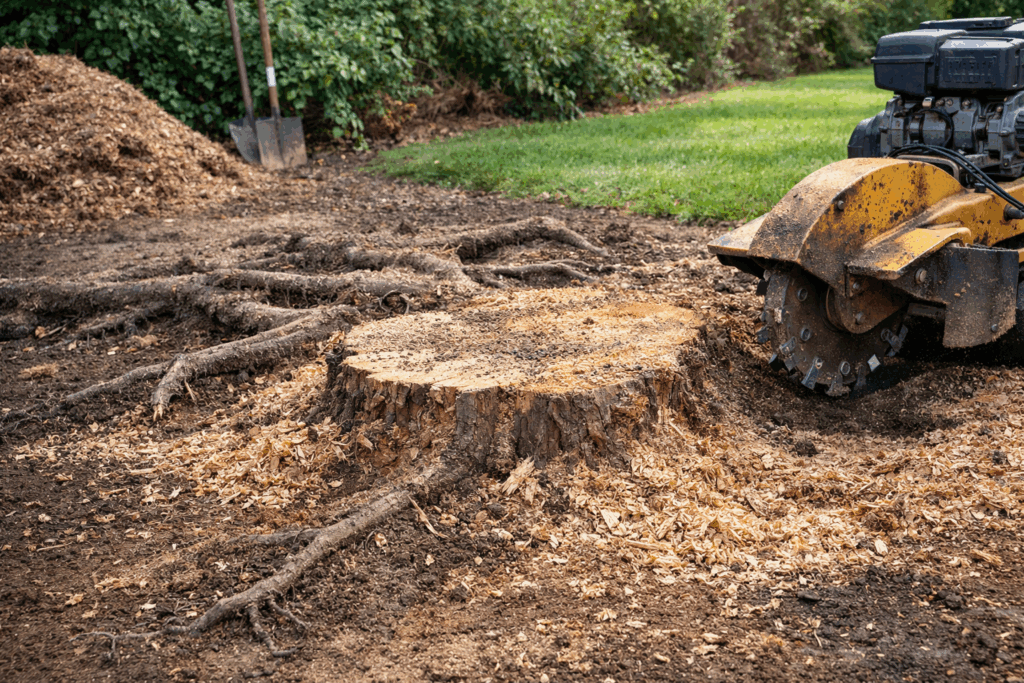
Many homeowners are surprised to learn that roots may continue to grow after stump grinding. This happens because some tree species store energy in their root systems.
In certain cases:
- Small feeder roots attempt to regenerate
- Roots remain alive temporarily after removal
- Nearby root connections feed off surrounding vegetation
Root decay after stump grinding does not happen all at once. Instead, roots break down gradually, which can cause instability in the soil.
Root problems after stump removal are more common when large trees are removed or when grinding depth is limited.
If you’re dealing with root issues after cutting a tree, our stump removal in Rockville VA service can help eliminate the remaining stump and prevent further problems.
Common Types of Root Damage to Lawns and Foundations
Underground tree roots can cause a variety of issues on residential and commercial properties.
Common problems include:
- Lawn damage from tree roots creating uneven surfaces
- Cracks in sidewalks or driveways
- Foundation damage from roots pushing against structures
- Drainage problems due to soil displacement
Foundation damage from roots is a serious concern, especially in older Richmond properties with shallow footings. Root problems after stump removal can worsen if ignored.
Recognizing early signs helps prevent long term structural issues.
How Long Do Tree Roots Take to Decompose Naturally?
Tree root decomposition timelines vary based on tree size, species, and soil conditions. In Richmond, Virginia, roots can take several years to fully decompose.
Factors that affect decomposition include:
- Soil moisture levels
- Root thickness
- Local climate conditions
- Presence of microorganisms
Larger roots may take five to ten years to break down completely. During this time, soil settling and voids may form, leading to post stump removal problems.
Root problems after stump removal often appear gradually as roots decay unevenly.
Signs You Still Have Underground Root Problems
Identifying root problems early can save property owners from costly repairs. Some signs indicate that underground roots are still causing issues.
Warning signs include:
- Sinking or uneven patches in the lawn
- New cracks in pavement or concrete
- Poor drainage or pooling water
- Difficulty planting new trees or grass
If these symptoms appear months after stump removal, underground tree roots may be the cause. Root problems after stump removal should not be ignored, especially when soil stability is affected.
Professional Solutions for Root Problems After Stump Removal
Professional intervention is often the safest and most effective solution. Root removal services are designed to address underground issues without causing further damage.
Professional solutions may include:
- Mechanical root removal
- Soil stabilization and backfilling
- Root barrier installation
- Controlled excavation near foundations
Post stump removal problems require careful handling to avoid damaging utilities or structures. Professionals use specialized equipment and techniques to remove roots safely.
Addressing root problems after stump removal early reduces long term risks.
To prevent ongoing root problems, professional tree stump removal in Lakeside VA can help completely eliminate the remaining stump and root system.
Root Problems After Stump Removal in Richmond, VA
Root problems after stump removal in Richmond, VA are influenced by local soil composition and climate. Clay heavy soils common in parts of Richmond can slow root decay and increase soil movement.
Additionally:
- Seasonal rainfall affects soil expansion and contraction
- Older neighborhoods may have shallow foundations
- Urban landscaping limits natural root decomposition
These factors make Richmond properties more vulnerable to post stump removal problems if roots are not properly managed.
Understanding local conditions helps property owners choose the right solution.
Hiring a Local Tree Root Removal Expert in Richmond, US
Hiring experienced local professionals ensures root problems are handled correctly. Local tree root removal experts understand Richmond soil conditions, regulations, and property layouts.
When choosing a provider, look for:
- Experience with underground root systems
- Knowledge of local soil behavior
- Safe excavation practices
- Clear communication and planning
Timberbrute provides reliable solutions for root problems after stump removal, helping Richmond property owners protect their lawns and structures. For professional assistance or evaluations, property owners can reach out through the Contact Us page.
Conclusion
Root problems after stump removal are a hidden issue that can impact lawns, foundations, and soil stability if left unaddressed. While stump grinding removes the visible stump, underground roots often remain active for years.
By understanding how roots behave, recognizing warning signs, and working with professionals, Richmond property owners can prevent long term damage. Addressing root problems after stump removal early protects both property value and safety.
To prevent future root issues and restore your yard, consider our expert stump removal in Innsbrook VA services.
Frequently Asked Questions
Can tree roots grow back after stump removal?
In some cases, small roots may attempt to regenerate temporarily, especially if the tree species stores energy in its root system.
Is stump grinding enough to prevent root problems?
Stump grinding removes the stump but usually leaves large roots underground, which can still cause issues.
How do I know if tree roots are damaging my foundation?
Signs include cracks in concrete, uneven floors, or shifting structures near the former tree location.
Are root problems common in Richmond, VA soil conditions?
Yes, Richmond’s soil composition and climate can slow root decay and increase the risk of soil movement.
Should I hire a professional for underground root removal?
Yes, professional services ensure safe and effective root removal without damaging surrounding structures.