
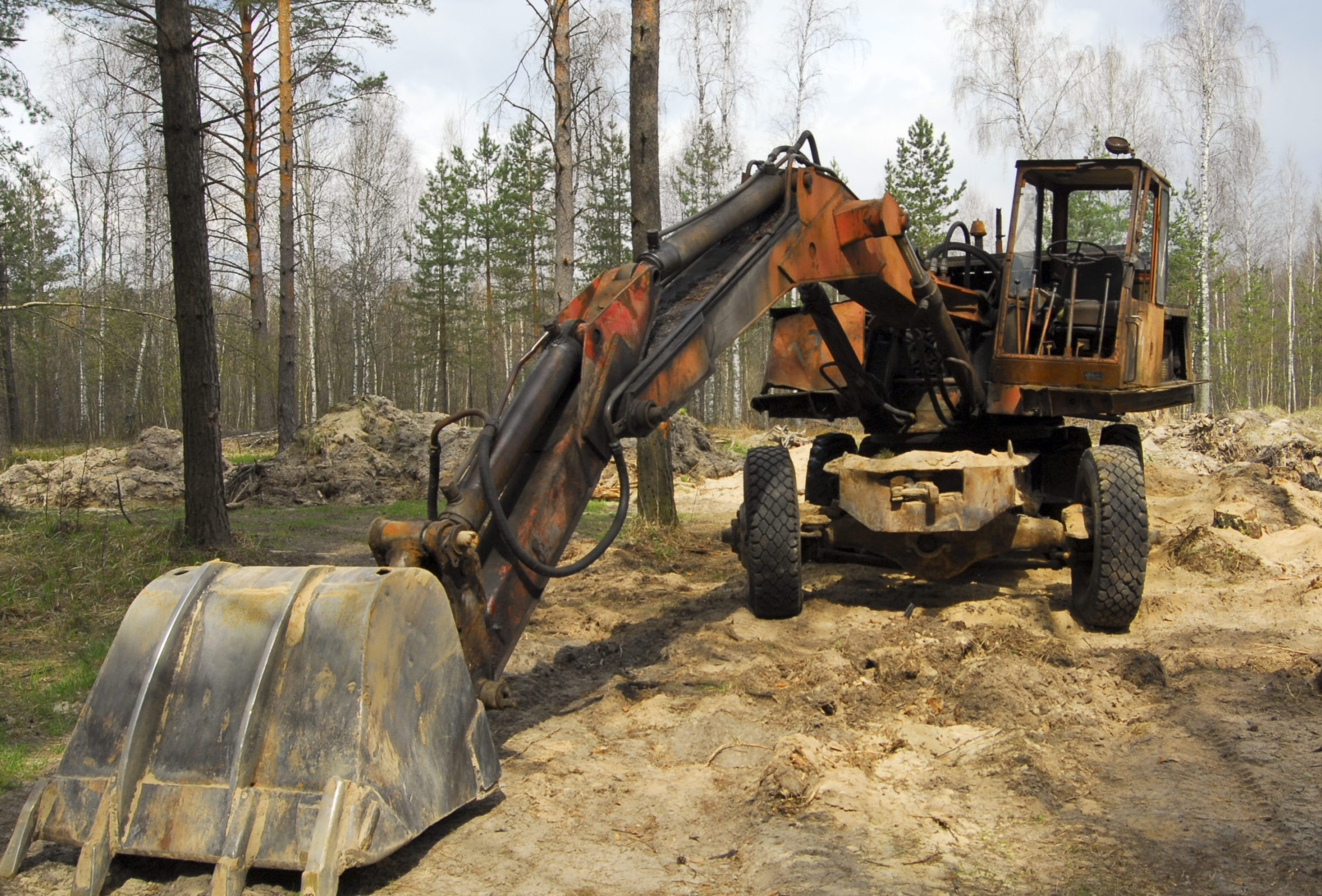
When tackling land clearing projects in Virginia, determining what size excavator for stump removal you need is the difference between a quick afternoon task and a multi-day mechanical nightmare. Whether you are a property owner in Fairfax or a contractor clearing acreage in Roanoke, matching your machine to the stump diameter and species is critical for efficiency. Consulting a comprehensive excavator size guide can help you navigate the complexities of hydraulic force, while utilizing professional stump removal tools ensures that even the most stubborn root systems are handled with precision.
Using the wrong ground excavation equipment can lead to property damage, wasted fuel, and unnecessary strain on the machine hydraulics. In this guide, we break down exactly how to choose an excavator for tree base removal so you can finish the job right the first time.
Choosing the Right Excavator Size for Stump Jobs
Selecting the right excavator weight class is primarily determined by the diameter of the tree stump and the complexity of the root system. Excavators are generally categorized by their metric tonnage, and each class offers a different level of breakout force.
The Weight Class Breakdown
- 1 to 3 Tons (Micro or Mini): Best for small ornamental stumps under 12 inches and tight residential spaces.
- 3 to 6 Tons (Midi): The sweet spot for most Virginia residential lots. These offer enough excavator power for roots of medium-sized hardwoods like oak or maple.
- 8 to 10 tons (intermediate): Necessary for large stumps over 24 inches where significant leverage is required.
- 15 Plus Tons (Standard or Large): Reserved for massive commercial clearing and old-growth forest removals.
Small vs. Large Machines: Which Performs Better?
While it is tempting to think bigger is always better, the best excavator for stump digging is often the one that balances power with site accessibility.
Small machines excel in established neighborhoods. They have a lower ground pressure, meaning they won’t destroy a manicured lawn or crack a driveway while traveling to the backyard. However, they lack the vertical leverage needed to pull deep taproots.
Large machines provide massive hydraulic breakout force. If you are dealing with a 40-inch-wide white oak stump, a small machine will simply bounce off it. A larger hydraulic digging machine can use its weight as a counter-lever to snap lateral roots that a mini excavator would not even budge.
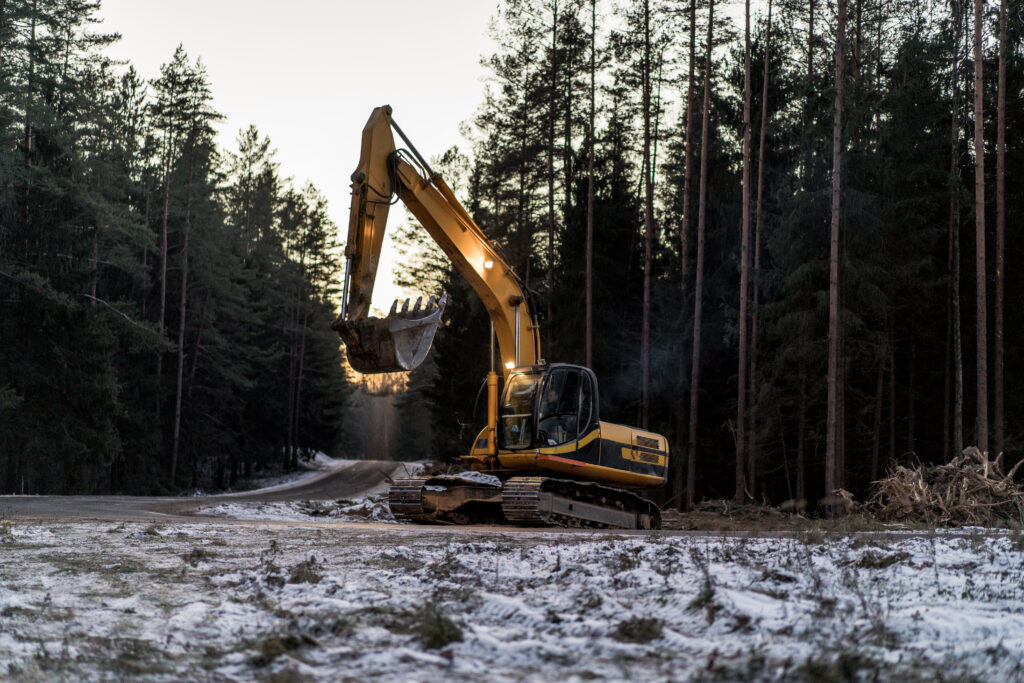
Factors That Determine the Ideal Equipment Size
To find the ideal equipment for stump pulling, you must look beyond the visible wood. Several local and biological factors come into play:
1. Tree Species and Root Structure
Virginia is home to diverse flora. Pine trees often have shallow, spreading roots, whereas hickories and oaks may have deep taproots. The deeper the root, the more tonnage you need to reach and sever them.
2. Soil Conditions in Virginia
Our Virginia Red Clay is notorious for being dense and heavy. When wet, clay acts like suction, holding the stump in place. This requires more heavy equipment selection to focus on hydraulic flow and bucket breakout force than you might need in sandy coastal soils.
3. Presence of Obstacles
If the stump is near a utility line or a foundation, you may be forced to use a smaller machine and take more time digging precisely. Understanding what tree stump removal in these sensitive areas is vital for safety.
Mini Excavators: Are They Strong Enough for Roots?
Many property owners wonder if mini excavator equipment can handle professional-grade work. The answer is yes if you use the right root extraction tools.
A 3.5-ton mini excavator is surprisingly capable of tree stump removal necessary for most 12- to 18-inch stumps. To maximize a smaller machine size for root removal, you should utilize:
- Ripper Teeth: A single-pointed tooth that focuses all the machine force on one spot to slice through thick roots.
- Hydraulic Thumbs: Essential for grabbing and wiggling the stump once the roots are cut.
- Narrow Buckets: These concentrate the digging force, making it easier to penetrate hard clay.
Common Mistakes When Selecting Excavators
Even experienced operators can make errors in construction machinery specs when planning a job. Avoiding these pitfalls will save you time and money:
- Underestimating the Root Ball: The visible stump is usually only 20% of the total mass. Failing to account for the root spread leads to renting a machine that is too light.
- Ignoring Reach: If you cannot position the machine close to the stump due to terrain, you need a longer boom. Power decreases as the arm extends further from the cab.
- Forgetting Cleanup: Once the stump is out, you have a massive hole and a pile of debris. Will your machine be able to backfill the hole effectively? If not, you may face root problems after stump removal, like sinkholes, later.
Pro Tips for Faster, Cleaner Stump Extraction
To optimize your stump digging machine guide into a practical workflow, follow these industry secrets:
- Leave a High Stump: Do not cut the tree flush to the ground if you plan to excavate it. Leaving 3 to 4 feet of the trunk provides a lever that the excavator can push and pull to snap underground roots.
- The Box Method: Dig a trench in a square around the stump, about 2 feet out from the base. This severs all lateral roots before you ever attempt to lift the center mass.
- Use a Stump Shear: For commercial jobs, a shear attachment can slice the stump into smaller, manageable pieces while it is still in the ground.
Frequently Asked Questions
1. What size excavator is best for stump removal?
For most residential and light commercial work, a 5-ton to 8-ton excavator is the most versatile choice. It offers a balance of power, reach, and transportability.
2. Can a mini excavator remove tree stumps?
Yes, but they are generally limited to stumps under 18 inches in diameter. For larger stumps, a mini excavator may take hours of digging compared to minutes with a larger machine.
3. Do bigger excavators remove stumps faster?
Absolutely. Larger machines have higher hydraulic pressure and more weight, allowing them to rip through roots and lift the stump with significantly less digging.
4. What attachment is best for stump removal?
A combination of a ripper to cut roots and a hydraulic thumb to pull the stump out is considered the gold standard for efficiency.
5. Is renting an excavator better than buying one?
For one-off projects or homeowners, renting is better to avoid maintenance costs. However, professionals in Virginia often buy 5-ton units, as they are the most frequently used machine size for root removal.
Conclusion
Choosing the right excavator weight class is the most important decision you will make before you start digging. In the dense clay soils of Virginia, leaning toward a slightly larger machine like a 5-ton or 8-ton model often pays for itself in the hours of labor saved. At Timberbrute, we understand the nuances of land clearing and the heavy-duty demands of the local landscape. Whether you are a contractor looking for professional insights or a homeowner planning a major backyard overhaul, having the right knowledge is key to a successful project.
If you are still unsure of your equipment needs or require professional assistance, contact Timberbrute today for expert consultation and top-tier stump removal services. We can help you determine exactly what size excavator for stump removal is required for your specific property.