
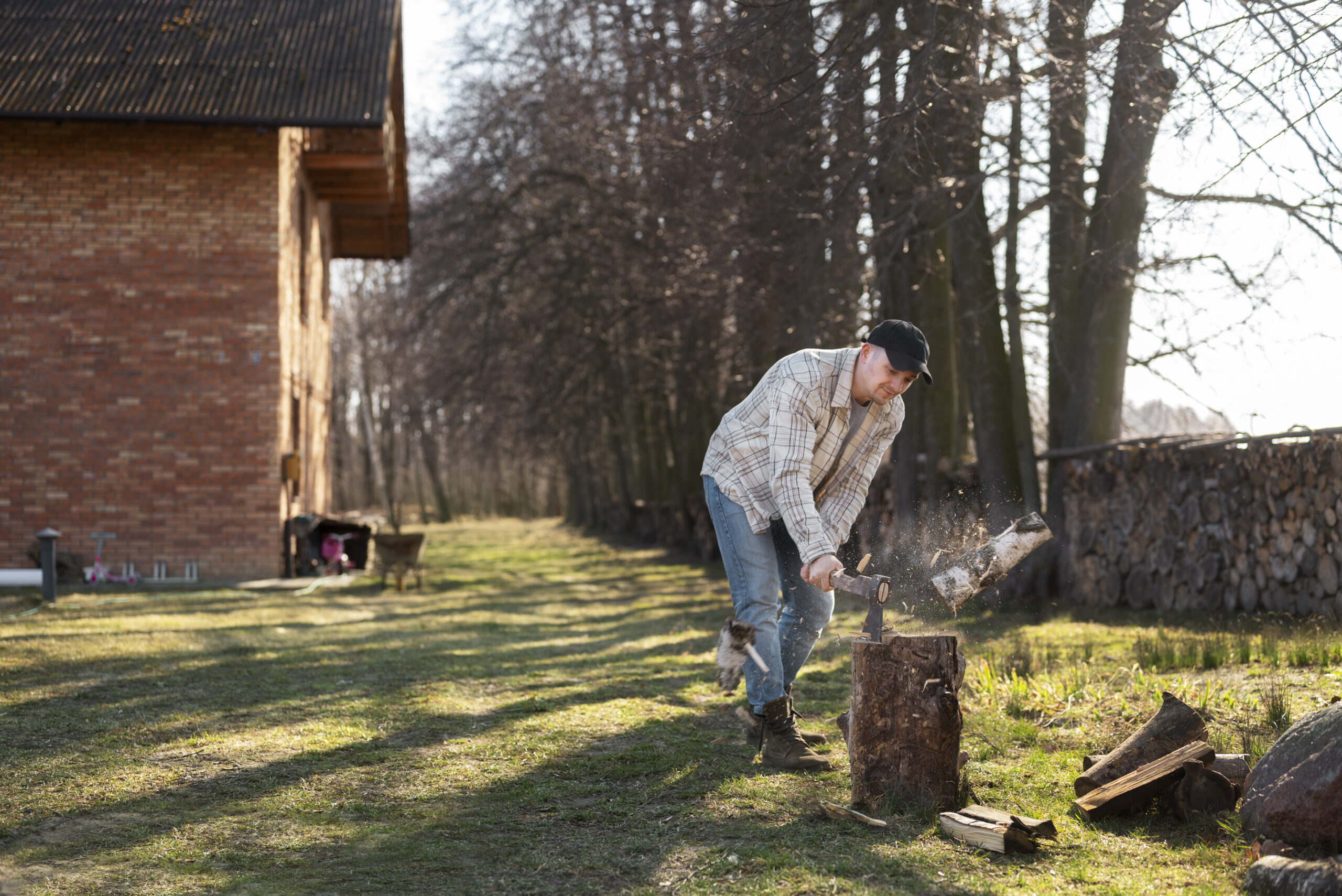
Most people focus so much on getting the tree down that they don’t stop to think about what comes next. But for Virginia homeowners, that moment when the crew packs up and pulls out of the driveway is really when the work starts. You’re left staring at a torn-up patch of yard, dealing with the stump grinding aftermath, compacted soil, and a scattering of wood chips that seem to go on forever. Knowing what to do with the lawn after tree removal is honestly what separates a yard that bounces back quickly from one that looks rough for the next two seasons.
At Timberbrute, we know tree removal is only the beginning. Whether it’s a storm-damaged maple or a dying oak, recovery takes strategy. We guide Virginia homeowners through the full restoration process, ensuring a clean cut leads to a beautiful yard. From handling leftover wood chips to tackling the clay-heavy soil common across the state, our approach helps transform a construction zone into a thriving green space. With Timberbrute, you don’t just lose a tree; you gain a plan for a healthier, more vibrant yard.
First Steps to Take Right After a Tree Comes Down
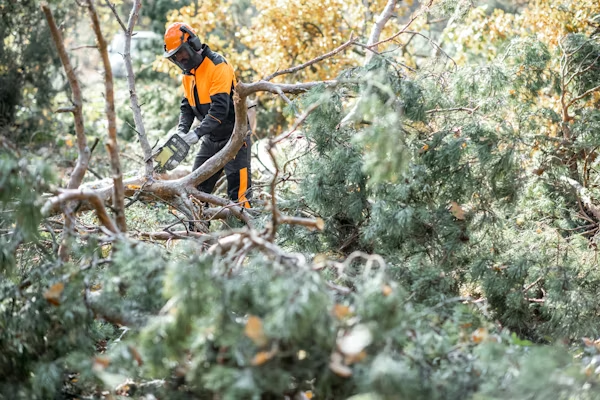
The moments immediately following a major extraction are critical. Once the heavy lifting is done, your primary goal is to clean the yard after tree service to prevent long-term damage to the surrounding grass. Heavy machinery, even when used carefully by professionals, can stress the turf. If the crew didn’t use ground protection mats, you might see “bruised” grass or shallow ruts.
At Timberbrute, we pride ourselves on transparency regarding how we complete your tree removal. The first step for any homeowner should be a thorough walkthrough. Look for:
- Leftover twigs or small debris that can dull mower blades.
- Areas where sawdust has accumulated (this can suffocate the grass if left too long).
- Soil displacement near the trunk area.
Addressing these minor issues within the first 48 hours prevents them from becoming permanent scars on your lawn. If you’re already thinking about the next phase of your yard’s life, you might also be curious about what to plant after tree removal to fill that new gap in your canopy.
Removing Wood Chips, Roots & Leftover Debris
One of the biggest mistakes homeowners make is trying to fix a lawn after stump removal by simply throwing soil over a pile of wood chips. Wood chips are high in carbon; as they decompose, they “steal” nitrogen from the soil, leaving very little for your new grass. To repair the yard after tree cutting effectively, you must remove the bulk of the mulch produced during stump grinding.
- Rake it out: Remove at least 80% of the wood chips from the hole.
- Surface roots: If there are large surface roots remaining, they may need to be trimmed back manually to prevent future “humps” in your turf.
- Compost the chips: Don’t throw the chips away! They make excellent mulch for flower beds elsewhere on your property.
Cleaning the site thoroughly ensures that your post-tree removal cleanup leads to a successful replanting phase. Clean the yard after tree service.
Fixing Soil Compaction and Nutrient Loss
Virginia soil is notorious for its high clay content, which compacts easily under the weight of trucks and falling logs. When soil is compacted, oxygen and water can’t reach the roots of your grass. To improve soil after tree removal, you need to break up that hard-packed earth.
Use a garden fork or a core aerator to loosen the soil in a 10-foot radius around the former tree site. This is also the time for a soil conditioning treatment. Because trees spend decades pulling nutrients from the earth, the area is likely depleted of nitrogen and phosphorus. Adding a layer of high-quality compost or a balanced starter fertilizer will help restore grass after excavation by giving the new seeds the fuel they need to thrive in our local climate.
How to Level the Ground for a Smooth Finish
A common sight in Virginia residential neighborhoods is the “sunken circle”—the spot where a tree used to be that has now turned into a muddy bowl. To level ground after tree work, you have to account for settling. When you fill the hole left by the stump, don’t just fill it to the brim; mound the soil slightly higher than the surrounding grade.
Over the next few weeks, gravity and rain will cause the loose dirt to pack down. By mounding the area (about 2-3 inches above the lawn line), you ensure that once it settles, it remains perfectly flush. For the best results, use a mix of 70% topsoil and 30% organic compost. This creates a stable yard leveling service result that won’t require a second application a year later.
Seeding, Sodding, or Landscaping—What’s Best?
Once the ground is level, you have to decide on your turf repair solutions. Most Virginians opt for grass reseeding methods, using fescue or Kentucky bluegrass. However, timing is everything. If you are wondering what the cheapest time of year for tree removal is, you might find that winter removals lead perfectly into a spring seeding window.
- Seeding: The most cost-effective way to regrow grass quickly. Best done in early fall or spring in Virginia.
- Sodding: Offers an “instant” lawn. It is more expensive but ideal if you have a steep slope where seeds might wash away during a Richmond summer thunderstorm.
- New Planting: Sometimes, the best thing to do with a lawn after a tree is gone is to turn that spot into a new mulch bed with shade-loving perennials, especially if surrounding trees still cast significant shadows.
Long-Term Lawn Care Tips for Healthy Regrowth
The landscape renovation doesn’t end once seeds are in the ground. New grass is delicate, especially in the transition zone of Virginia with humid heat and freezing winters. For the first month, water lightly twice a day; never let soil dry out completely. Keep foot traffic and pets away for six weeks. If “mushroom” growth appears where the tree was, don’t panic; it’s leftover underground roots decomposing. Kick them over or mow them down. Consistency is the hallmark of a professional lawn restoration process.
Frequent Ask Questions
1. Should I remove all wood chips after tree removal?
It is highly recommended to remove the majority of wood chips. Leaving them in a thick layer creates a nitrogen deficiency in the soil, which will cause any new grass you plant to turn yellow and die.
2. How do I fix a sunken area where the tree was?
Fill the area with a mixture of topsoil and compost, mounding it slightly higher than the surrounding lawn. As the organic material settles and the air pockets disappear, the “mound” will flatten out to be level with the rest of your yard.
3. Is fertilizer needed after tree removal?
Yes. Trees are “heavy feeders” that often deplete the soil around them. Using a starter fertilizer high in phosphorus will help new grass seeds develop a strong root system quickly.
4. Can I plant grass immediately after stump grinding?
You can, provided you have removed the wood chips and replaced them with fresh topsoil. If you plant directly into the “mulch” left by the grinder, the grass is unlikely to survive.
5. How long does lawn recovery take?
With proper seeding and watering in the Virginia climate, you should see green sprouts within 10–14 days. However, it typically takes a full growing season for the area to blend perfectly with the rest of your lawn.
Conclusion
Mastering what to do with the lawn after tree removal takes a bit of patience and some “sweat equity,” but the results are worth it. By focusing on soil health, proper leveling, and the right seeding schedule, you can erase the evidence of a tree removal and enjoy a seamless, healthy yard. At Timberbrute, we understand that our job isn’t done just because the tree is on the ground. We are committed to helping Virginia homeowners maintain beautiful, safe, and functional properties. If you’re planning a removal or need advice on a landscape renovation, our team of experts is here to guide you through every step of the process.
Ready to reclaim your yard? Contact Timber brute today for a consultation on your next project and let us help you figure out exactly what to do with the lawn after tree removal!