
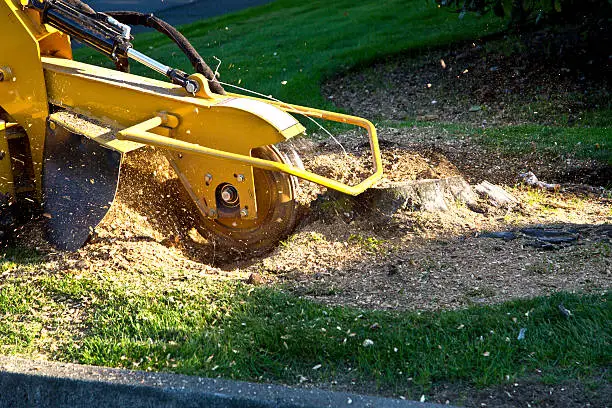
Knowing how to kill tree roots after stump removal is the final, essential step in reclaiming your yard and ensuring that a removed tree doesn’t “ghost” you with unwanted regrowth. Many homeowners in Richmond, Virginia, assume that once the main trunk is gone, the job is finished. However, a tree’s root system can extend far beyond the drip line, often remaining alive and active long after the visible stump has been ground down.
If left untreated, these lingering roots can cause a variety of headaches, from sprouting “sucker” trees to damaging underground pipes. In this guide, we will walk you through the most effective ways to eliminate tree roots effectively so you can move forward with your landscaping projects.
Why It’s Important to Kill Tree Roots After Stump Removal
When you invest in what is tree stump removal, you’re usually looking for a clean slate. However, certain species (like maples or elms) are stubborn. Their roots contain energy reserves that allow them to send up new shoots even without a trunk.
Here is why you shouldn’t skip this step:
- Preventing Regrowth: To truly kill tree roots after stump grinding, you must address the lateral roots that are still drawing nutrients.
- Avoiding Structural Damage: Roots can continue to push against walkways, foundations, or septic lines.
- Pest Control after Stump Removal: Decaying wood that isn’t properly treated can attract termites, carpenter ants, and fungi that may spread to healthy plants.
- Lawn Restoration after Tree Removal: To get a smooth, green lawn again, you need the ground to be stable and free of hard, protruding wood.
Understanding is tree stump removal necessary often comes down to these long-term root problems after stump removal.
Natural Methods to Eliminate Tree Roots
If you prefer to avoid harsh toxins in your Richmond garden, there are several natural root-killing methods that are safe for the environment and your pets.
1. Epsom Salt or Rock Salt
Salt works by pulling moisture out of the wood, effectively dehydrating the root system.
- How to do it: Use tree root removal tools like a high-powered drill to create deep holes into the remaining root flares. Fill the holes with Epsom salt and add a little water to moisten it. Cover the area with a tarp to prevent rain from washing the salt away.
- Pros: Cheap and non-toxic.
- Cons: It takes several months to work.
2. Boiling Water and Light Deprivation
For smaller, shallow roots, scalding them with boiling water can shock the system. Additionally, covering the area with a heavy black plastic tarp or thick mulch cuts off the “suckers” from sunlight, which is one of the best root removal techniques for those who have the luxury of time.
Chemical Solutions for Killing Tree Roots Safely
For faster results, chemical treatments for tree roots are often the go-to choice. These are designed to travel down into the vascular system of the plant to ensure the entire network dies off.
Commercial Herbicides
Products containing glyphosate or triclopyr are the most effective chemical root killers.
- Application: Use a paintbrush to apply the herbicide directly to the freshly cut surface of the root. This prevents the chemical from drifting onto your grass or nearby flowers.
- Safety Tip: Always wear gloves and eye protection. In Virginia’s humid climate, ensure you apply these on a dry day so the chemical doesn’t wash into the soil.
How to Speed Up the Decay Process of Tree Roots
If you don’t want to wait years for nature to take its course, you can implement fast tree root decay solutions by changing the environment underground.
- Drilling techniques: Creating more surface area allows natural methods to kill tree roots—like fungi and bacteria—to work faster.
- Moisture Control: Keep the area damp (but not soaked). Fungi need moisture to eat away at the wood.
- Soil conditions: Adding high-nitrogen fertilizer into your drill holes can kickstart the decomposition process.
Common Mistakes to Avoid When Killing Tree Roots
Even the best DIY efforts can fail if you make these common errors:
- Using Too Much Chemical: Over-applying herbicide can leach into the soil and kill your prized lawn.
- Ignoring Regrowth: If you see a sprout, kill it immediately. Each sprout acts like a solar panel, feeding the root and keeping it alive.
- Poor Application Methods: Applying treatments during a Richmond summer heatwave or right before a thunderstorm can reduce effectiveness.
Professional Tips for Complete Tree Root Removal
Sometimes, the DIY route isn’t enough, especially for massive oaks or trees close to your home’s foundation. This is where tree care services and tree root removal professionals come in.
- Arborist Root Treatment: A certified arborist can identify exactly which roots are problematic and use specialized injections to stop growth without harming the surrounding ecosystem.
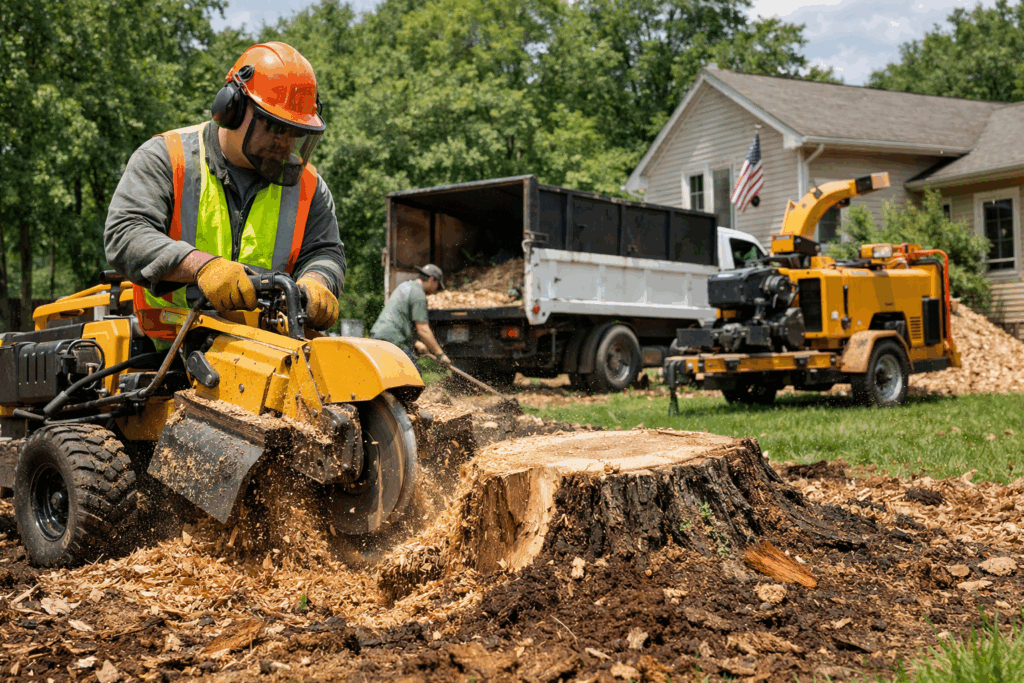
- Stump Grinding Equipment: Professional stump grinding equipment doesn’t just shave the top; it can go deep into the ground to 12-18 inches, mechanically destroying the core of the root system.
- Lawn Restoration: Professionals can help with soil remediation after the roots are gone, ensuring your new grass grows back perfectly.
Frequent Ask Questions:
1. Why should I kill tree roots after stump removal?
To prevent new sprouts from growing, avoid damage to pipes or foundations, and stop pest control after stump removal issues like termites.
2. How long does it take for tree roots to die after stump removal?
Naturally, it can take 3 to 7 years. With salt or chemical treatments, you can see results in weeks, though full decay still takes 6 to 12 months.
3. What are natural ways to kill tree roots?
Epsom salt, rock salt, and depriving the roots of light/oxygen are the most effective natural methods to kill tree roots.
4. Are chemical solutions safe for my lawn and plants?
They are safe if applied correctly (targeted application). However, broadcast spraying can kill your grass and nearby plants.
5. Can a professional help with tree root removal?
Yes. Professionals like Timberbrute use heavy-duty machinery to eliminate tree roots effectively and provide a permanent solution that manual labor can’t match.
Conclusion
Mastering how to kill tree roots after stump removal is the key to a healthy, beautiful Richmond landscape. Whether you choose the patience of natural salt treatments or the efficiency of chemical root killers, the goal is the same: preventing regrowth and protecting your property.
Don’t let underground roots ruin your new patio or lawn. If the job feels too big or you want to ensure it’s done right the first time, Timberbrute is here to help. We offer expert tree care services and professional stump removal and root treatment across the Richmond area.
Ready to clear your yard for good? Contact Timberbrute today for a free quote on professional stump and root removal! By following these steps, you’ll finally know exactly how to kill tree roots after stump removal.