
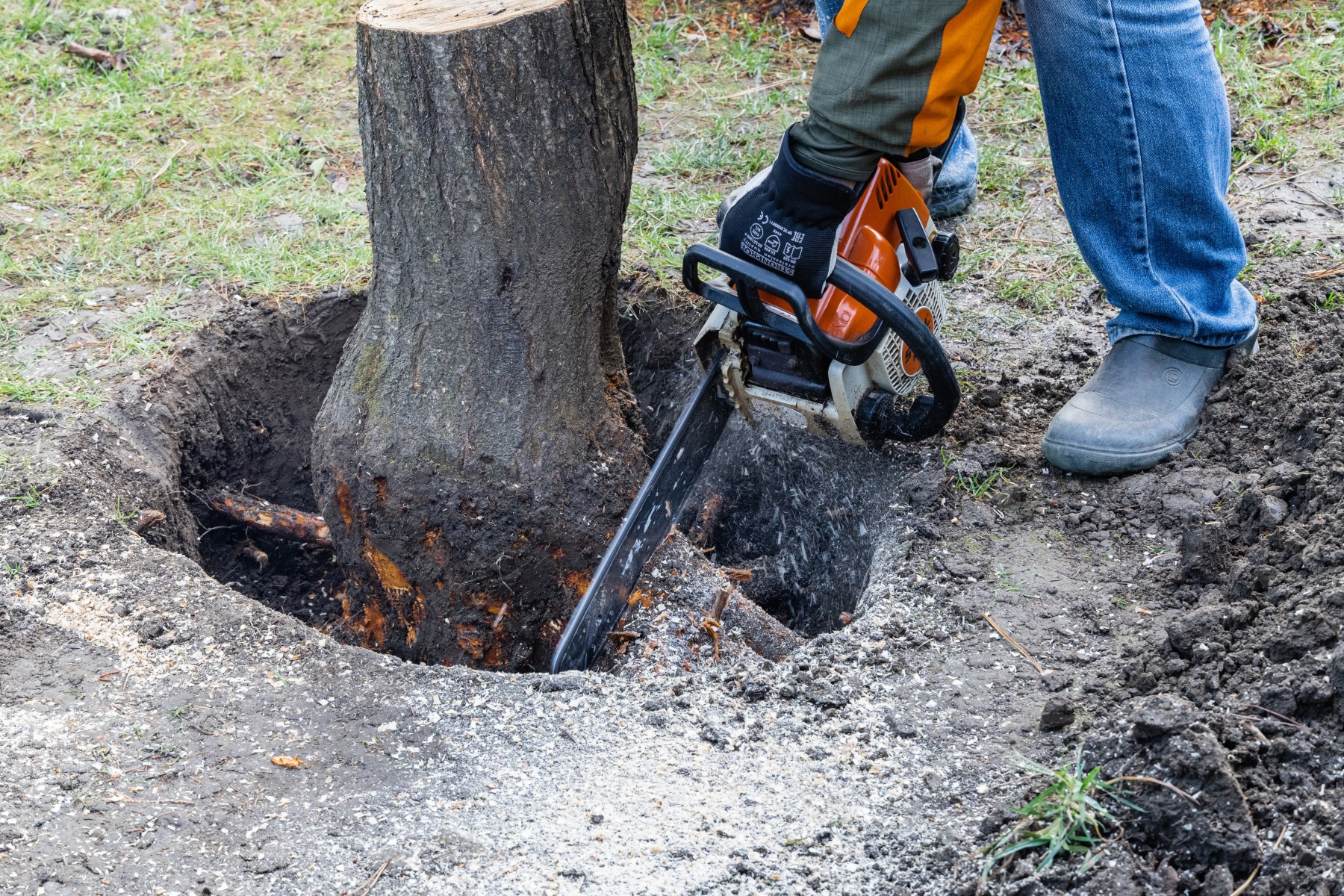
Wondering how soon after stump grinding can you plant is the top question we hear from Richmond homeowners. You’ve cleared that eyesore, and now you’re ready to fix your yard. But rushing can lead to weak growth or yellowing leaves.
In Richmond, Virginia, local soil and weather affect how fast your yard heals. Whether you’re laying sod or a new tree, there’s a science to planting after stump grinding.
This guide explains waiting times, the soil conditioning process, and how to help your new plants thrive.
When Is the Right Time to Plant After Stump Grinding?
The short answer is: it depends on what you are planting. If you are looking for the best time to replant after stump removal, you usually have two choices: immediate action with heavy soil modification or waiting 6 to 12 months for nature to take its course.
- For Grass: You can often reseed or sod within a few weeks, provided you remove the bulk of the stump grinding residue.
- For Small Shrubs: Waiting 3–6 months allows the soil to settle.
- For New Trees: It is best to wait a full year if you plan to plant in the exact same spot or plant at least 3–5 feet away from the old site immediately.
What Happens to Soil After a Stump Is Ground Down?
To understand when to plant after stump removal, you have to look beneath the surface. When a professional what is stump grinding service is completed, the machine leaves behind a mix of soil and wood chips.
Nitrogen Depletion
As tree root remnants and wood chips rot, bacteria consume nitrogen. This “nitrogen vacuum” starves new growth, making grass planting after stump grinding tricky without adding nutrients.
Soil Imbalance
The stump grinding residue changes the carbon-to-nitrogen ratio. If you plant immediately without treating the area, your new plants may turn yellow and struggle to grow because they are literally being starved of nutrients.
Key Factors That Affect Planting Time
Several variables influence how quickly you can get back to gardening in your Richmond yard:
- Tree Species: Hardwoods like oak take longer to break down than softer woods.
- The Richmond Climate: Our humid Virginia summers accelerate decomposition, while cold winters pause the process.
- Depth of Grinding: If the stump was ground deep (12+ inches), you have a better chance of successful replanting than a shallow grind.
- Soil Quality: Richmond’s clay-heavy soil can trap wood chips and slow down the landscaping soil preparation process.
How to Prepare the Ground for New Planting
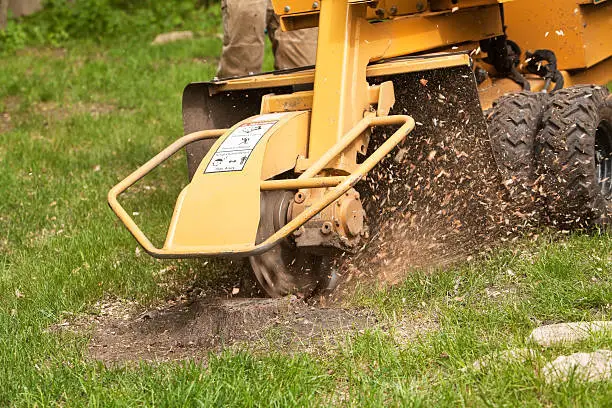
Success starts with thorough soil preparation after stump grinding. You can’t just throw seeds on a pile of wood chips and expect results.
- Remove Excess Debris: Shovel out as much of the wood chip and dirt mixture as possible.
- Add Organic Compost Mix: Fill the hole with a high-quality organic compost mix and topsoil to restore the nutrient balance.
- Soil Conditioning Process: Break up the surrounding soil to ensure tree root remnants aren’t forming an impenetrable barrier for new roots.
- Fertilizer Application Techniques: Use a high-nitrogen fertilizer to offset the nitrogen being used by the decomposing wood bits.
Best Plants and Grass Options for Freshly Cleared Areas
Deciding what to plant after tree removal is the fun part.
- Grass Reseeding: This is the most common lawn reseeding method. Ensure you pack the soil firmly so it doesn’t sink later.
- Perennials: Hardier flowers can handle the changing soil better than delicate annuals.
- Alternative Spots: If you are unsure about the soil, consider a raised garden bed over the site.
Before you decide on your new landscape design, make sure you understand the difference between stump grinding vs. stump removal: which is better? as it greatly impacts your planting depth.
Expert Tips to Boost Healthy Plant Growth
To improve soil after stump grinding, follow these professional stump grinding planting tips:
- Nitrogen Boost: Apply a slow-release nitrogen fertilizer every few weeks during the first growing season.
- Hydration: Wood chips can be hydrophobic (they repel water). Ensure you are deep-watering the area to reach the roots below.
- Patience: If you see mushrooms popping up, don’t worry! That is a sign that the wood is decomposing as it should.
Professional Help: Utilize yard restoration services to ensure the ground is leveled and the pH is balanced properly.
Frequent Ask Questions:
1. How long should I wait before planting after stump grinding?
For grass, wait 2–4 weeks after soil prep. For new trees in the exact same spot, wait 1 year.
2. Can I plant a tree in the same spot after grinding?
It is difficult due to the old root system. If you must, remove all old sawdust and replace the soil entirely. Otherwise, offset the new tree by a few feet.
3. Do I need to remove wood chips before planting?
Yes. Wood chips rob the soil of nitrogen. Remove the bulk of them and use them as mulch elsewhere in your garden.
4. Will the soil need treatment after stump grinding?
Almost certainly. You will likely need to add nitrogen-rich fertilizer and organic compost to restore the nutrient balance.
5. What can I plant after stump grinding?
Grass, shallow-rooted shrubs, and perennials are the most successful early choices to prepare a yard for new plants.
Conclusion
Restoring your landscape after a tree is gone takes a bit of strategy and patience. While you might be tempted to rush, following the proper landscaping soil preparation steps ensures that your new investment doesn’t wither away. By managing the nitrogen levels and clearing out the stump grinding residue, you can create a vibrant, healthy outdoor space once again. If you’re in the Richmond area and need a professional hand getting your yard ready, Timberbrute is here to help. From precision grinding to expert advice on restoration, we ensure your property is primed for its next chapter. Contact Timberbrute today for a free consultation and let us help you figure out how soon after stump grinding can you plant.